







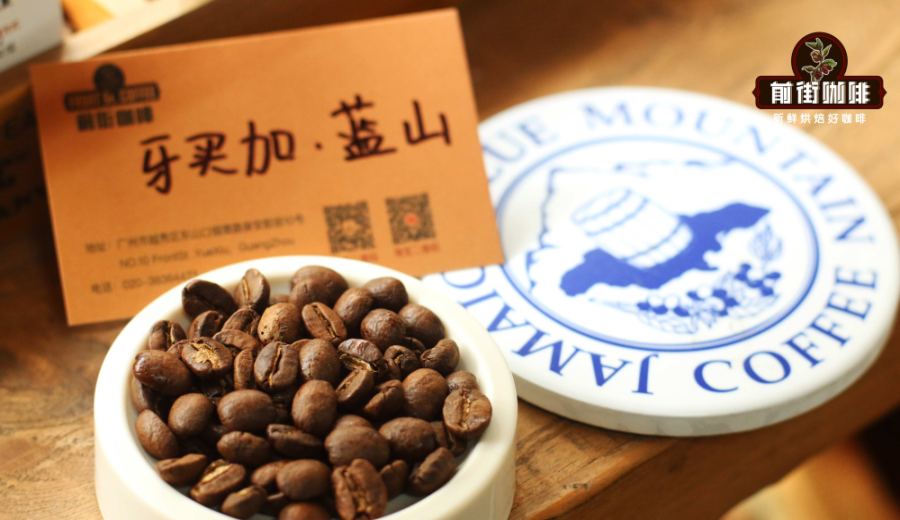
Introduction:Jamaican Blue Mountain coffee has long been hailed as one of the world’s most expensive specialty coffees, yet few truly understand the reasons behind its high price. This article provides a comprehensive analysis of the value of Blue Mountain coffee—from its origin in the growing region, historical evolution, brand protection, market changes, to pricing structure. It also offers professional pour over brewing recommendations and flavor descriptions, helping you grasp the essence of this legendary coffee from history to brewing.
When it comes to Jamaican Blue Mountain coffee, many people immediately think of “high price” and “myth.” But what exactly makes it so expensive? It’s not just because of the unique growing region—it’s also closely tied to historical background, institutional management, and global market supply and demand. This article starts with the origin of the growing region and introduces, in an easy-to-understand way, how Blue Mountain coffee became the symbol of premium quality today. It also analyzes the reasons behind its pricing, packaging features, market flow, and pour over brewing advice to help you fully understand this world-renowned specialty coffee.
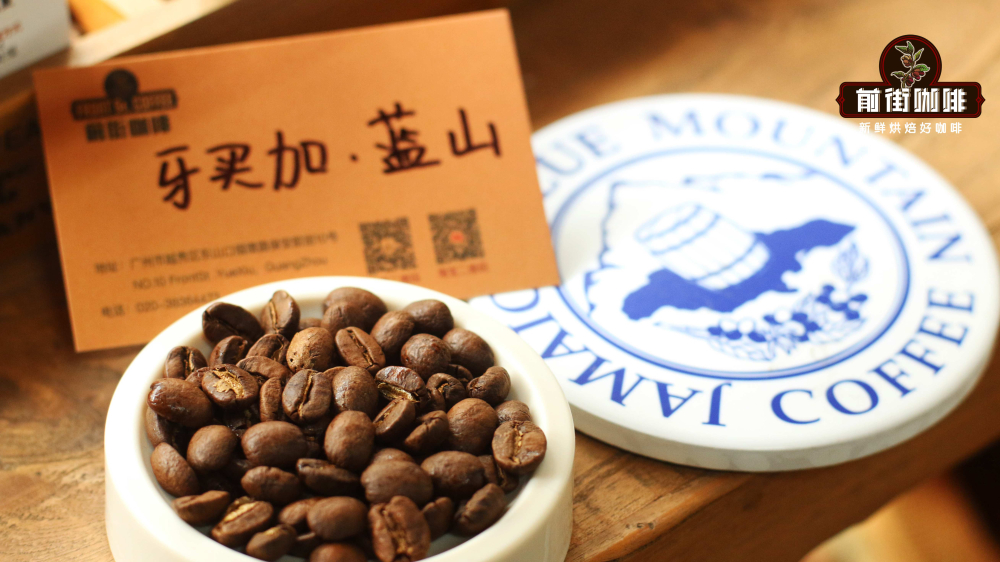
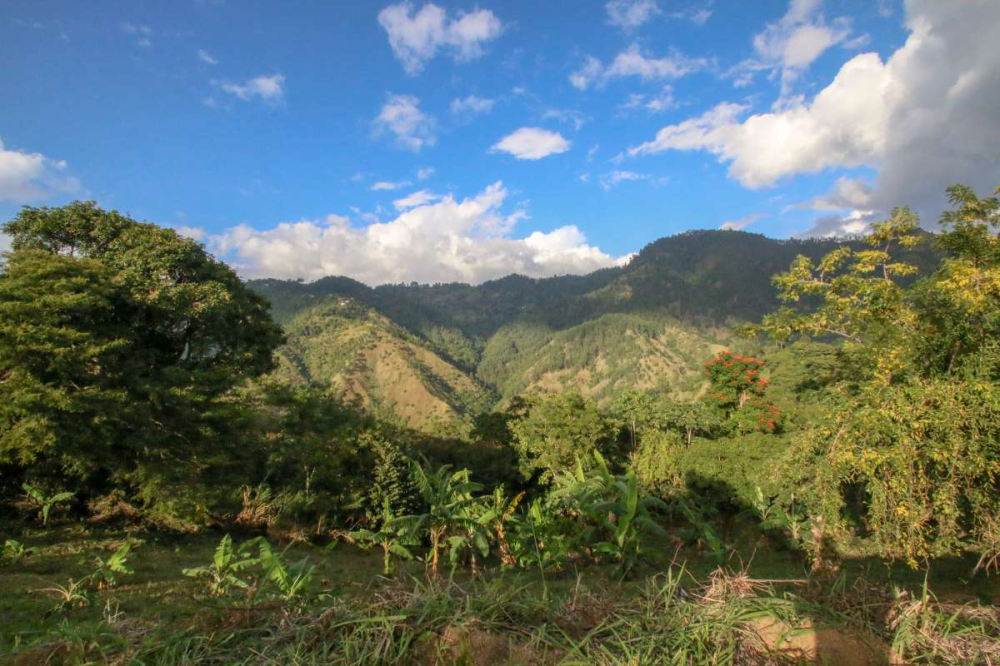
Although Blue Mountain coffee enjoys a strong reputation, many people have limited understanding of its true value and current market situation. Especially regarding why it is so expensive, various misunderstandings and myths often circulate. In fact, since the first batch of coffee seeds was introduced to Jamaica in the 18th century, this coffee was destined to be extraordinary. In 1728, Sir Nicholas Lawes, then Governor of Jamaica, imported the first Arabica coffee seeds from Hispaniola (now Haiti) and planted them on the high-altitude slopes of the Saint Andrew area. The motivation for planting at that time had nothing to do with economic gain but was aimed at developing the mountainous regions and consolidating colonial rule. Coupled with the high coffee taxes imposed by Britain at the time, coffee was only a niche crop locally.
The situation didn’t change until 1790, when the British government significantly reduced coffee taxes, leading to rapid growth in Jamaica’s coffee industry. Even during the War of 1812 to 1814 between Britain and the United States, coffee exports in 1814 still reached about 34 million pounds, marking a historic peak. Unfortunately, this was also the peak of Blue Mountain coffee exports, which has never been surpassed since. After the abolition of slavery in 1838, many former coffee-farming slaves left the plantations, leading to a reduction in production scale, lax management, and a significant decline in both quality and yield.
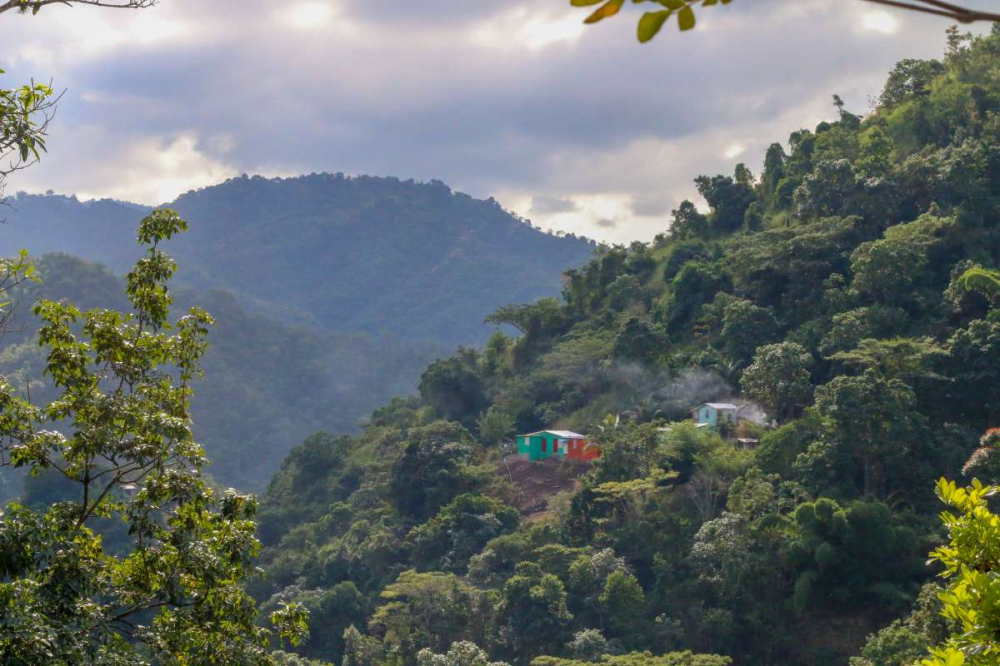
It wasn’t until 1948 that the Jamaican government established the Coffee Industry Board (CIB) to improve coffee quality and export performance. In 1952, it was upgraded to the Coffee Industry Board (CIB). In 1953, the CIB officially designated approximately 6,000 hectares of the Blue Mountain range, clearly stipulating that only coffee produced within this area could be labeled as “Blue Mountain coffee,” while coffee from other areas was referred to as “High Mountain coffee.” Although some High Mountain coffee boasts decent quality, it lacks strong brand appeal, and its production has been declining year by year.
In the 1980s, as the international fame of Blue Mountain coffee grew, the market began to see counterfeit products. To protect the authenticity of genuine products, the CIB registered the “Blue Mountain coffee” trademark between 1984 and 1985 and strictly controlled its usage rights—this is one of the most representative brand protection strategies in the coffee industry. However, in the early 1990s, a hurricane severely damaged the Blue Mountain growing region. Japanese traders quickly stepped in, not only providing financial aid but also securing priority purchasing rights, leading to high-quality Blue Mountain coffee being almost monopolized by the Japanese market, further driving up its international price. Currently, about 90% of Blue Mountain coffee is exported to Japan, and the pricing power is also in the hands of Japanese buyers.
Another major feature of Blue Mountain coffee is its unique wooden barrel packaging. Unlike common burlap sacks or cardboard boxes, Blue Mountain coffee is transported in wooden barrels with a capacity of about 70 kilograms. The design is inspired by the Bonifieur wooden barrels from Guadeloupe, originally used for transporting flour. These barrels usually bear the brand and manufacturer information, not only serving a protective function but also symbolizing the authenticity of the origin. In addition, the Jamaican government issues certificates and stamps certification seals upon export to ensure the genuine origin of each batch of Blue Mountain coffee. It’s worth noting that smaller wooden barrels of 15 kilograms and 30 kilograms are now also available to meet diverse market demands.
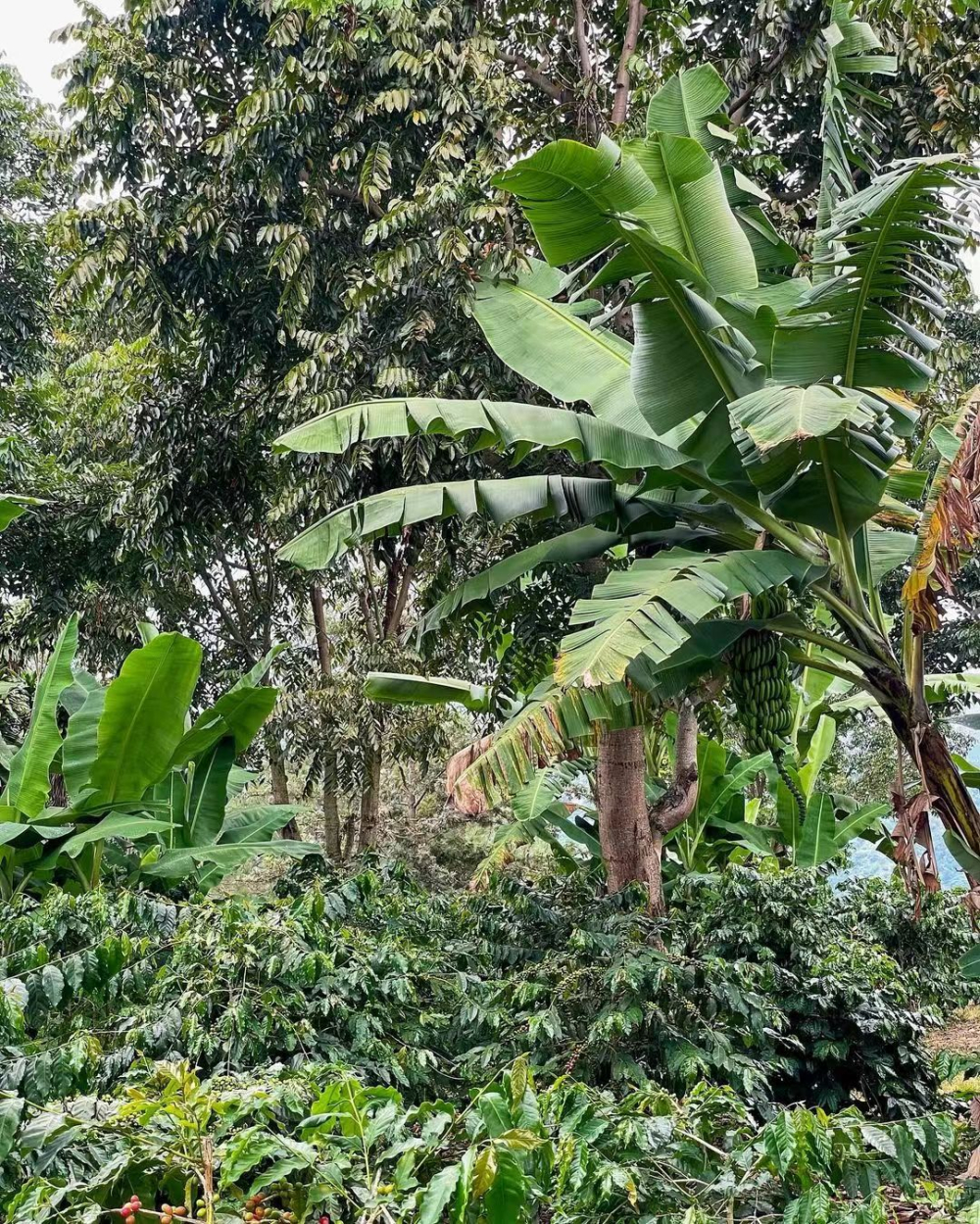
Regarding the market rumor that “there is no real Blue Mountain coffee in China,” it is actually outdated. Before 2010, mainland China indeed had no direct import quota for Blue Mountain coffee. However, after the Hangzhou Coffee and Western Food Industry Association signed a letter of intent with Jamaica in July 2010, the first batch of Blue Mountain green beans officially arrived at Ningbo Port in May 2011, marking the official entry of Blue Mountain coffee into the Chinese market. Despite increasing demand, the price gap between Blue Mountain green beans and roasted beans remains astonishing. For example, green beans on the market cost about 550 RMB per kilogram, but roasted beans are often sold at 300–400 RMB per 100 grams, mainly due to roasting evaporation losses and brand premium. Understanding the cost of green beans can help one view retail prices more objectively.
So, what does Blue Mountain coffee actually taste like? It is recommended to brew it using the pour over method to fully showcase its delicate layers. The optimal flavor profile typically emerges during the 4–7 day resting period after roasting. It is advised to choose freshly roasted beans and brew them as soon as possible after receiving them. For equipment, the Kono filter cone can effectively bring out the rich and sweet characteristics of Blue Mountain coffee. Recommended parameters are as follows: 15 grams of coffee grounds, medium-coarse grind (approximately 75% through a #20 sieve), a 1:15 coffee-to-water ratio, and water temperature controlled at 87°C. The pour over technique is suggested to be a three-stage pour: the first stage involves pouring 30 milliliters for a 30-second bloom; the second stage is a circular pour of 100 milliliters; and the final stage is a top-up pour of 95 milliliters as the water level drops, with a total extraction time of about 2 minutes.
After brewing, Blue Mountain coffee demonstrates an excellent balance of acidity, sweetness, and bitterness, with a rich and smooth creamy mouthfeel, accompanied by distinct notes of nuts and chocolate. It is a premium coffee with a complex flavor profile and a long-lasting aftertaste. Whether you’re a coffee novice or a seasoned enthusiast, you can experience the unique charm of Blue Mountain coffee.
The above content is compiled by CoffeeHunters, a coffee news website.


