








Introduction:Many coffee enthusiasts prefer to order pre-ground coffee from cafés to avoid the hassle of grinding it themselves. But did you know? Once coffee is ground, its aroma and flavor deteriorate rapidly, which can even compromise the overall brewing experience. This article explores the coffee’s shelf life, delves into the differences in flavor between freshly ground and pre-ground coffee, and through practical observations, illustrates how coffee grounds perform at different time intervals. Finally, we offer practical storage tips to help you make smarter purchasing decisions.
Many coffee lovers, aiming to save time and effort, often opt to buy coffee that has already been ground by retailers. While this does eliminate the need to adjust grinder settings or manually grind beans, do you know that once coffee beans are ground, their surface area exposed to air increases significantly? As a result, volatile aromatic compounds quickly dissipate, not only affecting the aroma but also causing the flavor to decline rapidly.
Based on practical observations, if stored in a well-sealed container, coffee grounds can generally maintain a certain level of flavor for about three weeks. However, after one month, most will only retain a dull, generic “coffee taste,” losing the original complexity and refinement. Next, we’ll start with the concept of coffee bean shelf life, gradually analyze the flavor changes after grinding, and provide some useful preservation techniques. This way, you can decide whether to choose freshly roasted beans or pre-ground coffee based on your own needs.
When we talk about a coffee’s “shelf life” or optimal flavor window, we’re referring to the period during which it can present the richest flavors and aromas in its best condition. During the roasting process, coffee beans expand internally due to high temperatures, producing large amounts of carbon dioxide and aromatic compounds. These carbon dioxide gases not only slow down the evaporation of aromas but also influence water penetration during brewing—especially in the first few days when the release rate is the fastest. Around 4 to 7 days after roasting, approximately 60% to 70% of the carbon dioxide is released, which is also when the so-called “bloom” phase is most likely to produce beautiful crema.
As time goes on, the internal gases in the beans gradually decrease, and the release rate slows. Typically, between 30 to 45 days after roasting, coffee beans enter their peak flavor period. During this time, carbon dioxide is released steadily, and the balance between aroma and taste reaches a better equilibrium. Of course, besides the roast date, storage conditions are equally crucial. It’s recommended to store coffee beans in a cool, dry, dark place, sealed tightly, and to minimize the number of times the package is opened to prevent moisture and oxygen from accelerating flavor loss. Additionally, although some may consider refrigerating coffee beans, the condensation caused by temperature fluctuations can easily cause the beans to become damp, negatively impacting the final extraction. Therefore, this method is not recommended.

So, how long can ground coffee be preserved once the beans are ground? The answer is: far less than whole beans. This is because grinding disrupts the originally dense structure of the coffee beans, greatly increasing the surface area exposed to air. The once-trapped carbon dioxide and volatile aromatic substances are then rapidly lost. Studies show that even under well-sealed conditions, the flavor of ground coffee diminishes noticeably over time.
To better understand the flavor changes after grinding, an experiment was conducted: using coffee beans from the same roast batch, brew tests were carried out on the 14th, 21st, and 30th days after grinding. The experiment found that, under strict control of the number of openings and proper sealing, coffee grounds still retained relatively good flavor within three weeks of grinding—but there was a noticeable difference compared to freshly ground coffee. Once past one month, the aroma almost completely disappeared, leaving only a basic “coffee taste,” devoid of layers and details.
Therefore, if you purchase a large quantity of pre-ground coffee at once, it’s recommended to divide it into multiple airtight containers or resealable bags, taking out only the amount you plan to use soon. This reduces flavor loss caused by repeated opening. In addition,pay attention to the storage environment’s temperature and humidity, avoid direct sunlight and humid air, to effectively extend the usable lifespan of the coffee grounds.
To more intuitively observe the flavor changes in coffee grounds over time, we also conducted a continuous observation experiment: using a pack of washed Yirgacheffe with a roast date of December 29, 2024, we brewed samples at various time points after grinding, recording changes in aroma and taste.
Immediately after grinding, the coffee grounds exhibited a rich dry aroma, including distinct white floral notes, citrus fruitiness, and honey-like sweetness. During the bloom phase, the grounds produced good expansion with continuous bubbling. The resulting brew had clear flavors, featuring fresh orange peel, lemon, pears, and plum acidity. As the temperature dropped, notes of sunflower seeds, caramel, and green tea appeared in the aftertaste. The acidity was bright and layered.
By the first day after grinding, while citrus and lemon peel aromas remained, the overall floral notes had noticeably weakened, accompanied by slight nutty and milk candy undertones. Brewing still produced abundant bubbles, with flavors dominated by sweet orange, grapefruit, and a tea-like profile. The acidity remained lively with a pronounced sweetness.
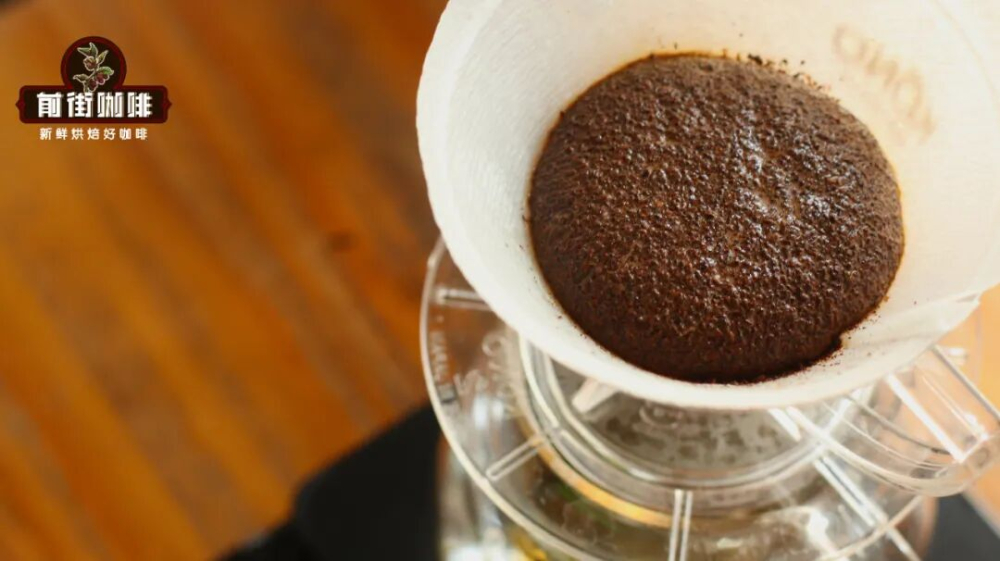
On the second day after grinding, the dry aroma further faded, mainly retaining a light citrus scent. There was no longer significant expansion during the bloom phase, and fewer bubbles formed. The flavor was primarily citrus and grapefruit acidity with some sweetness. The overall tone was similar to the previous day, but with a slight added caramel note upon tasting, and a green tea aftertaste.
By the third day, the dry aroma shifted to a mix of honey, citrus, and nuts. Bubbles during blooming and extraction noticeably decreased. The flavor was dominated by grapefruit and lemon, with acidity less vibrant than before. The caramel note became more prominent, and the overall profile trended toward flatness, losing the vibrancy and complexity of the freshly ground coffee.
From this, it’s evident that once coffee is ground, not only does its aroma deteriorate more rapidly over time, but it also affects the overall brewing performance and flavor profile. Especially for medium to light roasted coffees that emphasize fruity and floral notes, many delicate aromatic compounds are lost within just a few hours of grinding. If you particularly value bright, refreshing fruit acids and floral aromas, it’s recommended to equip yourself with a suitable grinder and grind your coffee right before brewing—only then can you truly experience the original charm of coffee.

The above content is compiled by CoffeeHunters, a coffee news website.


