







Introduction:Many people believe that pour over enthusiasts look down on drip bags, or that drip bag users don’t understand pour over. In reality, the two share the same fundamentals, differing only in convenience and operation. This article delves into the similarities and differences between drip bags and pour over coffee—from equipment preparation, brewing principles, flavor profiles to the correct brewing methods—to help you choose the coffee format that best fits your lifestyle and taste preferences.
It’s often said that those who enjoy pour over won’t touch drip bags, or that drip bag drinkers know nothing about pour over. In truth, this notion is inaccurate. Drip bag coffee is essentially a simplified form of pour over, with nearly identical extraction principles—the main differences lie in equipment setup, steps, and ease of use. This article will explore the distinctions from multiple angles, guide you through the correct way to brew drip bags, and help you select the coffee experience that suits you best.
Some think pour over lovers wouldn’t opt for drip bags, while others assume drip bag users know nothing about pour over—these ideas simply don’t hold up. In fact, among regulars at many coffee shops, there are plenty of customers who buy both pour over beans and drip bags. Drip bag coffee is just a more portable, everyday-friendly version of pour over.
What is pour over coffee?
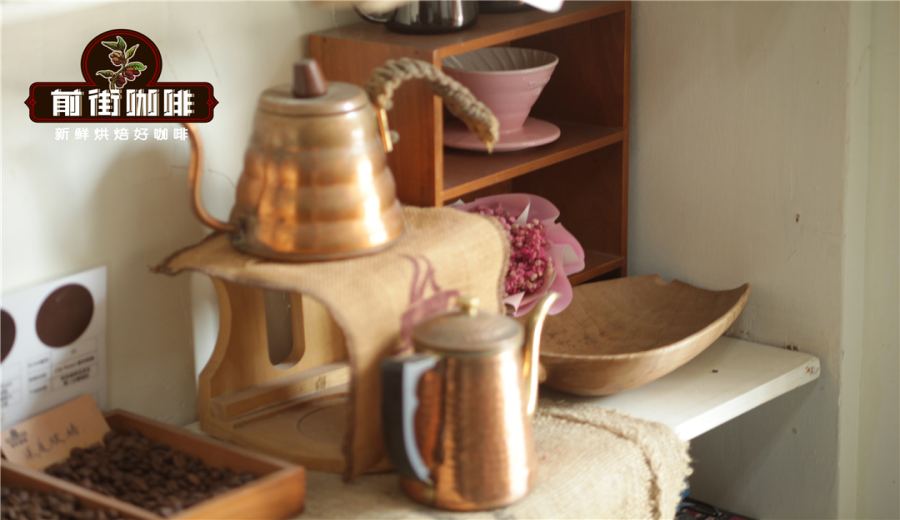
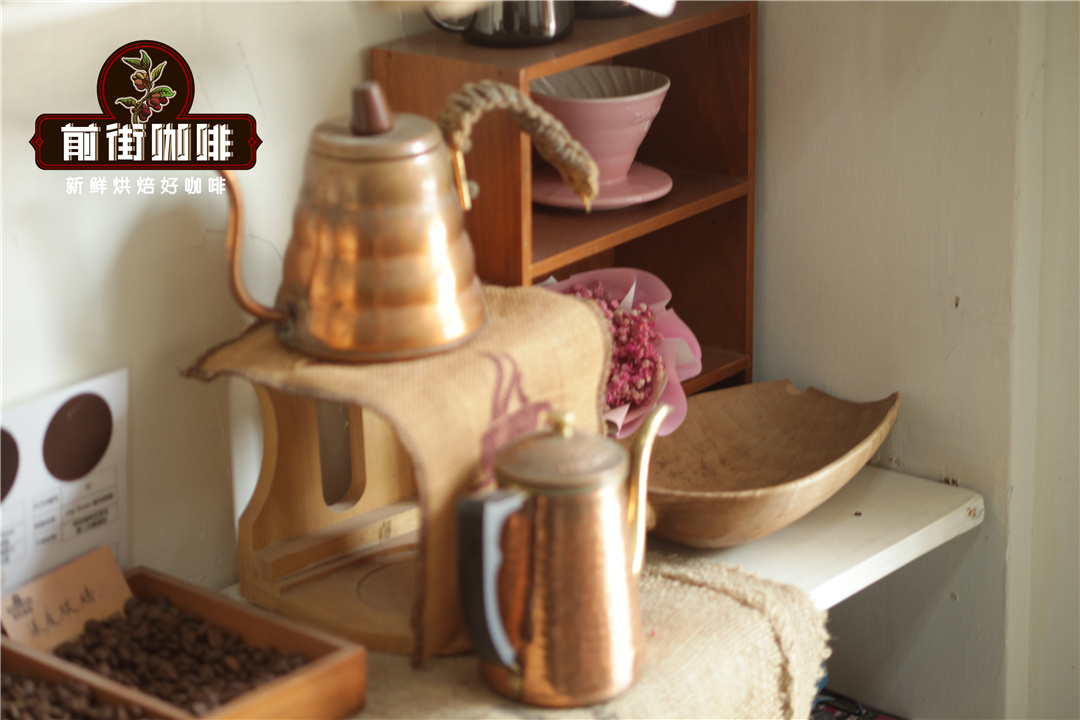
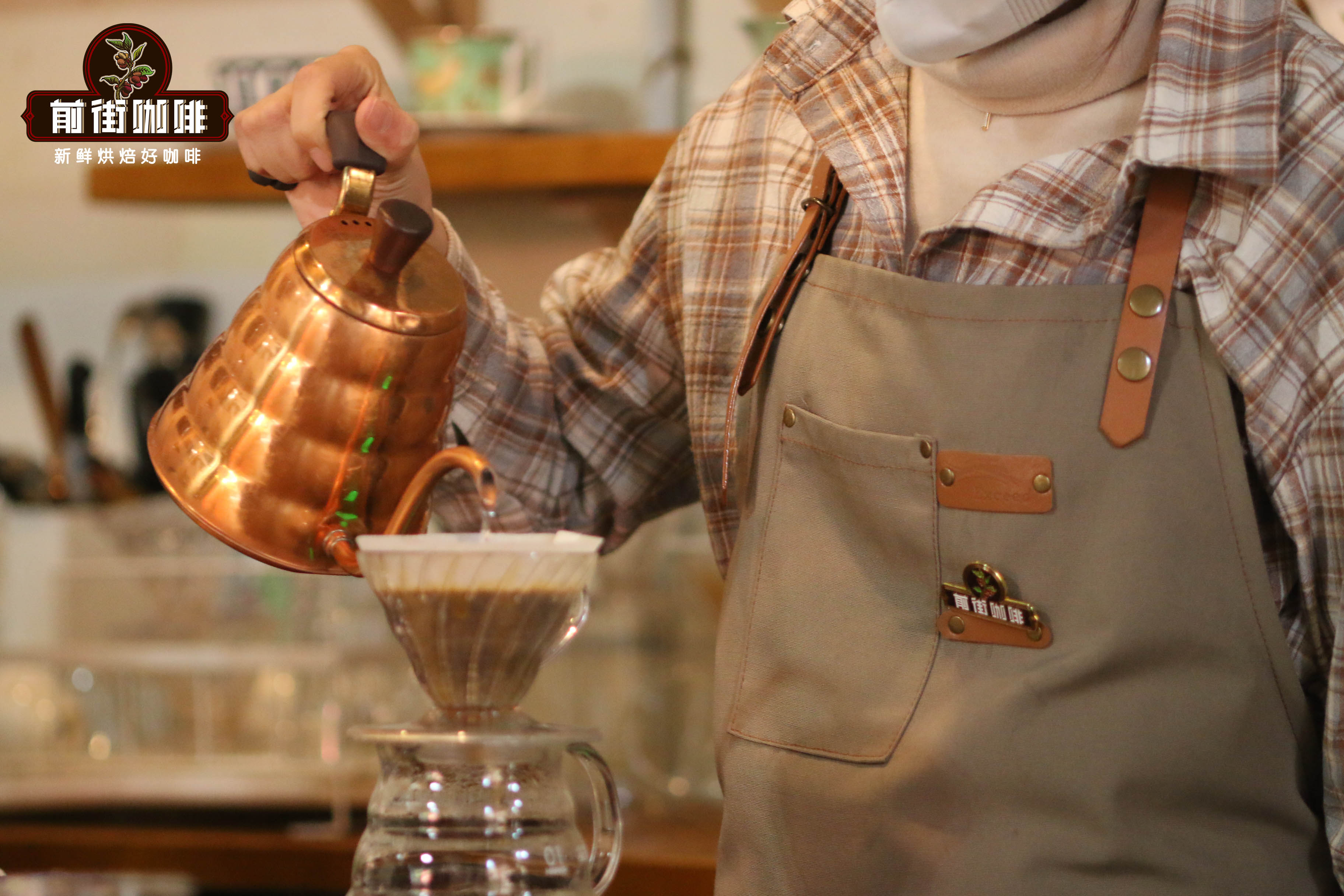
Pour over coffee emphasizes precision and subtlety. From bean selection and grinding to weighing, controlling water temperature, flow rate, and pouring time—each step directly impacts the final flavor. Typically, you’ll need a filter cone, paper filters, a scale, a pour over kettle, and a grinder, using steady pouring techniques to extract the layers and nuances of the coffee. This brewing method isn’t just about making a drink; it’s a ritual that values process and sensory experience.
The charm of pour over lies in its ability to vividly showcase the origin characteristics of the coffee beans—such as bright acidity, floral notes, or rich sweetness. However, due to its many steps, the learning curve is steeper for beginners, requiring practice and experience.
What is drip bag coffee?
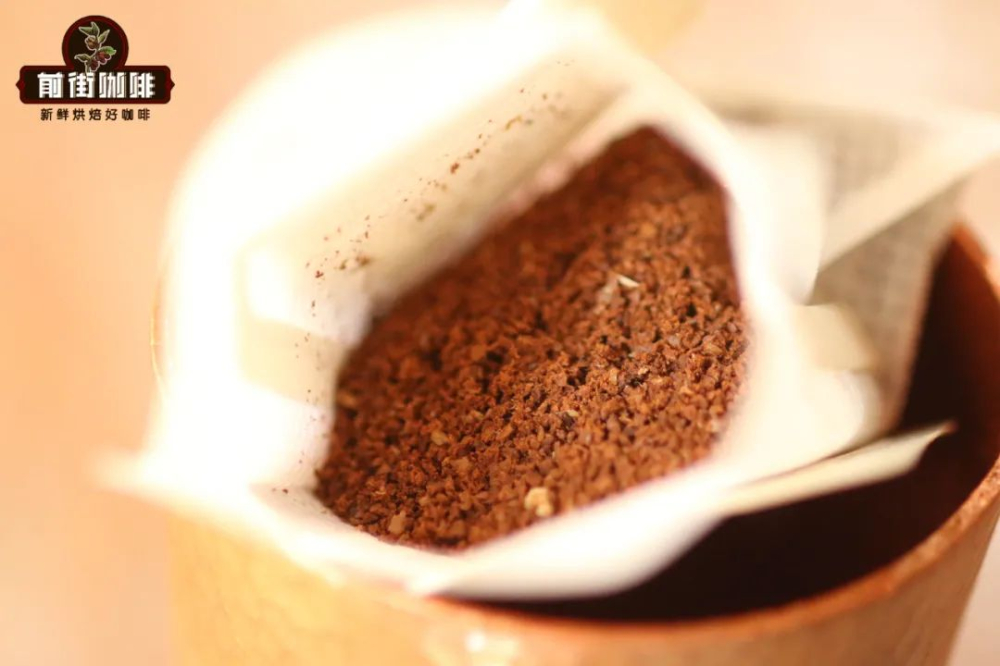
Drip bag coffee is designed for those who enjoy pour over flavors but don’t want to spend too much time or effort. It contains pre-ground coffee packed in a filter bag with built-in paper filters—just add hot water and a cup, and you’re good to go. This method eliminates the hassle of grinding, weighing, and manual pouring, making coffee drinking more convenient for busy daily life or on-the-go moments.
While drip bags excel in convenience, their pre-ground nature means greater surface area exposed to air, leading to faster aroma loss and a shorter optimal freshness window. Additionally, their flavor complexity may slightly lag behind freshly brewed pour over, but they still deliver the core traits of coffee—acidity, sweetness, and body.
Equipment Differences: Pour Over vs. Drip Bag
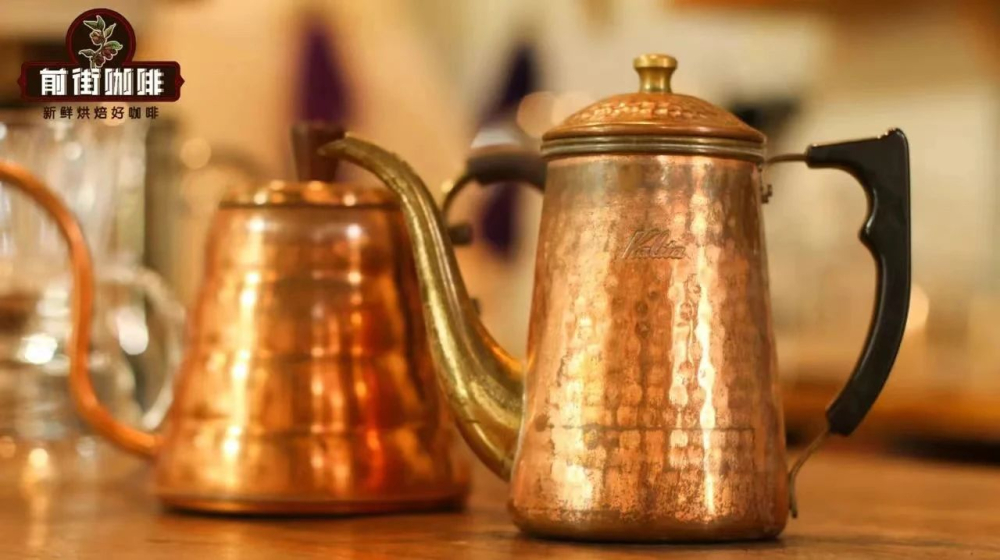
Pour over requires a more diverse setup, including a pour over kettle, filter cone, paper filters, grinder, scale, thermometer, and sometimes a sieve or server to precisely control grind size and extraction ratio. Each piece of equipment plays a role—for example, the kettle’s spout design affects pouring stability and flow rate, while the cone’s material and shape influence flow speed and extraction efficiency.
In contrast, drip bags need only the bag itself, hot water, and a cup—the simplest brewing form. Though it offers less adjustability, it’s sufficient for those prioritizing convenience and consistent flavor.
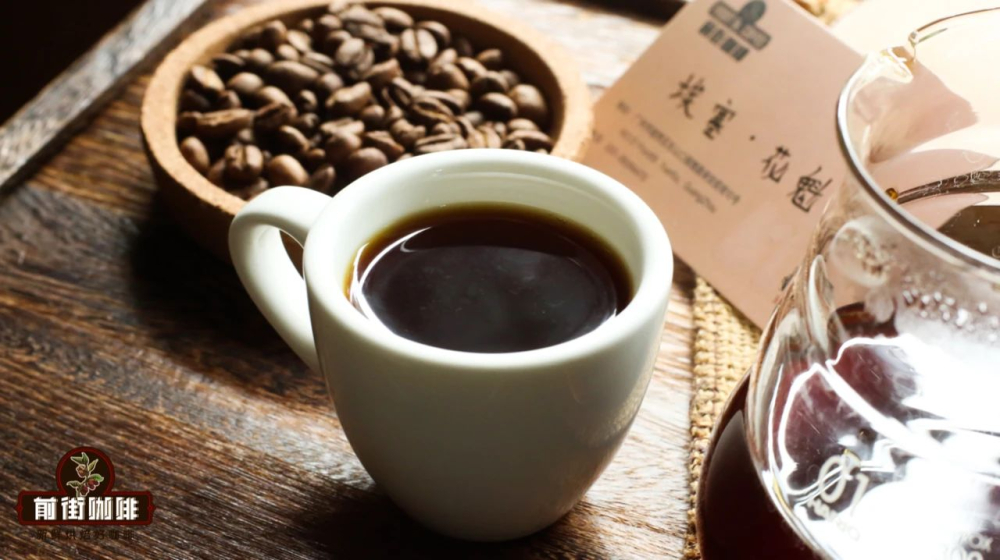
Essential Equipment for Pour Over
If you choose pour over, consider these tools: a pour over kettle (a narrow-spout design helps control flow), a filter cone (common shapes include fan, cone, and wave, each affecting flow and taste), paper filters (bleached or unbleached), a grinder (flat burr, conical burr, or disc burr are the main types), a scale (preferably with physical buttons, around 80–100 yuan), a thermometer (for precise water temperature), and optionally a sieve or server (for sharing).
Simplified Setup for Drip Bags
Drip bags require nothing more than the bag, hot water, and any available cup—no extra gear needed. For better flavor, use quality hot water and a ceramic or glass cup to minimize unwanted odors and fully appreciate the coffee’s natural profile.
Key Differences: Drip Bag vs. Pour Over
In summary, the main distinctions are: pour over requires multiple tools and has a steeper learning curve, while drip bags streamline the process and are portable; pour over can be done in about 2 minutes, drip bags take roughly 4; also, drip bags lose aroma faster due to pre-ground coffee, so they’re best enjoyed soon after opening.
How to Brew Drip Bag Coffee Correctly?
Brewing drip bag coffee seems simple, but a few key steps matter. First, warm your cup to slow cooling and preserve flavor layers. Then, set the water temperature between85–90°C—too high risks bitterness, too low lacks flavor. Hang the drip bag on the cup rim, then pre-wet the grounds (about 20 seconds) to let them absorb water. Adjust this to 40 seconds if you prefer a stronger taste.
For the main pour, use a thin, steady stream, aiming for a total yield of150–180ccto avoid over-extraction or thinness. Maintain a stable flow rate and height to evenly draw out the coffee’s layered flavors.
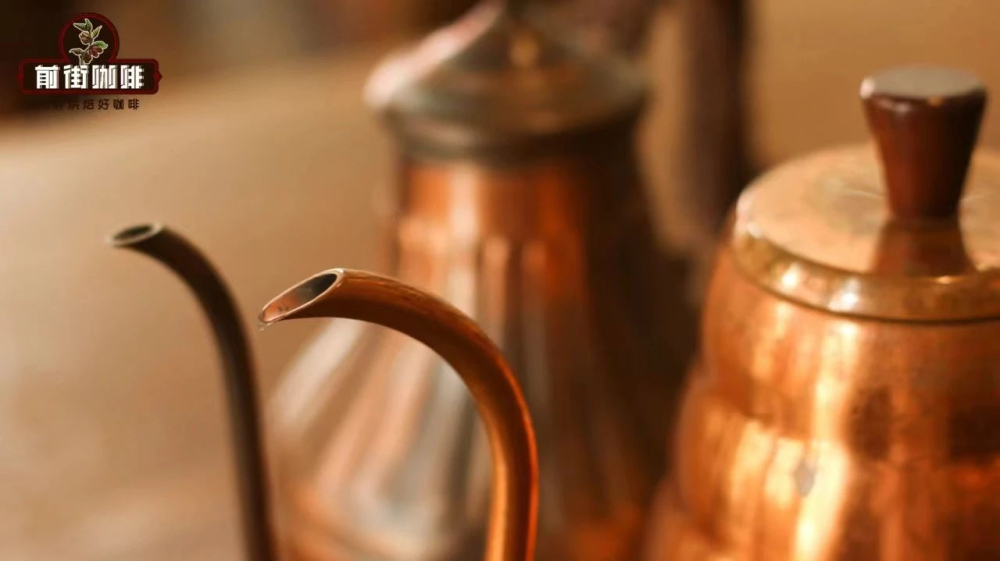
Drip Bag Brewing Tips
Don’t reuse a drip bag, and avoid steeping the grounds too long to prevent over-extraction and bitterness. Also, never brew an unopened drip bag directly in the cup—rapid temperature drop harms extraction and flavor.
Master these points, and even with a drip bag, you can enjoy pour over-like refinement. Choose your preferred profile—floral-fruity acidity, rich body, or balanced sweet-tart—and savor your perfect coffee moment.
The above content is compiled by CoffeeHunters, a coffee news website.


