








Introduction:The Moka pot is one of the top choices for many home coffee enthusiasts. Although it cannot fully replicate the high-pressure extraction of a professional espresso machine, with the right operation and attention to detail, it can still brew a rich and aromatic cup of coffee. This article will provide an in-depth look at the history, basic structure, safe operation procedures, common issues, and how to choose the right coffee beans based on your flavor preferences — so you can easily enjoy high-quality espresso-style coffee at home.
Want to enjoy a rich and bold cup of coffee at home without spending a fortune on an expensive professional machine? The Moka pot is an economical and easy-to-use option. While it may not achieve the extraction pressure of a professional-grade espresso machine, it can still produce a cup with a strong flavor — especially ideal for coffee lovers who enjoy espresso-style coffee but have a limited budget.
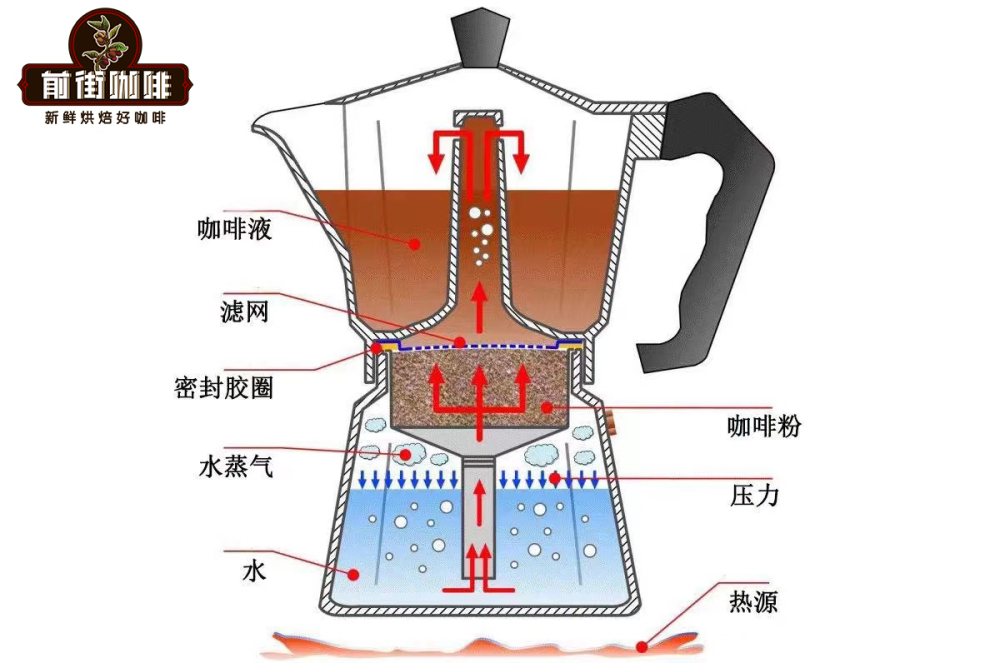
The Moka pot was first created in Italy in the 1930s by aluminum product craftsman Alfonso Bialetti. It’s said that he drew inspiration from the workings of a household washing machine and designed this classic device that combines heating water in the lower chamber, placing finely ground coffee in the middle filter basket, and collecting the extracted coffee in the upper chamber. Its simple yet ingenious three-tier structure — water in the bottom, coffee grounds in the middle, and brewed coffee in the top — remains a staple on many family coffee tables to this day.

The basic working principle of the Moka pot involves heating the water in the lower chamber until it turns into steam, which then creates pressure within the sealed space. This pressure forces the hot water through the coffee grounds packed in the middle basket along a central metal tube, pushing the brewed coffee up into the upper chamber. Though the pressure is only about 1.5 bar — far less than the 9+ bar of a professional machine — with proper control, it can still produce a distinctly flavorful, rich coffee.
Next, let’s take a deeper dive into how to correctly use a Moka pot — covering everything from preparation to brewing, and every safety detail in between.
First comes the water filling step. Add an appropriate amount of hot water to the lower chamber. It’s recommended to use fresh cold or room temperature water, but remember that the water levelmust never exceed 0.5 cm below the pressure relief valve, to avoid steam or hot water directly entering the upper chamber and affecting the taste of the coffee, or even causing safety hazards.
The next step is filling the coffee grounds. Evenly pour finely ground coffee into the middle basket and gently level it — do not tamp it down. Over-tamping can restrict water flow and affect extraction evenness. Here, it’s recommended to use a medium-fine grind specifically designed for Moka pots, roughly the same coarseness as white sugar, or you can adjust according to commercially available “Moka pot grind” settings.
Place the coffee-filled basket back into the lower chamber, then securely screw the upper and lower parts together to ensure a good seal — a crucial step for generating sufficient extraction pressure. You can then begin heating. It’s recommended to use low to medium heat and place the Moka pot on a stable heat source, such as a gas stove or induction cooker. When you hear a “hissing” sound and see coffee beginning to drip from the upper chamber, you should turn off the heat to prevent over-extraction, which can lead to bitterness or excessive burnt flavors.
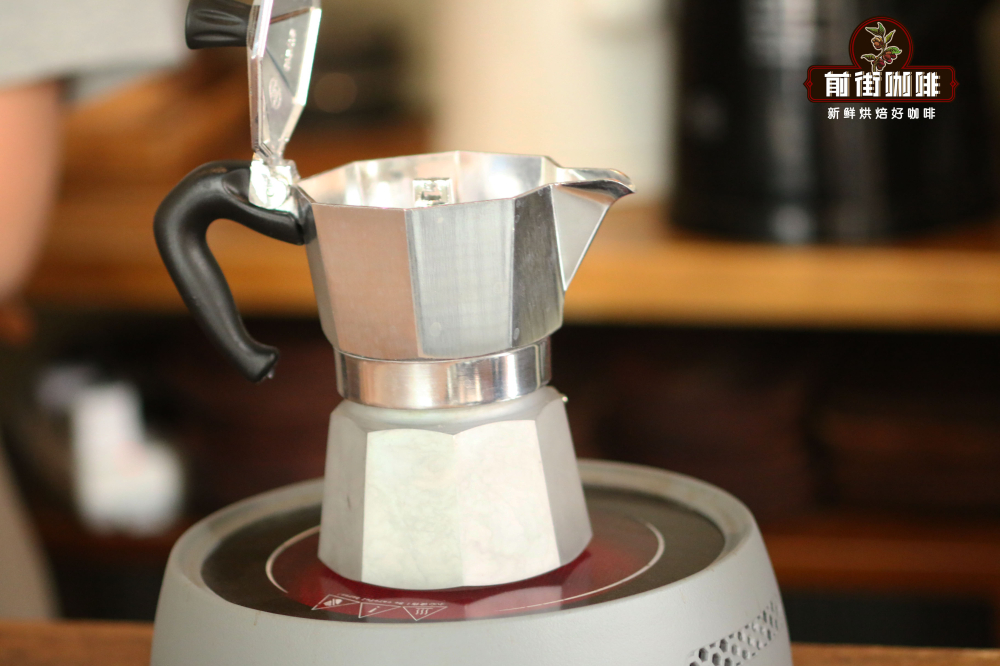
There are several important safety details to keep in mind when using a Moka pot. Because pressure builds up inside, improper operation can cause hot water to spray or steam burns. Therefore, never leave the Moka pot unattended while heating, and it’s best to use low to medium heat for steady brewing. If you notice the coffee flowing out too quickly, it might be due to the grind being too coarse, leading to fast water flow and under-extraction. On the other hand, if you hear the “hissing” sound but no coffee is coming out, the grind may be too fine or the coffee may be tamped too tightly. In this case, stop heating immediately to prevent excessive pressure and potential danger.
As for the choice of coffee beans, it also greatly impacts the final flavor. If you’re aiming for a rich crema and full-bodied taste, it’s recommended to choosemedium to dark roastedespresso blends. These beans typically have rich notes of chocolate, caramel, and nuts, which complement the characteristics of the Moka pot well. If you prefer a spicier profile with woody depth, you might try single-origin dark roasted beans such as Golden Mandheling. For a more balanced flavor and better value, many brands’ basic espresso blends are also great options. Additionally, for those who want to avoid too much bitterness but still enjoy fruity floral notes, blends with prominent fruitiness can be a good pick.
Finally, many people wonder: “Can coffee made with a Moka pot be considered espresso?” The answer is: although the appearance and extraction method are similar,technically it cannot be fully equated to professional espresso. The main difference lies in extraction pressure — a Moka pot only generates about 1.5 bar, whereas true espresso requires 9 bar or more. This makes the latter richer in texture, with more abundant and persistent crema. Moreover, the metal filter in a Moka pot has larger holes, so the coffee grounds need to be coarser, which also affects the fineness and layering of the final extraction. Therefore, coffee brewed with a Moka pot is closer to a “characterful strong coffee” with espresso-like qualities, rather than standard espresso.
The above content is compiled by CoffeeHunters, a coffee news website.


