







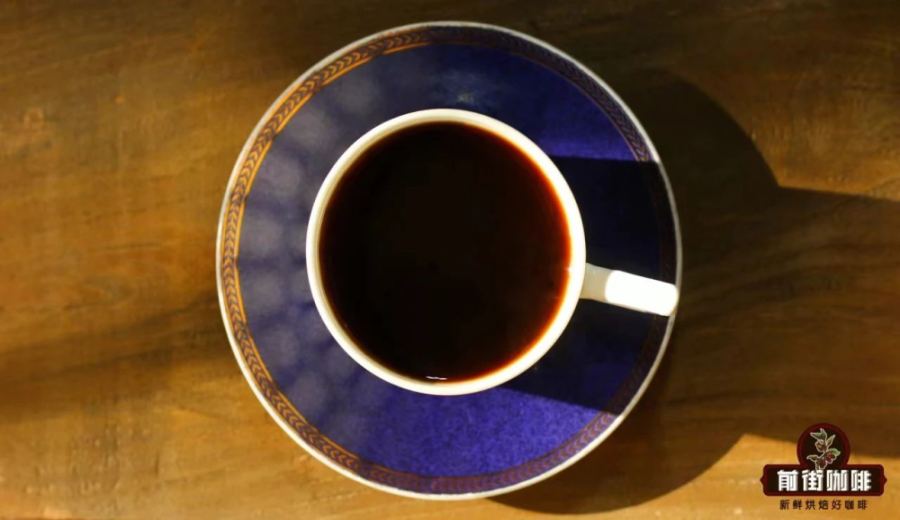
Introduction:Jamaican Blue Mountain No. 1 is hailed as the "Emperor of Coffees," renowned for its balanced acidity, sweetness, and bitterness, along with its rich and mellow flavor. Brewing it with a siphon pot not only highlights its delicate layers but also offers visual enjoyment. This article delves into the origin grade, roasting recommendations, and detailed siphon brewing process of Blue Mountain No. 1, guiding you step-by-step to recreate this classic coffee’s unique flavor at home, while also unraveling the special connection between Blue Mountain and the Japanese market.
When it comes to Jamaican Blue Mountain No. 1, many coffee enthusiasts immediately think of its classic flavor profile—perfectly balanced acidity, sweetness, and bitterness, with a rich and well-layered mouthfeel. Known as the "Emperor of Coffees," this bean can be replicated at home with a similarly impressive result if brewed with a siphon pot, a practical and visually captivating brewing method. This article will break down everything from the origin background and grade classification of Blue Mountain No. 1, to the CIB-recommended roast level, and provide a detailed walkthrough of the siphon brewing process, supplemented with practical tips to help you successfully extract a cup of Blue Mountain coffee that is aromatic and clearly layered.
The hallmark of Jamaican Blue Mountain No. 1 lies in its balanced flavor, smooth mouthfeel, and long-lasting aftertaste. To authentically recreate such qualities, choosing the right brewing method is crucial. Immersion-based methods are recommended, such as the siphon pot, French press, or clever dripper. Among these, the siphon pot allows control over water temperature and brew time, and also presents a dramatic brewing spectacle. In this guide, we’ll use the strikingly designed siphon pot to walk you through hands-on brewing and experience the charm of this top-tier coffee.
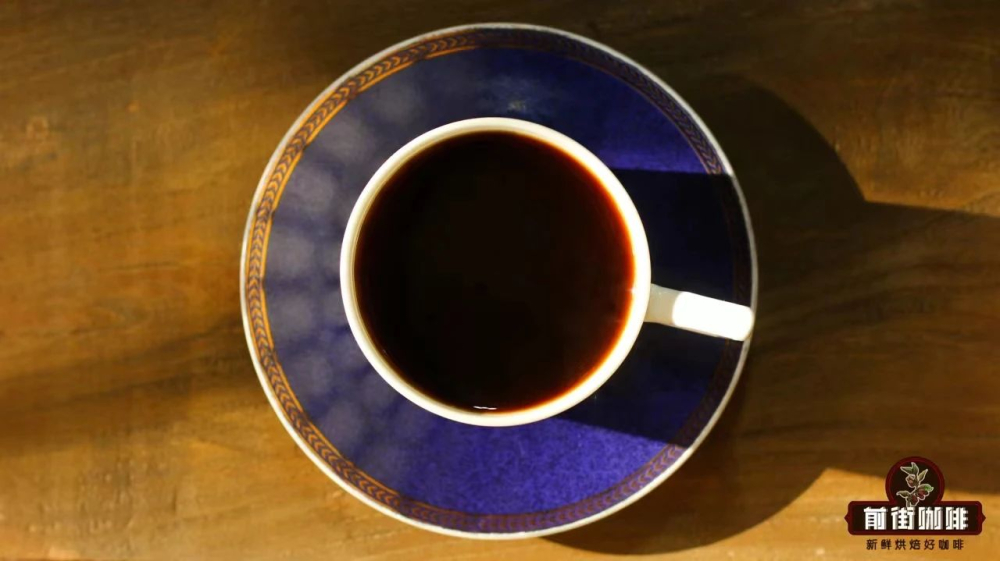
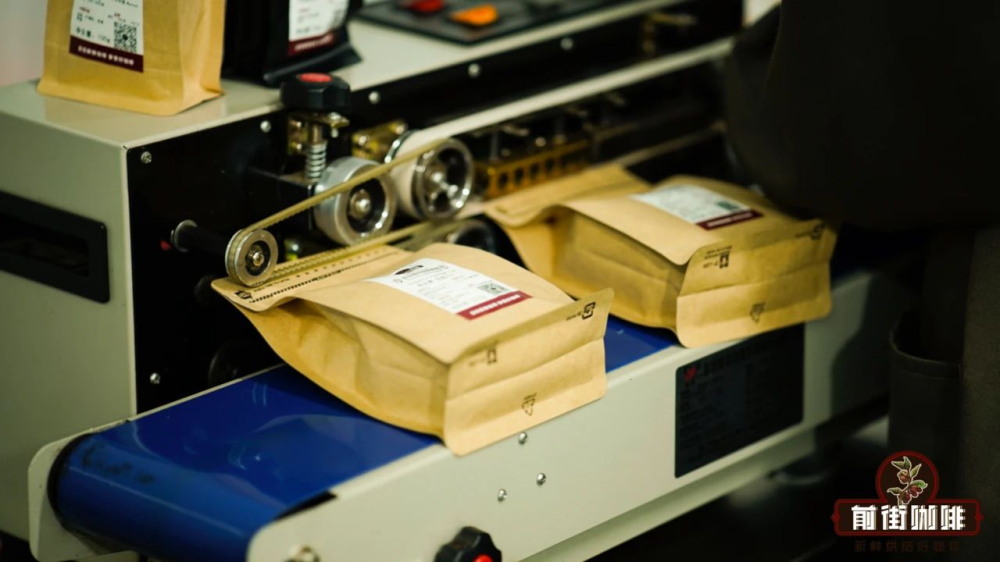
Regardless of the brewing method chosen, the freshness of the beans is key to flavor. It’s advised to use beans that have been recently roasted, as coffee needs about 4 to 7 days of degassing time after roasting to reach its optimal flavor window—when CO₂ has dissipated and the flavors are fully expressed. Many specialty shops carefully control the time between roasting and shipping to ensure customers receive beans at peak flavor.
The exclusivity of Jamaican Blue Mountain No. 1 is inseparable from its strict grading system. First and foremost, only coffee beans grown at elevations of approximately 910 to 1,700 meters within the Blue Mountain region, and of the Typica variety, qualify as authentic Jamaican Blue Mountain coffee. Although the Typica variety exhibits excellent flavor potential under high-altitude conditions, it is relatively low-yielding and susceptible to disease. Coupled with the rugged terrain of the Blue Mountains and challenging harvesting conditions, this results in extremely limited production—globally, only about 900 tons of Blue Mountain coffee are circulated each year, and even fewer qualify as “Blue Mountain No. 1.”
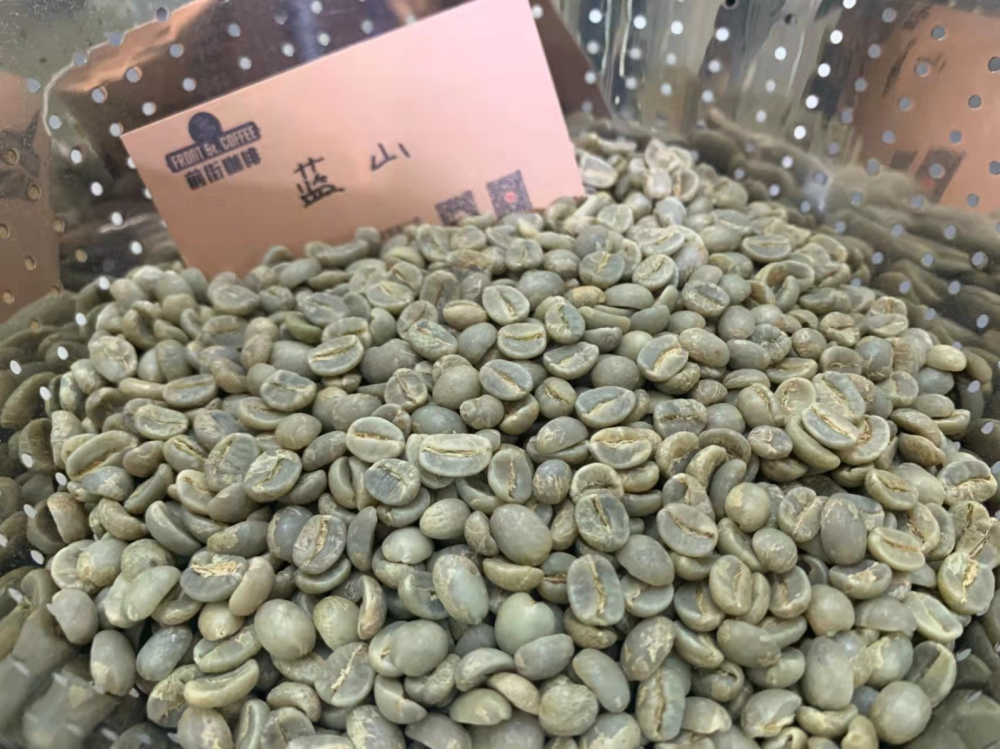
Blue Mountain coffee grades are primarily determined based on bean size, defect rate, moisture content, and cupping performance. The Jamaica Coffee Industry Board (CIB) classifies Blue Mountain coffee into four main grades, ranked from highest to lowest as: No. 1, No. 2, No. 3, PB (Peaberry), and blends. Among these, No. 1 is what we commonly refer to as “Blue Mountain No. 1,” representing the highest quality grade. To earn No. 1 certification, coffee beans must pass through a 17-mesh sieve, have a defect rate below 3%, maintain a moisture content of around 13%, and demonstrate in cupping tests a rich and balanced aroma, gentle acidity, smooth body, and lingering aftertaste.
The flavor profile of Blue Mountain No. 1 is often described as rich with chocolatey notes, accompanied by moderate fruit acidity and abundant complexity. To fully showcase these characteristics, the CIB recommends a medium roast. This roast level highlights the inherent sweet and mellow base of Blue Mountain coffee while preserving a touch of bright fruit acidity, resulting in a more rounded yet vibrant cup. During actual roasting, it’s advisable to monitor bean color changes and manage development time carefully to avoid over-roasting, which can lead to flavor loss.
Next, we move on to the practical brewing process using a siphon pot to prepare Blue Mountain No. 1. A medium-fine grind (similar to superfine sugar) is recommended, with a coffee-to-water ratio set between 1:12 and 1:15, adjustable to personal taste. Start by filling the lower chamber with the required amount of water and place it on the heater to preheat. Then, install the filter cloth in the upper chamber and ensure a tight seal. When the water in the lower chamber nears boiling and generates sufficient steam pressure, quickly attach the upper chamber—the heated water will then be pushed up into the upper chamber.
Once the water has fully risen into the upper chamber, it’s recommended to slightly reduce the heat to stabilize the water temperature at around 90–92°C, which is the ideal range for brewing Blue Mountain No. 1. Next, add the pre-measured Blue Mountain No. 1 coffee grounds into the upper chamber and gently stir to ensure even saturation. After the first stir, let the coffee grounds steep for about 30 seconds to allow full absorption and bloom. Then perform a second stir to help extract more flavor compounds. The total brew time should be kept within 90 to 110 seconds.
After the coffee has finished extracting, remove the heater. The cooling air in the lower chamber will cause the brewed coffee to slowly draw back down into the lower chamber. Observing the speed and flow of the draw-down can also give you indirect insight into the extraction process. Once all the coffee has returned to the lower chamber, you can turn off the heat and begin tasting. At this point, your Blue Mountain No. 1 should exhibit pronounced chocolate and nutty notes, paired with soft fruit acidity and a rich body, and a clean, long-lasting aftertaste.
Lastly, it’s worth mentioning that the rarity of Blue Mountain No. 1 in the market is not only due to its strict origin and grade restrictions but also its historical distribution. One common notion is that “most Blue Mountain coffee is bought out by Japan,” and there is indeed some historical basis to this. As early as the 1980s, Japan’s UCC (formerly Ueshima Coffee) partnered with Jamaica to secure a significant quota of Blue Mountain coffee. Coupled with strong promotional efforts in the Japanese market, this led to Blue Mountain coffee enjoying extremely high recognition and prestige in Japan. While Blue Mountain coffee is more accessible today than in the past, truly high-quality Blue Mountain No. 1 remains a rare gem, well worth the effort to brew and savor.
The above content is compiled by CoffeeHunters, a coffee news website.


