







Introduction:Thanks to its unique visual appeal and experimental feel, the siphon coffee maker has become a popular choice for many coffee beginners. However, to brew a cup of siphon coffee with standout flavors, in addition to mastering the operation process, selecting the right type of coffee beans and understanding their extraction characteristics are key. This article will delve into the differences between siphon and pour over methods in terms of extraction and filtration mechanisms, helping you understand how they shape distinctly different tastes and aromas, and offering practical advice to help you find the most suitable brewing method.
The siphon coffee maker is widely loved by coffee beginners due to its science-experiment-like operation process. But to use this device to brew satisfying coffee, besides correct operation, choosing the appropriate type of coffee beans is also crucial. What kinds of coffee flavors does the siphon maker excel at extracting? What are the fundamental differences between siphon and pour over methods in extraction and filtration? How do these differences create such distinct coffee experiences? This article will explore from the perspectives of extraction principles and filtration media to help you grasp the essence of siphon brewing and understand how it differs from pour over in flavor presentation.
The popularity of the siphon maker stems not only from the experimental fun of its operation but also from its ability to showcase rich and deep layers of coffee flavor. However, compared to the mainstream pour over coffee on the market, there are noticeable differences in taste expression. Pour over coffee typically presents a clean, refreshing, and well-layered profile, while siphon coffee showcases a richer, fuller body with intense aroma. What causes such differences? The answer lies in their extraction and filtration methods.
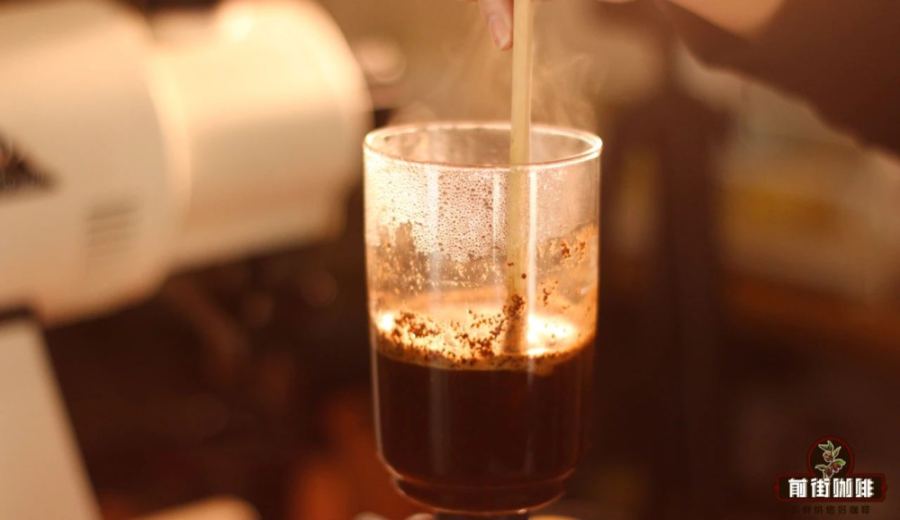
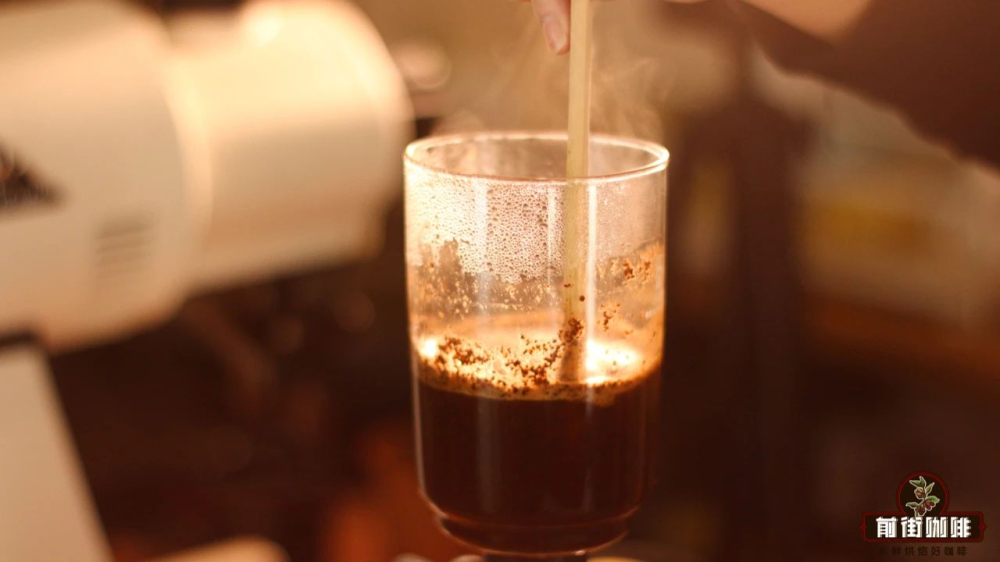
First, let’s take a look at the actual extraction principle of the siphon maker. Many people mistakenly believe that the “siphoning” action is the extraction method itself. In fact, siphoning is merely the process where hot water from the lower chamber is “drawn up” to the upper chamber due to the pressure difference created by heating. The real extraction stage occurs after the hot water reaches the upper chamber and is immersed with the coffee grounds. Therefore, the extraction method of the siphon maker should be classified as “immersion extraction.”
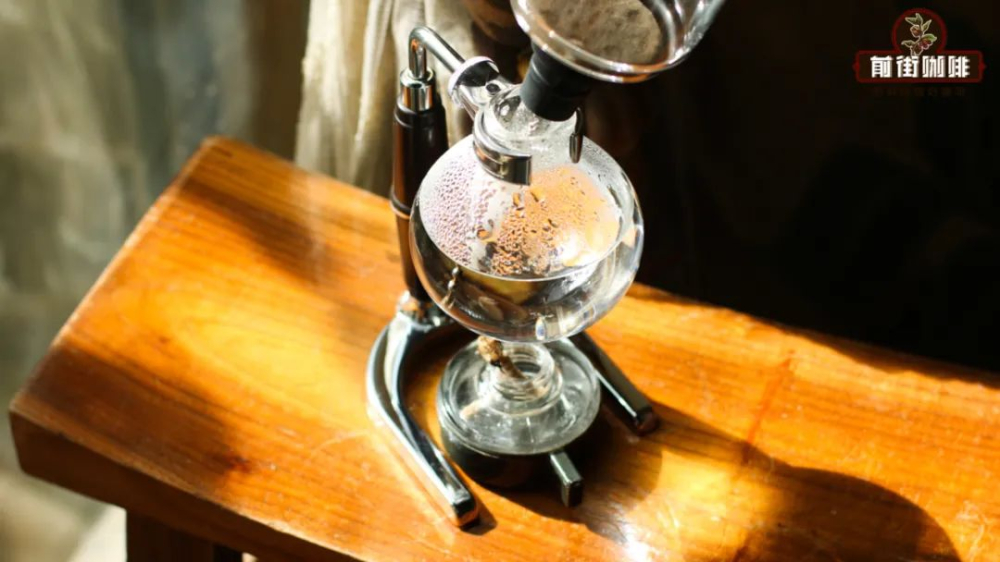
The characteristic of immersion extraction is that water and coffee grounds remain in full contact at a fixed temperature for a period of time, allowing various soluble substances in the coffee to release steadily. Since the water in the siphon maker is continuously heated during extraction, the overall process remains close to constant temperature. This helps stabilize extraction efficiency and also allows for proper stirring to complete extraction in a relatively short time. Compared to general immersion or drip methods, the constant temperature feature of the siphon maker helps improve overall extraction yield, resulting in more concentrated and balanced flavors.
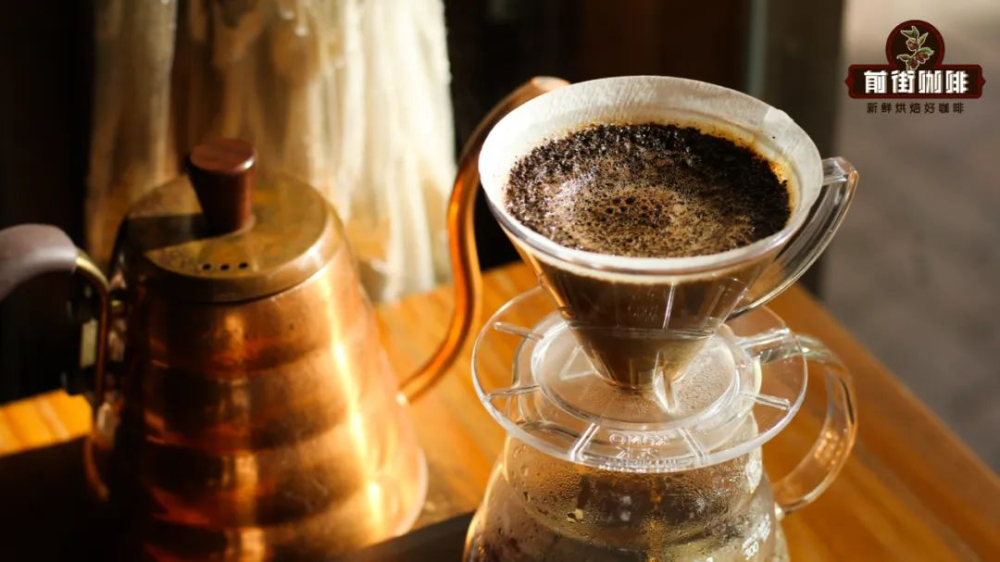
On the other hand, pour over coffee mostly adopts what is known as “drip filtration extraction.” Although the actual process may include a brief immersion phase, its essence is still the extraction of flavor substances by allowing hot water to slowly drip through the coffee grounds. During this process, the water is continuously flowing, thus constantly “carrying” fresh flavor compounds, which often results in pour over coffee exhibiting richer and more prominent aroma and layers. However, improper operation can easily lead to over-extraction and produce bitterness.
In addition to differences in extraction methods, the filtration system is also a critical factor affecting the final coffee taste. Pour over coffee generally uses high-density filter paper, which effectively filters out the majority of coffee fines and oils, resulting in a coffee liquid that is clear, transparent, and has a clean taste. While this “clean” presentation reduces oiliness, it may also make the overall taste slightly thinner.
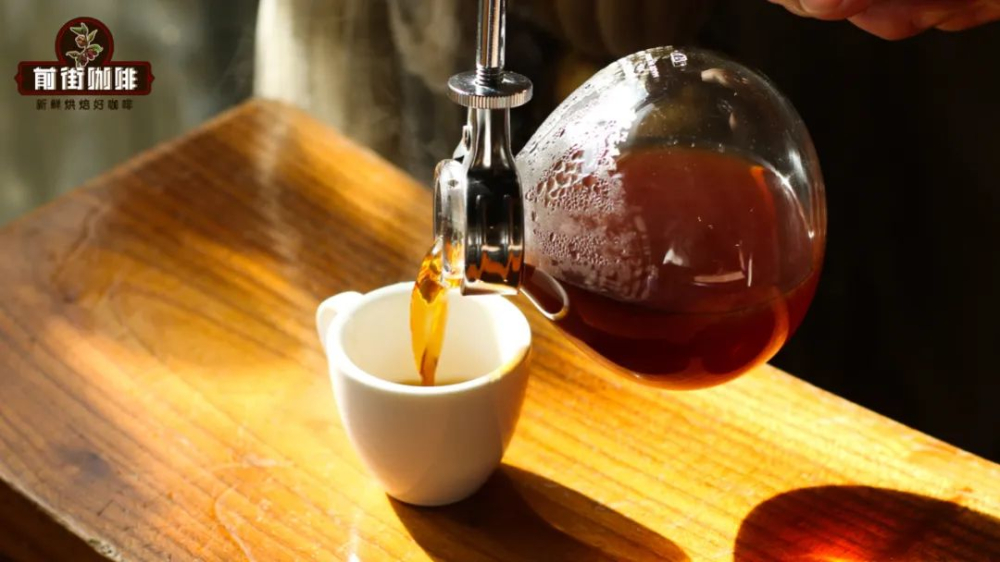
In contrast, the siphon maker commonly uses a cloth filter made of flannel. Although some users opt for filter paper, because it cannot fully seal the coffee bed, fines and micro-oils may still enter the lower chamber’s coffee liquid, causing siphon coffee to appear somewhat cloudy. However, the presence of these fines and oils is one of the key factors contributing to the rich mouthfeel and full-bodied texture of siphon coffee. As a result, siphon coffee often has a more intense taste and smoother texture. Though its flavor layers may not be as distinct as those of pour over, they tend to be rounder and more well-rounded.
Overall, the differences in extraction and filtration between siphon and pour over coffee result in clearly distinct flavor profiles. If you prefer a fuller body, intense aroma, and enjoy the visual and operational aspects of brewing, the siphon maker is an excellent choice. If you lean more toward a clean, refreshing, and well-defined coffee experience, pour over might better suit your taste.
No matter which method you choose, understanding the underlying principles and details allows you to better adjust grind size, water temperature, brewing time, and coffee bean selection according to your personal taste preferences, thereby enhancing each brewing experience. Coffee beans suitable for the siphon maker usually have medium to dark roast characteristics that complement its extraction properties, highlighting rich flavors such as chocolate, caramel, and nuts. We hope this analysis helps you gain a deeper appreciation of the charm of the siphon maker and discover your own ideal cup of coffee.
The above content is compiled by CoffeeHunters, a coffee news website.


