







Introduction:Maragogype, also known as "elephant bean," is a rare giant mutation variety under the Arabica species. Its beans are even larger than those of Liberica, yet it retains a bright berry flavor profile and a full body. However, this coffee variety is challenging to cultivate, with low yields and slow maturation. So why do some farms still favor it? This article will take you through its genetic origins, brewing recommendations, and debunk common misconceptions about the "elephant bean" grade.
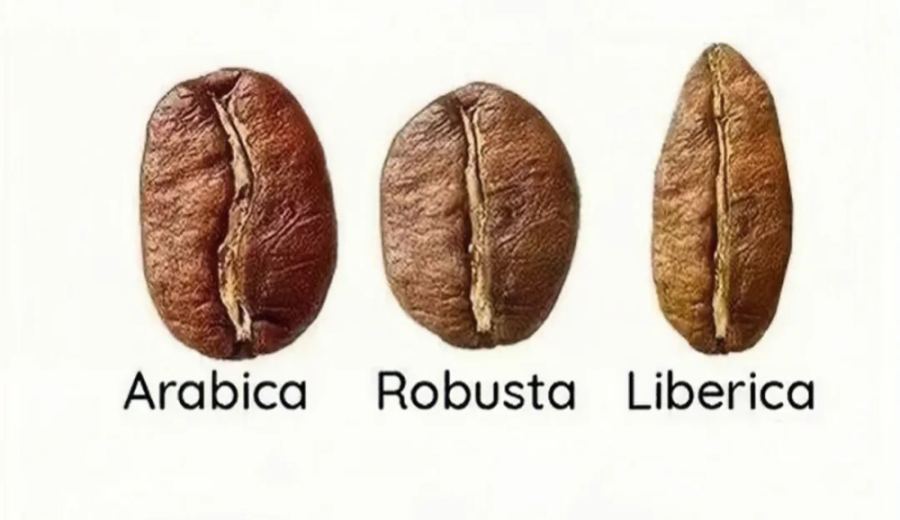
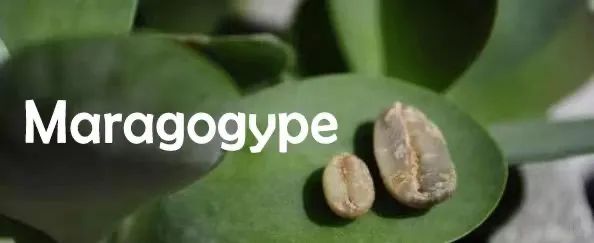
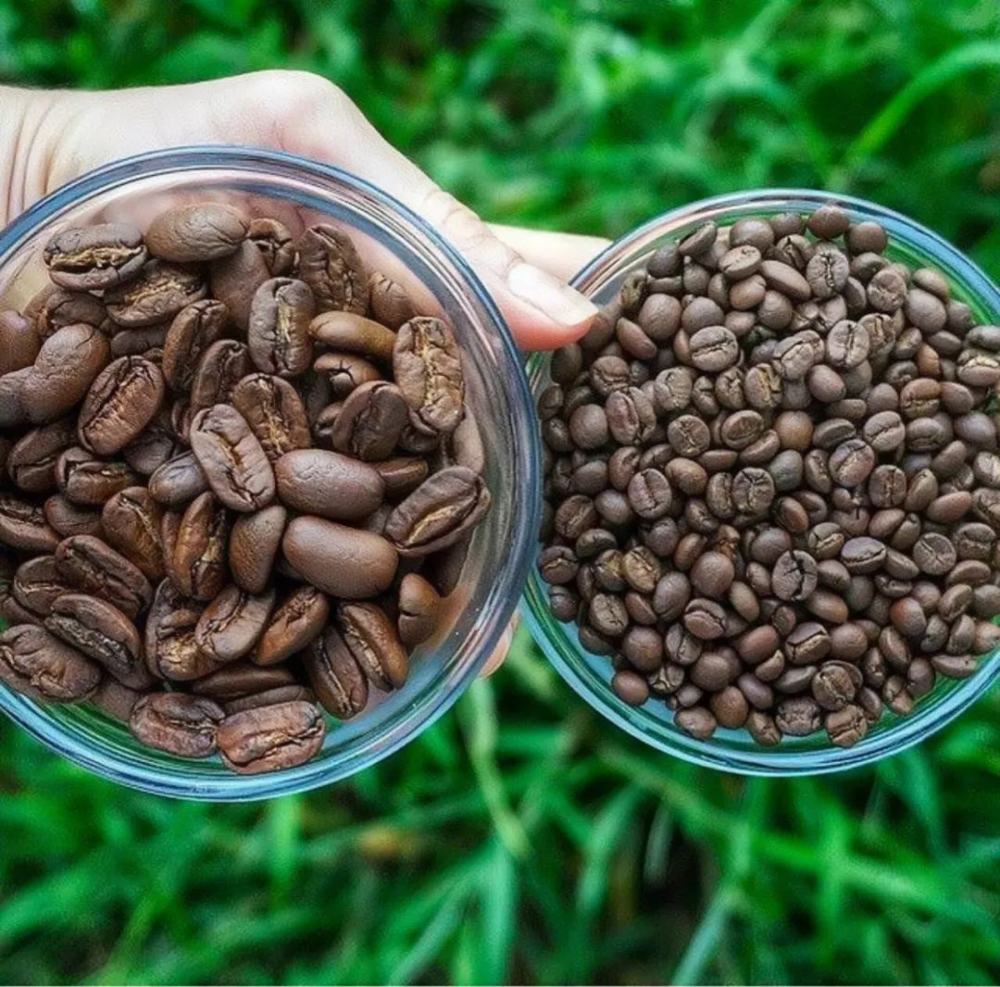
Among the three primary coffee species, Arabica generally features smaller bean sizes. But there is one exception—Maragogype. This variety, nicknamed the "elephant bean," boasts an astonishingly large bean size, not only far exceeding that of regular Arabica but even surpassing the traditionally recognized larger-bean species, Liberica. It was first discovered in 1870 in the Maragogype region of Bahia State, Brazil, and subsequent genetic testing confirmed that it is actually a mutation of Typica. Although it belongs to the Arabica family, its beans are about three times the size of regular Arabica beans, hence the name "elephant bean."
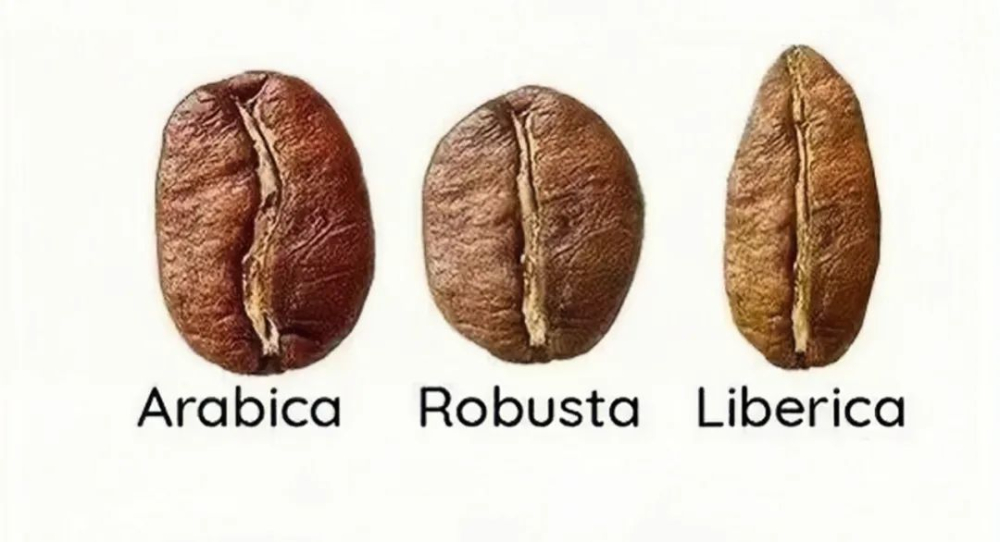
Judging by naming conventions, we usually expect to infer the average bean size based on the variety. Yet Maragogype breaks that norm. As the "giant" of Arabica, its existence is surprising, especially given that at the time, Arabica was suffering from leaf rust, and Liberica was considered an alternative. Interestingly, in the early days of its discovery, many people mistook it for a member of the Liberica family, until genetic analysis revealed its true lineage—a mutation of Typica. This also explains why the title may seem contradictory: it’s Arabica, yet bigger than Liberica.
The flavor profile of Maragogype is not compromised by its size. Its flavor wheel often showcases pronounced sweet berry aromas, with a bright acidity and citrus notes. The body is full and smooth, delivering an overall rich and layered cup. However, behind these excellent flavor characteristics lie significant cultivation challenges. The trees are not only taller than regular coffee plants, but their leaves and overall structure are also larger, meaning they require more growing space, soil nutrients, and management resources. In return, the yield per plant is relatively low, making the input-to-output ratio disproportionate, and offering limited economic benefits to the average coffee farmer.
Even more challenging is its maturation cycle. The fruits of Maragogype take much longer to ripen compared to typical Arabica, which poses a major obstacle for growers seeking quick crop rotation and stable returns. Coupled with uncontrollable factors such as weather changes, the risks are even higher. As a result, the regions where Maragogype is primarily cultivated are concentrated in Central and South America, and mostly on large estates with ample land and high tolerance for risk. Small-scale farmers rarely venture into cultivating such a high-challenge variety.
Beyond cultivation difficulties, consumers often encounter a common misconception when purchasing: the term "elephant bean." Many assume that "elephant bean" is the proprietary name for Maragogype, but in fact, it has a dual meaning. On one hand, it is the common name for Maragogype, used to describe its elephantine bean size. On the other hand, in certain regions or countries that grade beans by size, "elephant bean" is also a grade designation, referring to coffee beans larger than 20 mesh (approximately 8 millimeters or more). Therefore, when you see a product labeled as "elephant bean" in the market, be sure to confirm whether it refers to the variety or the grade to avoid confusion.
If you are a pour over enthusiast looking to try Maragogype, it is recommended to use a medium-coarse grind (close to white sugar granules), with water temperature controlled at 90–92°C, and adopt a multiple-pour extraction method to fully showcase its berry and citrus layered profiles. Due to the larger bean size, consider using a V60 or Kalita Wave dripper to ensure smooth water flow and avoid over-extraction or clogging.
In summary, Maragogype (elephant bean) is a coffee variety that combines visual impact with distinctive flavors. Though it has high cultivation barriers and limited production, it still attracts many farms and coffee enthusiasts pursuing unique flavor experiences. Understanding its background, challenges, and proper brewing methods allows you to more fully appreciate the unique charm of this "coffee giant."
The above content is compiled by CoffeeHunters, a coffee news website.


