







Introduction:As one of the most accessible coffee brewing methods, drip brewing is not only easy to operate and suitable for daily consumption, but also capable of showcasing the original flavors of single-origin beans. However, brewing a well-balanced and enjoyable Americano involves knowledge in bean selection, grind size, and equipment pairing. This article delves into the principles of drip coffee, explores how grind size affects extraction, and offers practical advice on equipment operation and bean variety recommendations to help beginners easily master this classic technique.
Drip coffee is often the first choice for many coffee beginners entering the world of coffee brewing. This method doesn’t require expensive equipment and has a simple process, yet it can deliver a bright, clean, and refreshing taste—similar in flavor profile to Japanese siphon brewing—and is especially popular in scenarios that prioritize original flavors and everyday convenience. Whether at home or in the office, you can brew coffee with stable quality using the most basic equipment.
However, within what seems like a simple drip process, there are actually quite a few key details. Among them,grind size selectionis one of the core factors affecting extraction results. Many people using American drip coffee machines at home often buy pre-ground coffee due to not having a grinder, but if the grind size is incorrect, even the highest-quality beans can be difficult to brew into an ideal cup. Therefore, understanding the appropriate grind size for different devices is crucial.
Simply put, the finer the coffee grounds, the greater the surface area in contact with water, leading to faster and more intense release of flavor compounds. But if not controlled properly, it can easily lead to over-extraction, resulting in coffee that is overly strong, bitter, or even unpleasantly off-flavored. Conversely, if the grind is too coarse, water passes through too quickly, which may cause under-extraction—the coffee will taste watery, thin, lack complexity, and may even have noticeable sourness.
In the industry, grind sizes are generally divided into seven levels, ranging from the coarsest Extra coarse (suitable for cold brew) to the finest Extra Fine (used for Turkish coffee). But for most home users, it can be simplified into three main categories: coarse, medium, and fine. Using the filtration rate of a standard No. 20 sieve as a reference, it can roughly be divided into about 80% (medium), 75% (medium-fine), and 70% (fine). For example,American drip machines generally recommend using a medium to medium-coarse grind size, similar to the medium-coarse range in pour over brewing, to ensure proper extraction time and flow rate.
The common correspondence between international brewing equipment and grind sizes is roughly as follows: French press uses coarse grind (such as Extra coarse to Coarse), pour over typically uses medium to medium-fine (Medium to Medium-fine), while espresso machines and moka pots require fine to extra fine grind (Fine to Extra Fine). Therefore, choosing the appropriate grind size should be adjusted based on the actual characteristics of the equipment used.
In addition,the roast level of the coffee beansalso greatly influences the final flavor profile. Light roast coffee usually features bright fruit acidity, floral notes, and citrus tones, making it suitable for those who enjoy a refreshing taste; medium roast presents a more balanced flavor with caramel, nutty, and chocolatey undertones, catering to the taste preferences of most people; dark roast coffee is known for its rich, bold body, smoky notes, and black chocolate flavors, often favored by those who prefer stronger tastes.
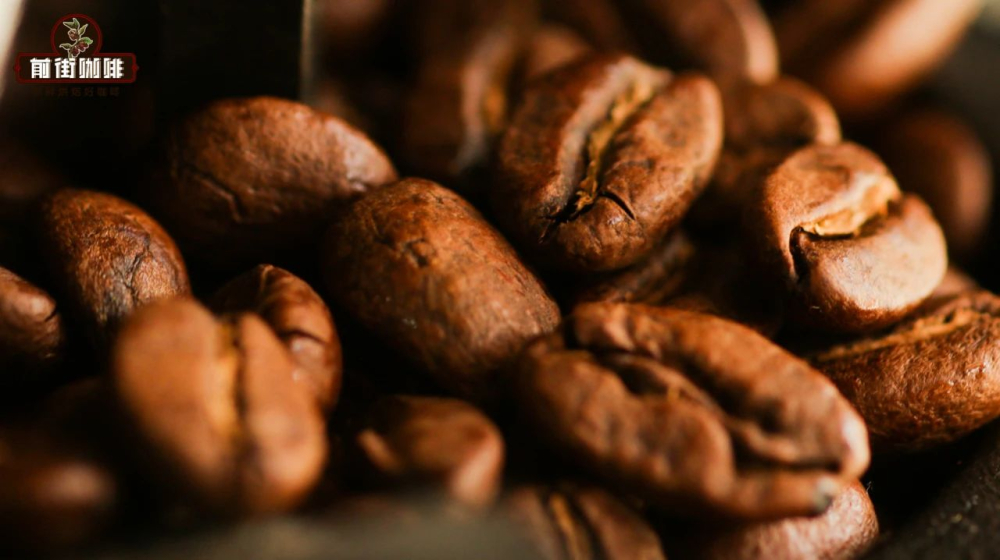
If you’re using a drip coffee machine, it’s recommended to choose a roast level that matches your desired flavor profile. For instance, readers who enjoy fresh fruity notes and sweetness might opt for light roast beans, such as Ethiopian sun-dried processed beans, which often feature distinct berry and citrus flavors with vibrant acidity and layered complexity. For those seeking a balanced taste, medium roast beans such as Jamaican Blue Mountain (make sure to select products with recognized Rainforest Alliance-certified regions and estates) are a great choice, offering a well-proportioned balance of acidity, sweetness, and bitterness, with medium roasting further highlighting a creamy texture and black chocolate aroma.
As for coffee enthusiasts who prefer bold flavors, you might try dark roast beans, such as the triple hand-picked and uniformly sized Golden Mandheling. These beans come from Sumatra, Indonesia, and are known for their full-bodied, low-acid profile with earthy and spicy notes. However, it’s worth noting that the commonly available ‘Mandheling’ products on the market vary greatly in quality—it’s recommended to choose products with certified origin and clear labeling, such as those with PWN certification, to avoid purchasing inconsistent imitation products.
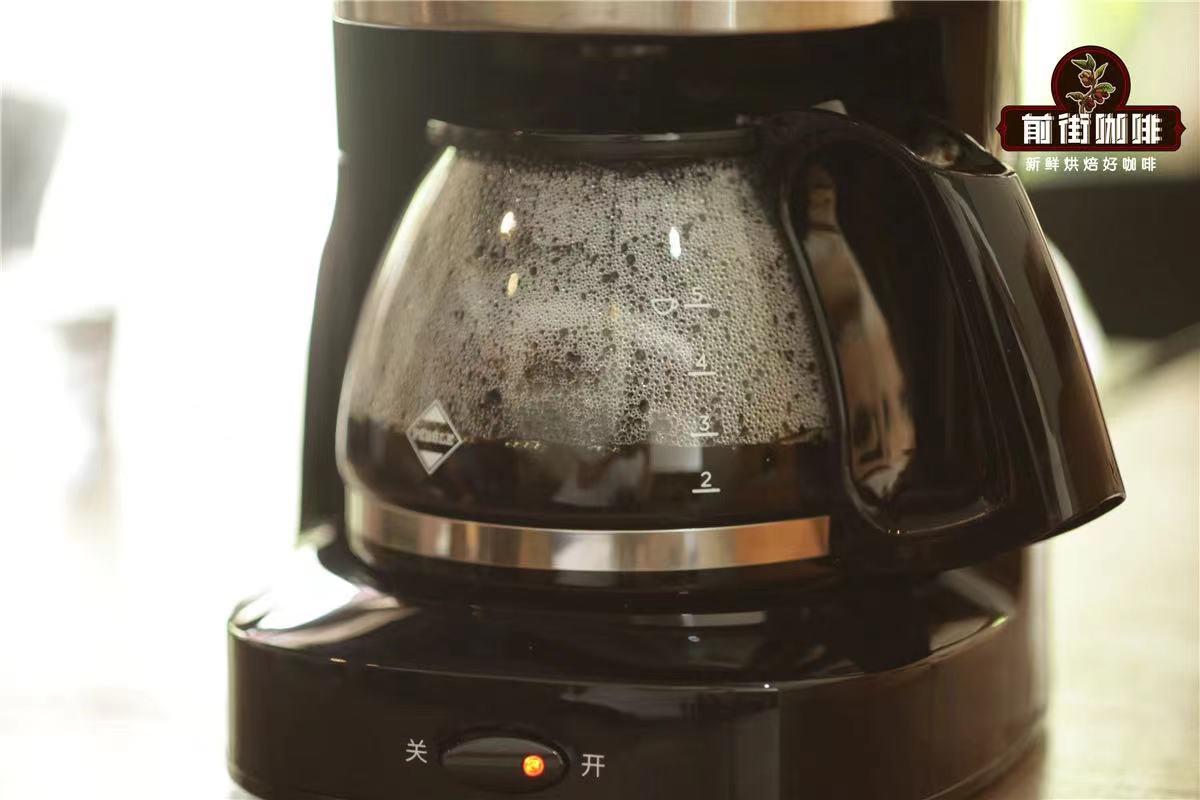
After understanding beans and grind size, let’s move on to the actual operation. Taking the commonly used De’Longhi drip coffee machine as an example, the operation steps are very simple: First, place an appropriate amount of coffee grounds into the filter basket (a recommended ratio is 5 grams of coffee per 100 milliliters of water, adjustable according to taste), then fill the water tank with fresh water, close the lid, and press the start button. The entire process requires no professional skills and is highly suitable for everyday use.
Moreover, many people also wonder, when comparing drip coffee with espresso, which one tastes better? Simply put,espresso (such as espresso shots) usually has a richer, bolder flavor with a layer of fine crema on top, which adds to the texture complexity; whereas drip coffee is relatively cleaner and crisper, with a more distinct flavor profile that stays closer to the beans’ inherent characteristics. If you only have a drip coffee machine at home, you can also try optimizing the extraction by adjusting the grind size and water temperature.
In summary, drip coffee is a brewing method with low barriers to entry and high operational flexibility. As long as you master the grind size, choose suitable coffee beans and the right proportions, even with the most basic drip machine, you can easily brew a well-balanced and layered Americano. Whether you’re a coffee beginner or an enthusiast looking to improve your home brewing skills, understanding these fundamental principles is the first step toward a better coffee experience.
The above content is compiled by CoffeeHunters, a coffee news website.


