







Introduction:Jamaican Blue Mountain coffee is renowned for its balanced and delicate flavor profile, as well as its stringent cultivation standards. However, the market is often flooded with imitations or misconceptions. This article delves into the exclusivity of Jamaican Blue Mountain No. 1, exploring its grade classification, the characteristics of the Typica variety, the rigorous grading system, and how to identify its iconic wooden barrel packaging. It also provides expert pour over recommendations and a flavor profile, offering a comprehensive understanding of the unique charm of this world-class coffee.
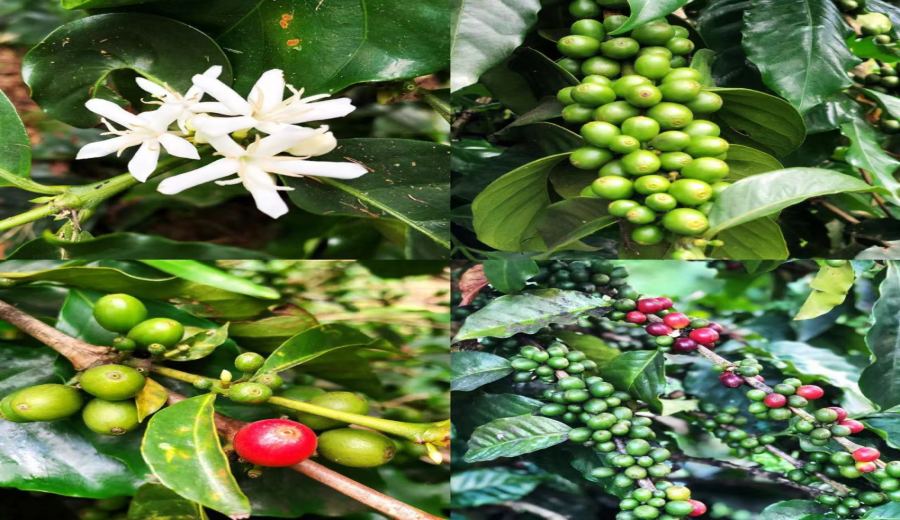
Blue Mountain coffee is a legend in the specialty coffee world, grown in the narrow belt of the Blue Mountains of Jamaica at elevations between 910 and 1700 meters. The region’s exceptional geographical conditions create a truly one-of-a-kind flavor. The coffee trees are primarily planted on steep slopes, coexisting with shade-providing trees such as bananas and avocados. The slow maturation process imparts a richer complexity to the beans.
The Typica variety used in Blue Mountain coffee is one of the oldest types of Arabica, introduced to the region as early as the 18th century. After more than two centuries of adaptation, Jamaican Typica has developed unique disease resistance and flavor characteristics, becoming the soul of the local coffee.
The Jamaican government exercises extremely strict control over the production of Blue Mountain coffee. The country’s annual coffee output is only about 1,260 to 2,400 tons, of which only 25% — around 300 to 600 tons — meets the Blue Mountain standard. Compared to large-scale production in countries like Brazil, this quality-over-quantity approach is the very foundation of Blue Mountain’s excellence.
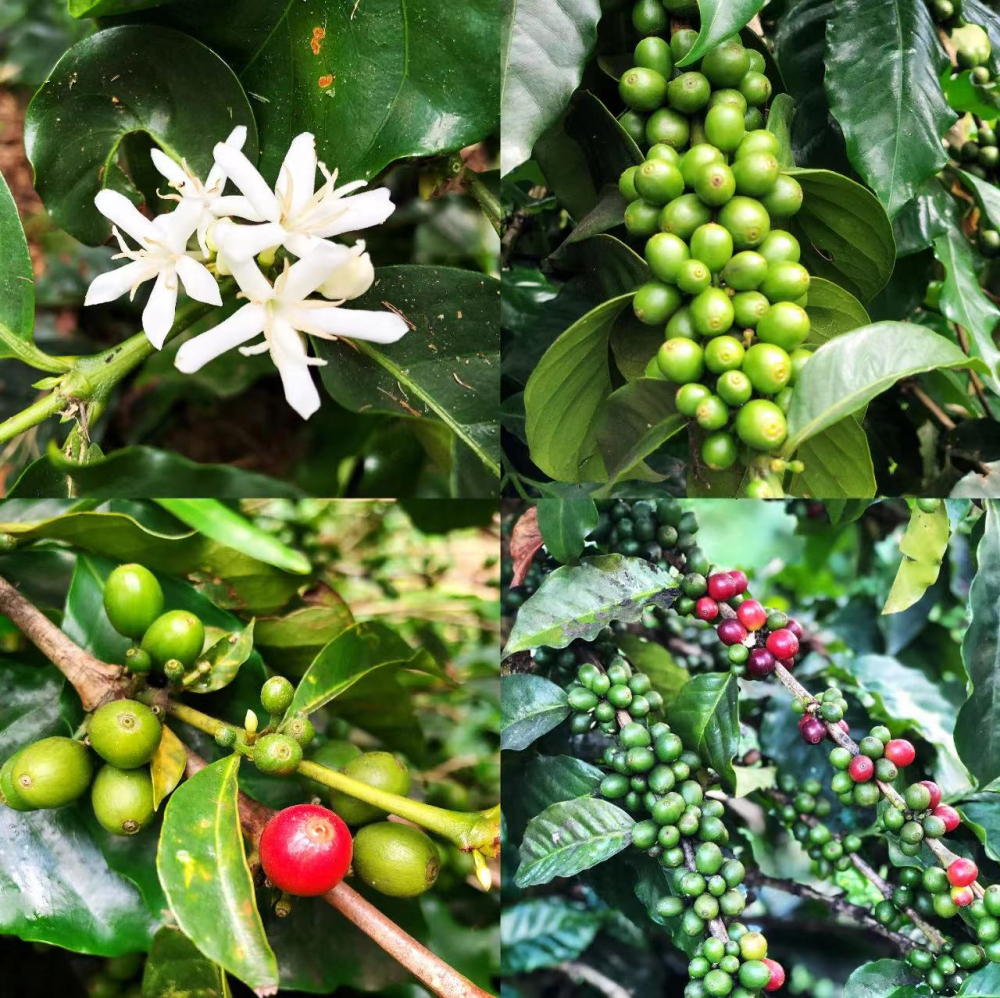
During the harvest season, due to the rugged terrain, only skilled local female workers are capable of the task. Each coffee cherry is handpicked with precision to ensure perfect ripeness — a key factor behind the consistently high quality of Blue Mountain coffee. The harvested cherries are depulped on the same day, undergo 12 to 18 hours of fermentation, then are thoroughly washed to remove the mucilage, and finally dried by sun to achieve a moisture content of 12% to 14%.
The dried coffee beans are classified into four grades based on size and defect rate: NO.1 (Blue Mountain No. 1), NO.2, NO.3, and Peaberry. Among them, NO.1 is the highest grade, with bean size between 17 and 18 mesh, a defect rate below 2%, and a uniform, plump appearance. NO.2 requires 96% of beans to be 16 mesh or larger, while NO.3 must be 15 mesh or larger, also with a defect rate not exceeding 2%.
The high price of Blue Mountain No. 1 stems from the stringent control throughout the entire process — from cultivation to export — including the use of organic fertilizers, manual harvesting, and professional processing procedures. While these standards increase costs, they also ensure the consistent quality of Blue Mountain coffee.
Jamaican Blue Mountain No. 1 is typically exported in distinctive round wooden barrels, unlike the common burlap sacks. This packaging material effectively blocks moisture, maintaining the green beans’ ideal moisture content of 11.5%. All officially exported Blue Mountain coffee comes with a certificate issued by the Jamaica Coffee Industry Board (CIB). Customers are advised to request relevant certification from sellers.
In terms of flavor, Blue Mountain No. 1 is celebrated for its balanced acidity, sweetness, and bitterness. It features the richness of dark chocolate, gentle citrus acidity, along with sugarcane-like sweetness and a caramel aftertaste. This layered taste profile makes it the ultimate pursuit for many coffee enthusiasts.
For pour over brewing, a medium-dark roast is recommended, using a Kono dripper with low water temperature (around 88°C). The suggested coffee-to-water ratio is 1:15, with a grind size of medium-coarse, achieving about 70% passing through a 20-mesh sieve. Specific parameters can be set as follows: 15 grams of coffee grounds, first blooming with 30 grams of hot water for 30 seconds, then pouring water in a slow circular motion centered around the grounds up to 125 grams, waiting for the water level to drop before pouring up to 225 grams. The total extraction time is approximately 2 minutes and 10 seconds. This method fully highlights the delicate flavors and rich body of Blue Mountain coffee.
The above content is compiled by CoffeeHunters, a coffee news website.


