







Introduction:Although Laos is not a major coffee-producing country, its Bolaven Plateau boasts uniquely favorable growing conditions that nurture promising Arabica beans. This article delves into the history, regional characteristics, and flavor profiles of Lao coffee, helping you understand the distinctive qualities of this hidden gem in the Indochina Peninsula and discover noteworthy specialty coffee options.
When it comes to Asian coffee, many people first think of Indonesia’s Mandheling or Vietnam’s mass-produced beans. However, Laos, also located in the Indochina Peninsula, remains relatively unknown due to its low market visibility. In fact, Laos features high altitudes, mineral-rich volcanic soils, and abundant rainfall—natural conditions ideal for coffee cultivation. Though this landlocked country started its coffee-growing journey later than others, its potential is gradually gaining attention as the industry rebounds in recent years.
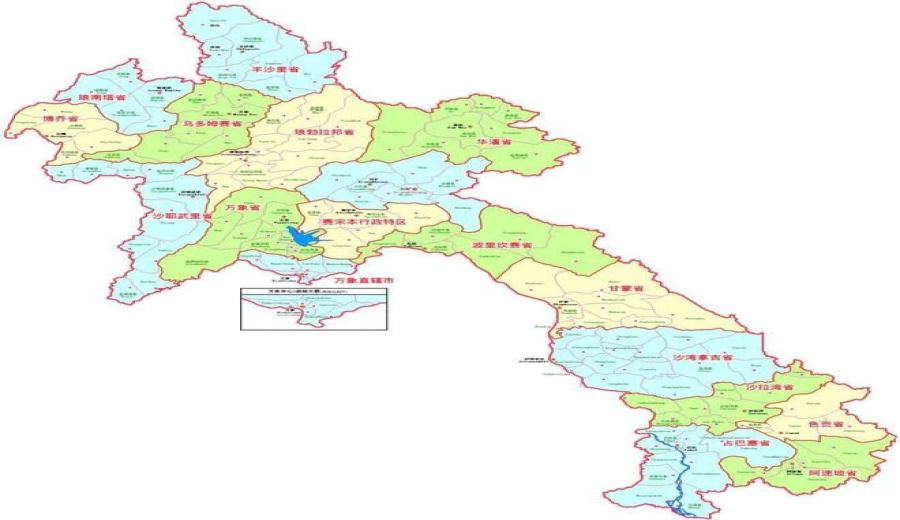
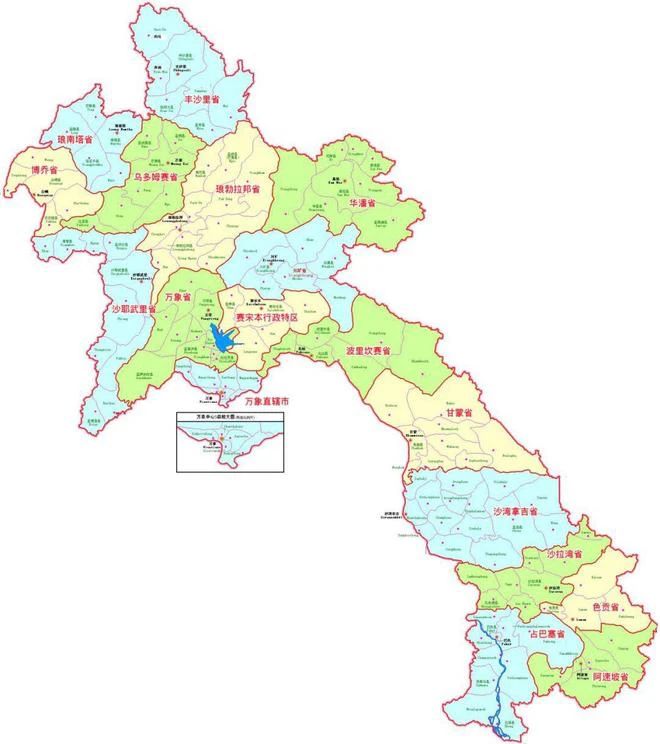
Laos is entirely landlocked, with higher elevations in the north and lower in the south, bordering countries such as China, Vietnam, and Thailand. The terrain is diverse, encompassing plateaus, mountains, and basins along the Mekong River, among which the Bolaven Plateau is the core coffee-growing region. This area has a tropical and subtropical monsoon climate, with a dry season from November to April and a rainy season from May to October. With an average annual rainfall of about 2,000 mm, coupled with high altitudes and fertile soils, it creates optimal conditions for coffee cultivation.
The history of coffee cultivation in Laos dates back to the early 20th century during the French colonial period. The French discovered that the soils of the Bolaven Plateau were rich in minerals and the altitude suitable for coffee growing, so they introduced coffee seedlings and sent agricultural experts to assist local farmers in developing planting and post-harvest processing techniques. However, the outbreak and devastation of World War II severely impacted the local growing foundation. Additionally, post-war political environments that suppressed the coffee industry once nearly drove Lao coffee into obscurity.
It wasn’t until recent years, as the government gradually opened up to private agricultural investment, that the Lao coffee industry began to revive. According to data from the Lao Coffee Association, around 95% of the country’s coffee beans now come from the Bolaven Plateau, which spans Champasak, Attapeu, and Saravane provinces. Within the region, both Arabica and Robusta varieties coexist, though Arabica accounts for only one-third of total production. Its delicate flavors have drawn attention. The harvest season mainly falls between November and March each year, following the typical post-rainy season pattern.
Notably, most Lao coffee is grown by small family farms. Though small in scale, these farms carry strong local characteristics. Due to remote locations, local beans are often processed using traditional methods, and post-harvest techniques still require further improvement. As a result, most production is supplied to the domestic market, with limited export proportions. Current main export destinations include neighboring Vietnam, Thailand, and China, with the beans not yet widely circulated in the international market.
In terms of flavor, Lao coffee generally offers a mild and smooth mouthfeel, with acidity well-balanced—not as sharply acidic or heavily bitter as some other regions, but rather showcasing a soft and balanced profile. It suits consumers who prefer medium to low-acidity coffee. For pour over enthusiasts, the stable performance and ease of extracting balanced flavors from Lao Arabica beans also make them an excellent choice for exploring niche origins.
Overall, although Lao coffee has yet to become mainstream, the geographical conditions of the Bolaven Plateau and the gradually improving cultivation techniques have begun to draw international market attention to this potential origin. With further improvements in post-processing and stronger brand recognition, Lao coffee has the potential to carve out a place in the global specialty coffee market. For coffee lovers, now is the perfect time to try this coffee that embodies Southeast Asian terroir characteristics.
The above content is compiled by CoffeeHunters, a coffee news website.


