







Introduction:When choosing an espresso machine, the common dilemma between semi-automatic and fully automatic models can be hard to resolve. This article takes a practical approach, delving into the core differences between the two — including operational flexibility, learning curve, and suitability for different scenarios — and includes a step-by-step guide on making an Americano using a semi-automatic machine. From dosing, distributing, tamping to extraction, this walkthrough of the professional process will help you find the machine that best suits your needs.
As coffee culture becomes increasingly popular, more and more coffee enthusiasts consider adding a professional machine at home, both to enjoy freshly brewed coffee and to save on takeout expenses. However, when making a choice, the difference between “semi-automatic” and “fully automatic” machines often causes confusion. These two types not only operate very differently, but also vary in flexibility and the upper limit of brewing quality, suiting different kinds of users. This article will analyze the distinctions from a professional perspective and demonstrate how to make a standard Americano using a semi-automatic coffee machine, covering every detail from cleaning the portafilter basket, accurately dosing, evenly distributing, properly tamping to extracting. It helps readers find the machine that best matches their personal needs.
In recent years, the appeal of specialty coffee has continued to grow, with many people developing the daily habit of drinking coffee. A single cup is no longer enough, and frequent purchases not only consume time but also add up to significant long-term costs. As a result, many consumers choose to invest in a home espresso machine during shopping festivals to enjoy freshly ground coffee while effectively managing expenses. But when selecting a machine, many find a commonly overlooked key question: should they choose a semi-automatic or a fully automatic model? Since most consumers’ understanding of espresso machines is limited to “devices that brew concentrated coffee,” they are unfamiliar with the specific differences between the two types. Therefore, this article will provide a detailed analysis of their characteristics and suitable scenarios to help you make an informed decision.
A semi-automatic espresso machine refers to one where every step — from grinding beans, filling the portafilter, attaching the handle, to starting the extraction — must be performed manually by the user. The machine itself is only responsible for heating and extraction. To make milk-based coffee, you must also manually froth the milk and control its temperature and texture. In addition, after each use, the extraction area, including the portafilter basket and group head, must be thoroughly cleaned to avoid residue that could affect the flavor of subsequent brews and the performance of the machine.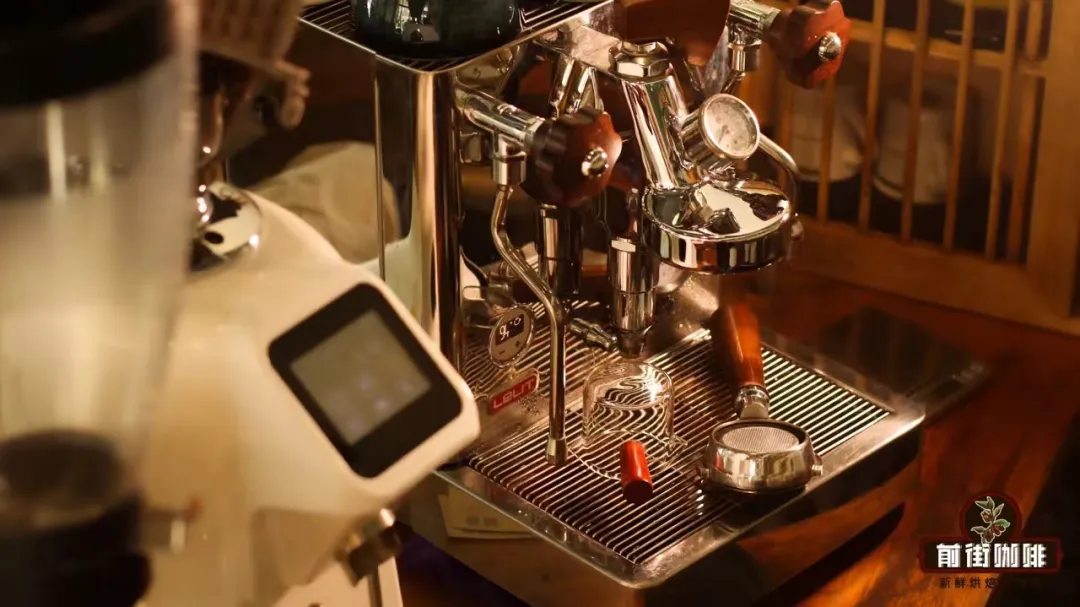
In contrast, a fully automatic espresso machine can automatically complete most of the process. With just a press of the corresponding button, the machine will automatically grind beans, fill the portafilter, and extract according to preset parameters. When making milk coffee, it can even automatically heat and froth the milk, leaving the user to simply wait for the finished product. After use, you only need to regularly clean the coffee puck container and the extraction system, without having to perform tedious cleaning after each brew, which significantly lowers the operation threshold and maintenance time.
Faced with the choice between semi-automatic and fully automatic espresso machines, how should one decide? In fact, there is no absolute superiority or inferiority between the two — it depends on individual needs and usage scenarios. If you value ease of use, don’t want to spend too much time learning brewing techniques, or mainly plan to use the machine in settings such as an office where large quantities of coffee are needed, a fully automatic machine is a more worry-free option. However, it offers limited flexibility; some models cannot adjust grind size or other parameters, which may impact the subtlety of coffee flavor. If you pursue higher quality and more room for adjustment, hoping to fine-tune brewing conditions based on bean characteristics and personal taste preferences, a semi-automatic machine will offer greater potential, though it does require time to learn basic brewing knowledge and operational skills.
The following is a complete step-by-step operating procedure for making an Americano using a semi-automatic espresso machine, referenced against common professional café standards: First, use a clean cloth to wipe the portafilter basket to ensure no residual moisture inside; next, use an electronic scale to accurately weigh about20 gramsof coffee grounds, with an error margin controlled within±0.1 grams; then proceed with distribution, ensuring the coffee grounds are evenly spread in the basket; immediately follow with tamping, using appropriate pressure to make the coffee bed compact and level; once done, gently tap the portafilter back into place and securely attach it to the machine’s group head; press the extraction button and extract approximately40 gramsof espresso, aiming for an extraction time of around30 seconds; finally, gently tap to remove the portafilter and immediately clean the group head to prevent any residue from affecting the flavor of the next shot.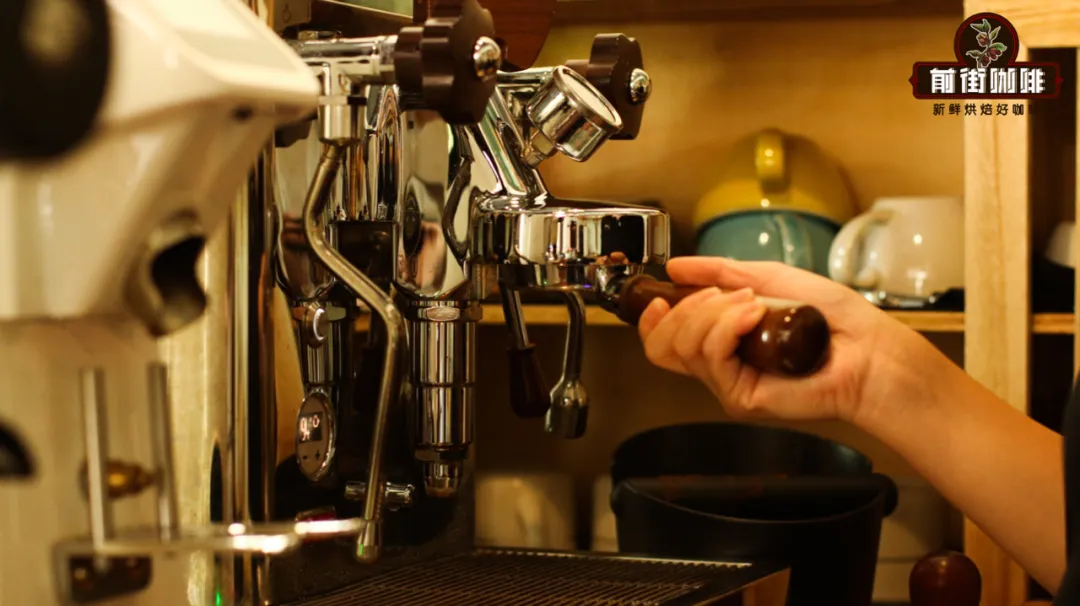
After completing the espresso extraction, simply prepare a cup with about300 millilitersof ice, add90 grams of ice cubesand100 grams of cold water, then slowly pour the extracted espresso over the top to complete a standard Americano. For those wanting to experiment with other flavors, sugar or milk can be added according to personal preference. When making hot milk coffee, the steam wand on the machine is used to froth the milk, with relevant techniques available in professional instructional resources. It’s worth noting that many chain coffee brands mostly use fully automatic machines, which simplify the operation — just press a button to complete the extraction — making them suitable for users who prioritize efficiency and convenience.
The above content is compiled by CoffeeHunters, a coffee news website.


