







Introduction:Although Oceania is not one of the world’s major coffee-producing regions, it is home to many specialty coffee beans with captivating flavors. This article will take an in-depth look at the cultivation characteristics and representative coffee varieties from Australia and Papua New Guinea, including the delicate-tasting Australian coffees and the clean-flavored, Asia-friendly Papua New Guinea Typica beans. Readers will not only learn the stories behind these coffees but also gain practical insights for selection and pour over brewing.
Although Oceania’s coffee-growing regions may not be as well-known as those in Central and South America or Africa, they still offer specialty coffees worth savoring. Among them, coffees from Australia and Papua New Guinea each have their own unique characteristics, showcasing distinctive charm in terms of growing environment and flavor profile. This article will introduce you to the coffee features of these two regions and recommend a highly representative Papua New Guinea Typica bean, ideal for pour over enthusiasts.
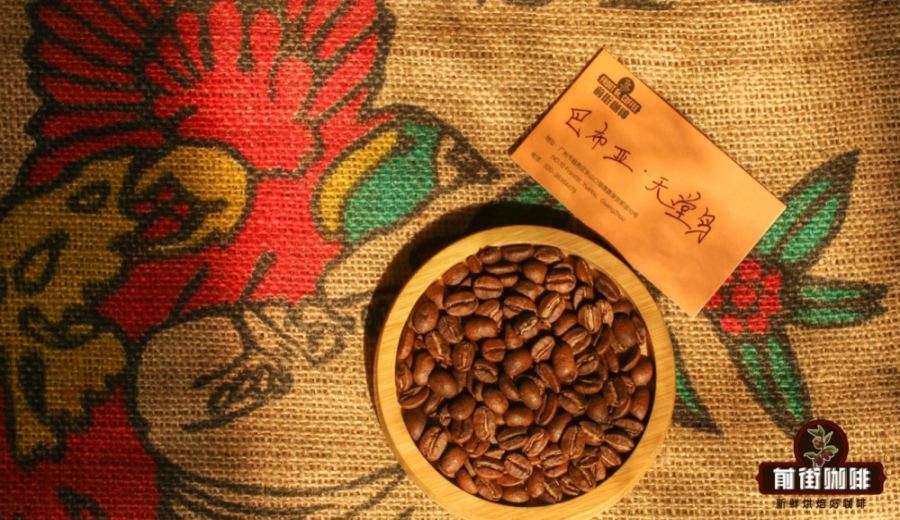
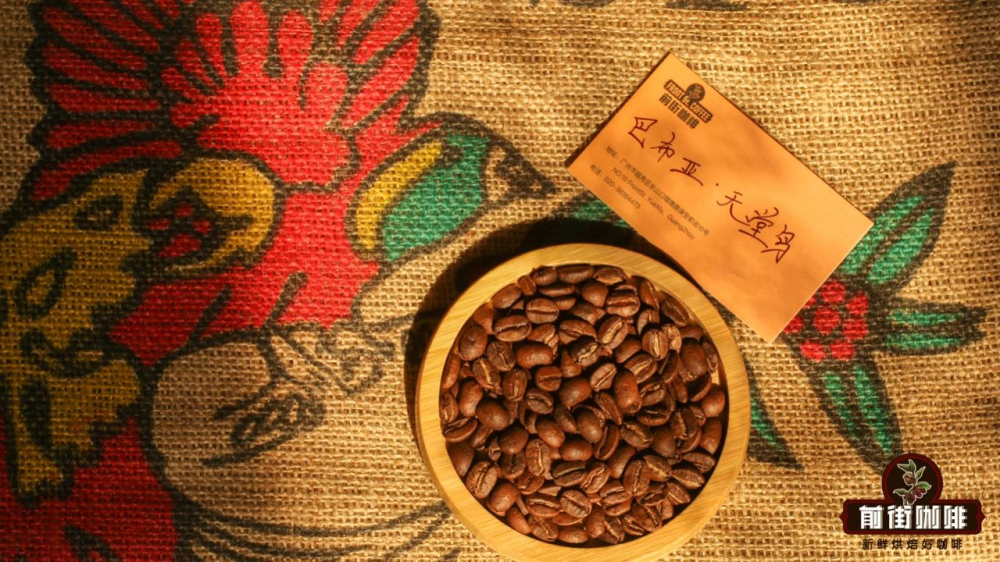
When it comes to specialty coffees from Papua New Guinea, one cannot fail to mention the bean often hailed as the “Bird of Paradise.” This bean uses the ancient Typica variety and is medium roasted, resulting in a solid body and low acidity. Its flavors are clear and layered, making it particularly suitable for Asian consumers who prefer milder acidity. Moreover, the attention to detail in both processing and roasting ensures a more stable flavor expression, making it a great choice for pour over lovers.
If we’re talking about the most surprising coffee-producing country in Oceania, it has to be Australia. Many people associate Australia with high-quality wine and agriculture, but few realize that the country can also produce high-grade coffee. The uniqueness of Australian coffee lies in its remarkably smooth and mellow mouthfeel, coupled with a subtle hint of bitterness. This bitterness is not the harsh, burnt taste of inferior beans, but rather a rich aftertaste akin to that commonly found in high-altitude coffees—truly memorable.
However, Australian coffee is relatively rare on the global market, mainly due to high production costs. First, labor expenses in Australia are steep, which drives up the cost of coffee bean production and harvesting. Additionally, the hot local climate makes many mechanized harvesting devices ineffective, so the vast majority of coffee cherries still need to be hand-picked one by one. This further increases production costs and limits export volumes.
Beyond cost factors, the coffee-growing environment in Australia also has its own peculiarities. Most coffee farms are located in cooler, high-altitude regions where the significant day-night temperature variation helps coffee beans accumulate more flavor compounds, resulting in a smooth and complex taste. Furthermore, Australia enforces strict standards for agricultural management and quality control, which also ensures a certain level of quality in its locally produced coffee.
For coffee enthusiasts eager to explore flavors from different regions, the coffees of Australia and Papua New Guinea are both worthwhile options. Australian coffee suits those who prefer a rich mouthfeel and unique mild bitterness, while Papua New Guinea Typica beans—with their clean profile, low acidity, and excellent balance—are a top choice for many pour over fans.
When selecting these premium Oceania coffees, it’s advisable to pay attention to the processing method and roast level. Generally speaking, medium-light roasts better highlight the delicate floral and fruity acidity of the Typica variety, while medium roasts bring out a fuller body and enhanced sweetness. Regardless of which you choose, proper grind size and water temperature control are key to achieving a great pour over brew.
In summary, although Oceania’s coffee production is limited, each bean carries the distinct terroir and refined craftsmanship of its origin. Whether you’re a beginner just stepping into the world of coffee or a seasoned connoisseur seeking unique flavors, do give these specialty beans from Australia and Papua New Guinea a try—you might just embark on an extraordinary flavor adventure.
The above content is compiled by CoffeeHunters, a coffee news website.


