







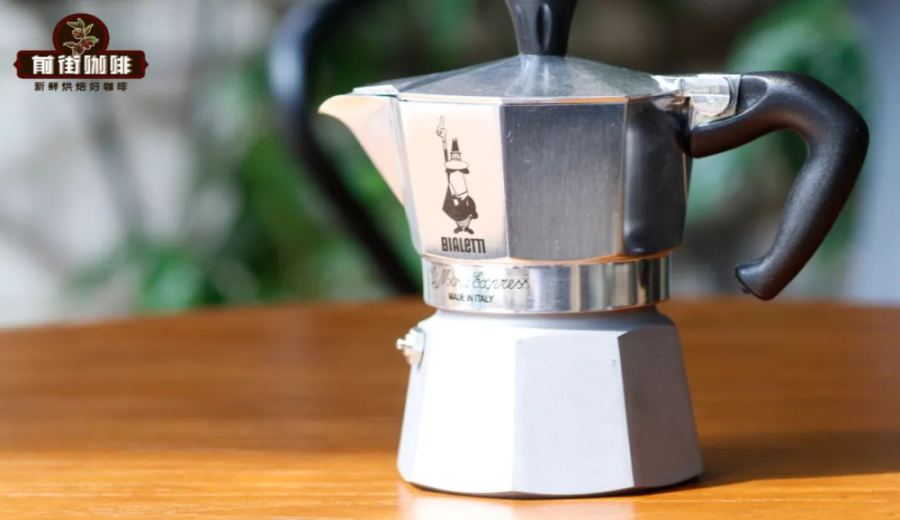
Introduction:The moka pot is the starting point for many coffee beginners entering the world of espresso, but can it produce the delicate and long-lasting crema that a professional espresso machine can? The answer lies closely with pressure. This article delves into the extraction principles of the moka pot, explores the truth behind its "crema," and analyzes how key factors such as pressure conditions, grind size, dosage control, and coffee bean roast level influence the formation and appearance of the final crema. It also provides practical bean variety recommendations to help you master the limits and possibilities of the moka pot.
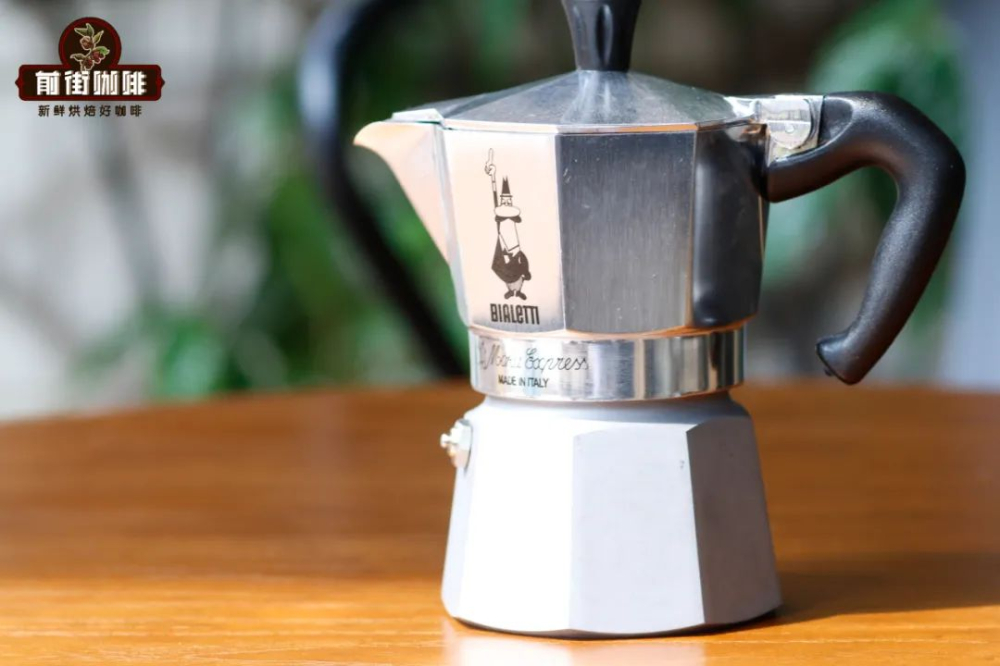
The moka pot was invented in 1933 by Italian engineer Alfonso Bialetti. This classic device, known for its simple structure, ease of use, and ability to brew richly flavored coffee, has long been the top choice for many households and coffee enthusiasts. However, if you expect the moka pot to produce crema as fine, dense, and latte-art-friendly as that from an espresso machine, then you might need to rethink.
In fact, although both the moka pot and professional espresso machines are pressurized extraction tools, they exhibit significant differences in pressure performance. And this difference directly affects the formation and stability of what is called "crema."
First, we need to clarify a common misconception: the "crema" in coffee does not come from the fat in coffee beans, nor is it a substance like butter or vegetable oil. In coffee terminology, this golden layer commonly referred to as "crema" is more accurately called "Crema," which is actually formed by a cluster of fine bubbles created when carbon dioxide mixes with extremely tiny coffee lipids during high-pressure extraction.
These bubbles bring the characteristic thick texture and rich visual effect of espresso, making the coffee look more layered, hence the term "crema" borrowed from the Spanish word for cream. However, due to language translation, many people are accustomed to calling it "oil" or "fat," leading to conceptual confusion.
To form this kind of Crema, the key lies in "pressure." Only under sufficient extraction pressure and high temperature can the carbon dioxide in the coffee grounds be fully released and combine with lipids to form stable, tiny bubbles that rise to the liquid’s surface. Therefore, pressure conditions are the core factor determining whether Crema can be produced.
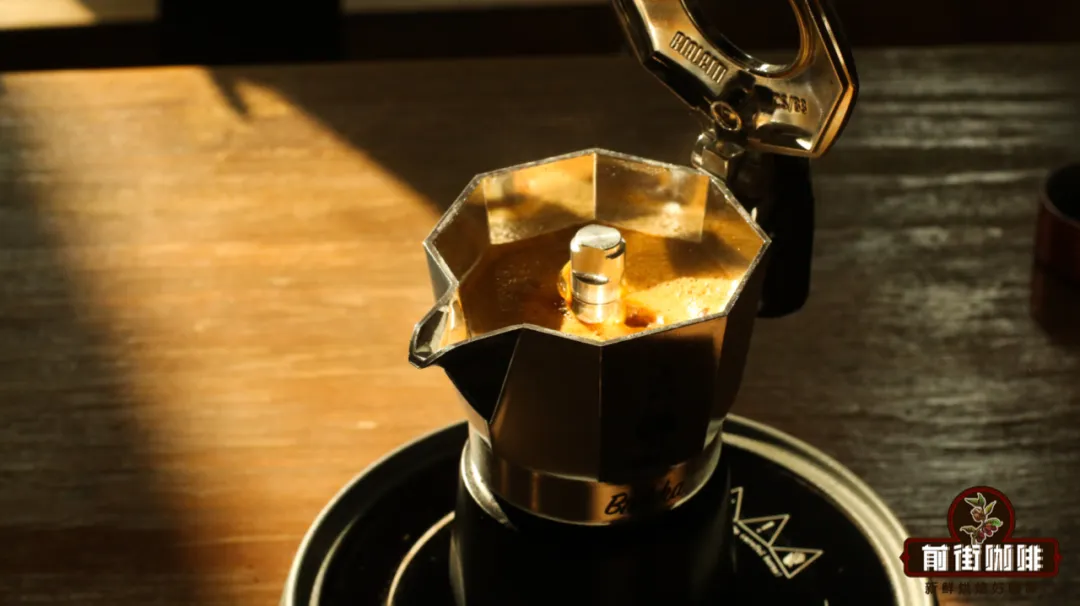
So, can the moka pot achieve such pressure to extract a similar Crema? The answer is yes, but the effect is limited. Generally speaking, the operating pressure of a moka pot only falls within 2~3bar . Even double-valve models rarely exceed this range. Compared to the 9bar standard operating pressure of an espresso machine, this pressure is clearly insufficient to form a compact, stable, and long-lasting bubble layer.
Precisely because of the lack of adequate pressure, the "crema" produced by a moka pot is usually coarser, with a loose texture—not only visually less refined, but also relatively weak in aroma and layering—and may even dissipate quickly within about two minutes after extraction. This is fundamentally different from the Crema produced by an espresso machine, which can last several minutes or even longer.
However, even if it cannot perfectly replicate the crema effect of an espresso machine, the moka pot can still produce a certain thickness and flavor of "pseudo-crema layer" under the right conditions. Achieving this depends on controlling grind size, dosage, and the selection of coffee beans—especially choosing a roast level suitable for pressurized extraction.
In terms of grind, the coffee grind required for a moka pot is roughly between that of pour over and espresso, with a feel similar to fine salt. It shouldn’t be too fine—overly fine grinds can clog the pressure relief holes or even fall into the lower chamber—nor should it be too coarse, as that can result in insufficient pressure, affecting extraction efficiency and crema formation. For dosage, simply evenly fill and gently level the filter, without additional tamping. Leaving appropriate gaps helps maintain stable water flow.

As for coffee bean selection, medium to dark roast beans are recommended. Beans roasted to these levels, due to their longer roasting duration, release relatively ample carbon dioxide internally, which aids in bubble generation under high-pressure environments. Additionally, medium to dark roast beans often carry intense caramel, chocolate, or nutty notes, which complement the rich texture of the crema layer.
If you prefer a bold, thick coffee with smoky flavors, you can opt for medium-dark roast beans, such as Indonesian Golden Mandheling, Brazilian Queen Estate, or Colombian Huila single-origin beans. These varieties, when brewed with a moka pot, often showcase a silky-textured pseudo-crema layer.
If you lean more toward bright fruity and juicy flavors, medium roast beans are also a good choice. Medium roast beans with notes like strawberry candy, jammy sweetness, or tropical fruit character—such as Colombian Gesha or Datu Ijo—are also suitable for moka pot brewing. They can display rich aromatic layers and fruity explosiveness even under relatively limited pressure.
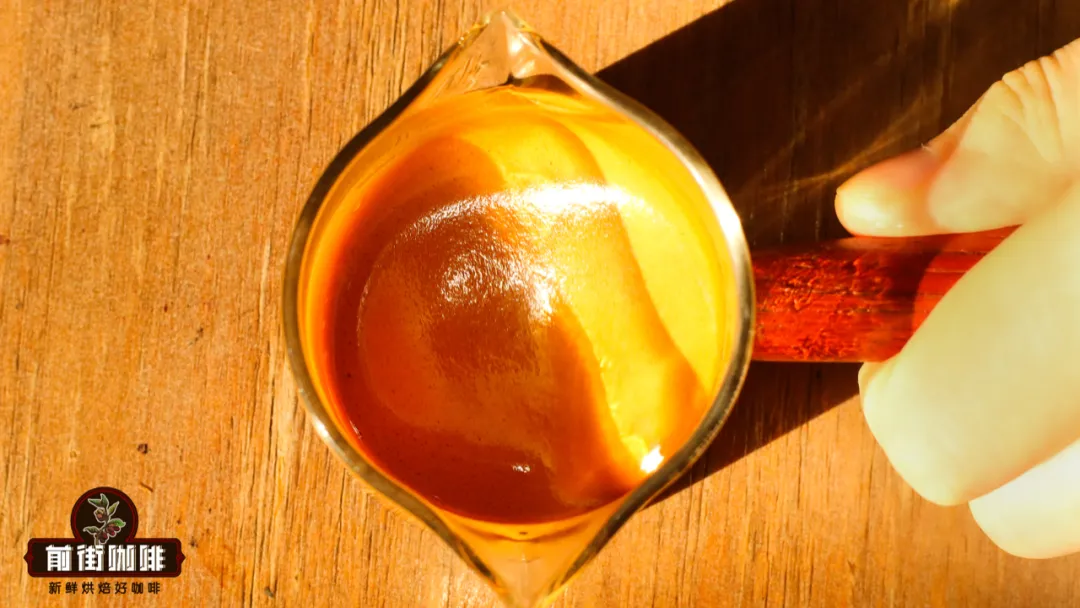
In summary, although the moka pot cannot fully replicate the delicate and long-lasting crema of an espresso machine, by understanding its pressure characteristics, adjusting grind and dosage, and selecting coffee beans with the right roast level, you can still extract a pseudo-crema layer with certain texture and flavor, adding a lot of enjoyment and depth to your daily coffee experience.
The above content is compiled by CoffeeHunters, a coffee news website.


