







Introduction:Jamaica Blue Mountain coffee is hailed as one of the world’s top-tier coffees, renowned for its rich, balanced flavor and long-lasting aftertaste. But with so many options on the market, how can you tell if it’s the real deal? This article delves into the geographic environment of the Blue Mountain region, the details of cultivation and processing, the official grading system, and key tips for identifying authentic beans—offering a comprehensive guide to this classic coffee from flavor to authenticity.
Blue Mountain coffee has long been regarded as a classic symbol in the coffee world, known for its rich aroma, smooth and balanced taste, and delicate, lingering aftertaste—making it synonymous with the ideal cup for many. However, in today’s trend toward specialty coffee that emphasizes bold fruit acidity and distinct regional characteristics, some feel that Blue Mountain’s flavor profile is not prominent enough, even appearing somewhat "bland." In reality, this perception is closely tied to shifting standards of coffee appreciation across different eras. In earlier times, people valued body, cleanliness, and sweetness in coffee, all of which Blue Mountain excels at. If you prefer traditional flavors, Blue Mountain remains an unmissable choice.
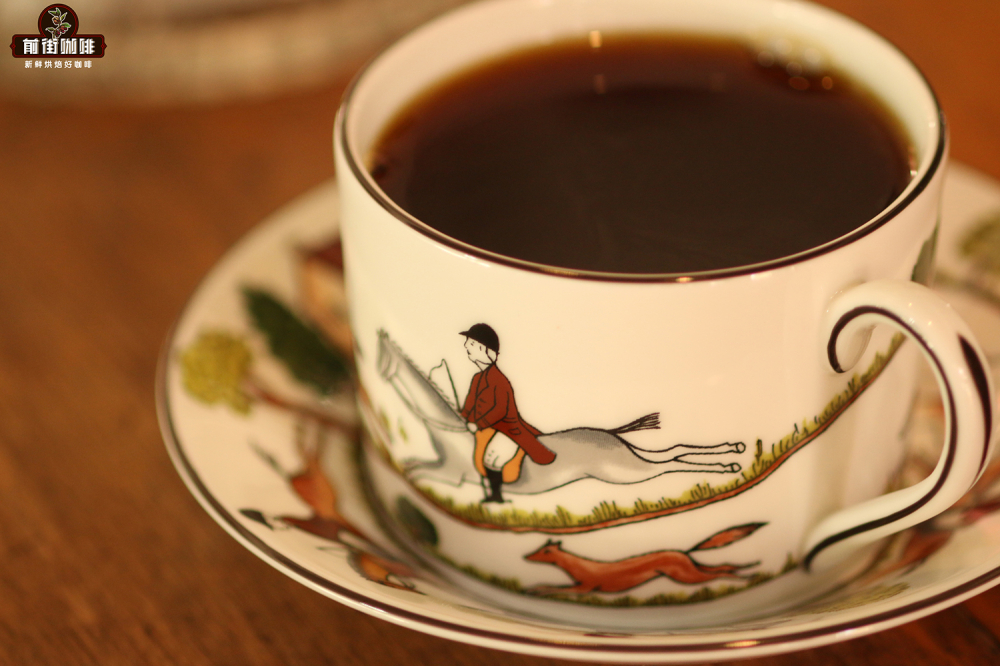
Authentic Blue Mountain coffee is made from high-quality Arabica beans grown in the core zone of the Blue Mountains in Jamaica. When roasted appropriately, these beans exhibit unforgettable aromas and flavors—not only smooth on the palate but also achieving a perfect balance that meets nearly all expectations for a premium cup. Especially when freshly roasted, its aftertaste is exceptionally refined and long-lasting, offering a dream-like experience for coffee enthusiasts.
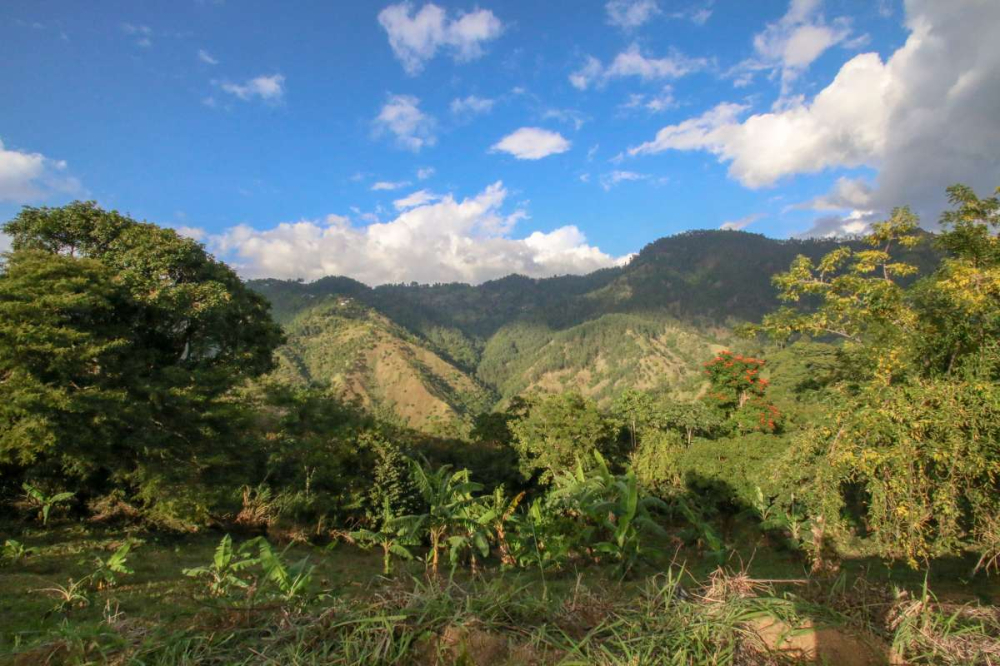
The Blue Mountains are located in eastern Jamaica. The name “Blue Mountain” comes from the way the surrounding Caribbean Sea reflects sunlight, giving the mountain peaks a shimmering sapphire-like glow. The main peak rises to 2,256 meters, making it the highest point in the Caribbean and a well-known tourist destination. This area belongs to a tropical high-altitude zone ideal for coffee cultivation, featuring a cool and moist climate with an average annual rainfall of about 1,980 mm, minimal diurnal temperature variation, and mineral-rich volcanic soil—all of which contribute to the unique flavor profile of Blue Mountain coffee. Coffee trees are mostly planted on terraces alongside crops like bananas and avocados, which provide shade and help maintain biodiversity.
It’s worth mentioning that most farms in the Blue Mountain coffee region are small-scale, family-run operations, with many plots cultivated by the same family for over two hundred years. Due to the challenging terrain, large machinery is hard to use, so harvesting and processing rely almost entirely on manual labor. This helps preserve a high degree of craftsmanship in the growing and production of Blue Mountain coffee. For example, some merchants sell beans sourced from the foothills of the Blue Mountains—specifically from Clydesdale Mountain, a sub-peak. This farm has existed since the 18th century, spans just 20 hectares, and is renowned for its meticulous management.
The pure flavor of Blue Mountain coffee is the result of a rigorous production process. Coffee cherries must be handpicked at optimal ripeness by skilled harvesters—picking too early or too late can negatively affect quality. The harvested cherries must have their outer skins removed on the same day, followed by 12 to 18 hours of fermentation, then thoroughly washed with clean water, and finally sorted. Next, the beans are sun-dried on concrete patios or thick mats until their moisture content drops to between 12% and 14%, after which they are stored and await roasting. Any slight mishap in this series of steps can impact the final flavor, so precision and care are essential at every stage.
Due to the rugged terrain and difficult harvesting conditions, Blue Mountain coffee has an extremely limited yield. Additionally, Japan has actively invested in Jamaica’s coffee industry since the 1960s and now holds the majority of priority purchasing rights for Blue Mountain coffee. According to past statistics, in 1992, over 80% of Jamaica’s exported Blue Mountain coffee went to the Japanese market, while the U.S. and UK received only 75 tons and 59 tons, respectively. To this day, around 90% of Blue Mountain coffee is shipped to Japan, leaving just 10% for the rest of the world—making authentic Blue Mountain coffee not only very expensive but also frequently in short supply. It wasn’t until 2010, when Jamaica signed a distribution agreement with the Hangzhou Coffee & Western Food Association in China, that Blue Mountain coffee gradually entered the Chinese market. The first shipment arrived at Ningbo Port in 2011.
Not all coffee grown in the Blue Mountains can be called “Blue Mountain coffee.” According to the regulations of the Jamaica Coffee Industry Board (CIB), only beans grown within the core zone of the Blue Mountains at altitudes of about 910 meters or higher, covering a total area of approximately 6,000 hectares, qualify to be labeled as “Blue Mountain coffee beans.” These beans are further divided into four grades based on size and shape: No. 1, No. 2, No. 3, and PB. Among them, No. 1 is the largest and most uniformly high-quality grade, with beans typically measuring 17 to 18 screens, and is widely recognized as the top-tier Blue Mountain coffee. No. 2 beans are around 16 screens, and No. 3 around 15 screens. PB (Peaberry) refers to the round bean grade, which is rare—usually accounting for less than 5% of total production. Due to their different shape compared to regular flat beans, PB beans are often sorted separately and can command prices comparable to No. 1 grade.
How can you identify genuine Blue Mountain coffee among so many products? The following three key points can help you judge:
1. Packaging and Wooden Barrels
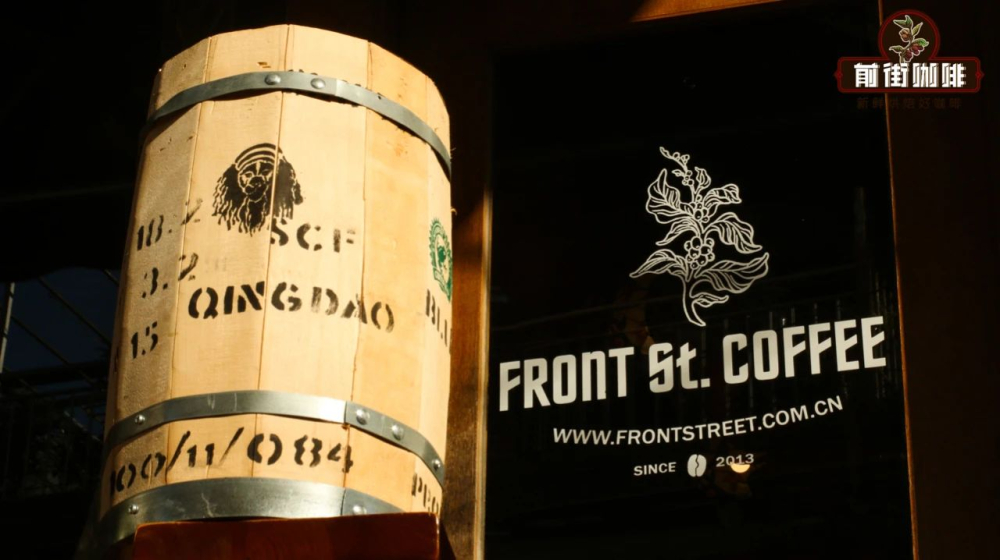
Authentic Blue Mountain coffee is often packaged in wooden barrels, with common capacities being 15 kg, 30 kg, and 70 kg. For example, some shops display 15 kg Blue Mountain barrels that may look plain but are actually a symbol of certified authenticity. Even if the barrel itself doesn’t reveal much information, as long as the source is reliable, the contents are genuine.
2. Verifying Certificates
All legally exported Blue Mountain coffee comes with relevant certificates issued by the Jamaican government, including: quality certificates, authorized sales certificates from the producing factories, and certificates of origin. Currently, Blue Mountain coffee on the market is processed by 4 government-certified factories and handled by 16 exporters. When purchasing, you can ask whether these documents are available. Some shops openly display authorized sales certificates from specific farms—for instance, those issued by the Clydesdale Farm are considered a trustworthy source.
3. Observing Bean Appearance
Genuine Blue Mountain green beans have a uniform appearance, consistent particle size, slightly flat and elongated yet plump shapes, and a light green color. Roasted beans appear dark brown with even coloration and an extremely low percentage of defective beans. By observing the beans’ appearance and packaging details, you can effectively reduce the risk of buying counterfeit products.
The above content is compiled by CoffeeHunters, a coffee news website.


