







Introduction:Is espresso too intense for beginners? This article offers a professional breakdown of the essence of this small yet powerful coffee, exploring the science behind extraction parameters, teaching you the correct way to taste it, and sharing tips on pairing with ice water and stirring. Whether you're trying it for the first time or looking to deepen your coffee experience, you’ll find practical guidance here.
Espresso has always been one of the most debated beverages in the coffee world. Some are deeply enchanted by its rich and bold flavors, while others are put off after their first taste due to its intensity and slight bitterness. Many newcomers walk into a café, see that espresso is affordably priced, and decide to give it a try—only to be served a tiny cup that turns out to be strong and bitter in one sip, often causing them to frown. So how exactly should this coffee be enjoyed to appreciate its layers and essence?
Historically, espresso was born in the early 20th century with the advent of the first commercial espresso machine, marking the beginning of modern espresso. However, early technology was limited—machines at the time couldn’t consistently maintain the standard 9-bar extraction pressure we have today, nor could they precisely control water temperature and extraction time. As a result, the flavor profile was quite different from what we expect now.
With continuous technological advancements, especially the introduction of the Faema E61 machine, the foundation of modern espresso gradually took shape. These machines allowed for more precise control over key variables such as extraction pressure, water temperature, and flow rate, enabling baristas to make finer adjustments based on bean characteristics. This led to consistently well-balanced, layered espresso extractions.
An ideal shot of espresso should achieve a perfect balance between acidity, sweetness, and bitterness, while also showcasing a distinct personality and a rich mouthfeel. After drinking, it should leave a lingering sweet aftertaste in the throat, rather than dryness or excessive bitterness. However, achieving this level of quality depends critically on every parameter—from dose, grind size, and extraction time to yield.
At some cafés, daily extraction parameters are adjusted according to changes in the shop’s temperature and humidity to ensure consistent flavor across every cup. Typically, the water temperature used is 94°C, which is a stable extraction temperature commonly used for espresso beans. Adjustable variables include: dose, grind size, extraction time, pressure, and yield.
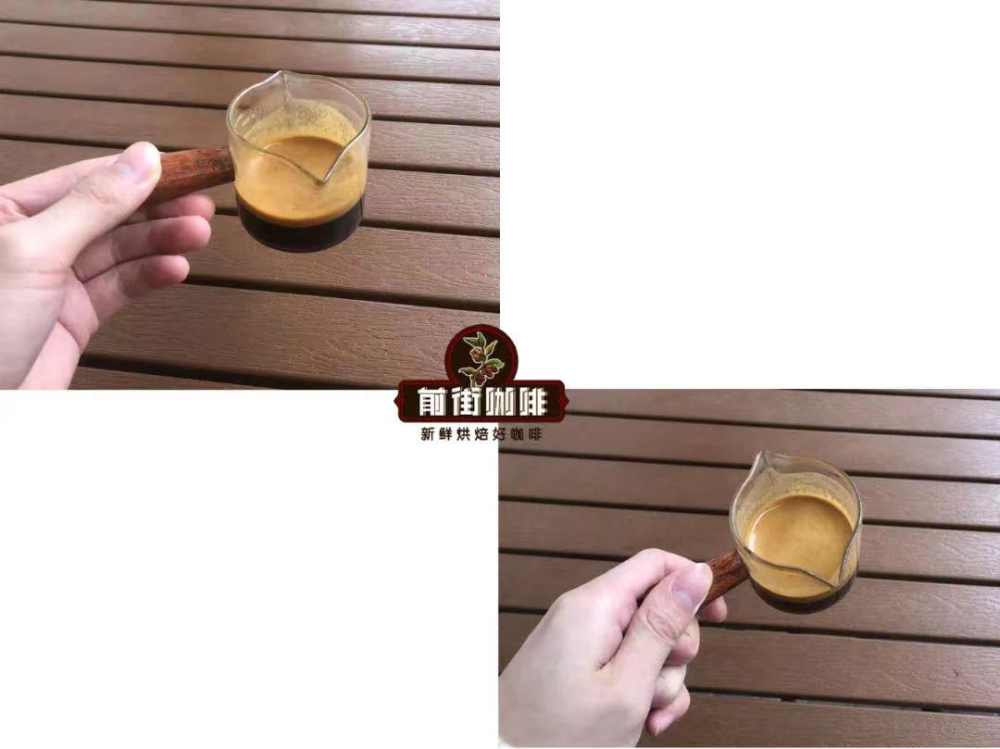
Taking practical operation as an example, after repeated testing and adjustments, the current setup uses a Galileo Q18 grinder with the grind size set to 1.5, dosing 19.7 grams of coffee grounds. Extraction is performed using a Lelit Bianca V3 machine, with the time controlled at 30 to 32 seconds, yielding 38 to 40 grams of espresso. Espresso extracted with these parameters typically exhibits rich flavors of chocolate, caramel, and cream, along with pronounced roasted nut aromas. The finish is highlighted by a long-lasting note of dark chocolate.
This blend is composed of coffee beans from Brazil, Indonesia, and Vietnam, roasted dark to enhance a full-bodied base and abundant crema. It’s not only great for drinking straight but also ideal for crafting various milk-based coffees like lattes and cappuccinos. Additionally, this bean works wonderfully as an americano when diluted with hot water, maintaining its layered flavors.
Of course, not everyone is accustomed to the bold intensity of espresso. If you find it too strong at first, consider using the small tools and drinks provided by the café: first, a small coffee spoonto gently stir the coffee, ensuring the fine grounds settled at the bottom are evenly distributed—resulting in a more consistent flavor in every sip. Second, a glass of ice water, which isn’t for making an iced americano, but rather to cleanse your palate before drinking, removing interference from other foods or beverages so your taste buds can better capture the delicate aromas and layers of the espresso.
Some customers also share a tip: if you really can’t handle the intensity of espresso, you can pour the shot into ice water to quickly adjust the concentration and texture, creating a DIY version similar to an iced americano. However, if you still don’t enjoy the flavor of espresso, opting for a refreshing iced americano might be a better choice.
In summary, drinking espresso is more than just taking a sip—it’s an art that combines science and sensory experience. By understanding the logic behind extraction parameters and mastering the nuances of tasting, you’ll be able to unlock an unprecedented richness of layers and flavor charm from this small cup of coffee.
The above content is compiled by CoffeeHunters, a coffee news website.


