







Introduction:Espresso is the centerpiece of a café’s menu, beloved by enthusiasts for its intense flavor and rich crema. This article delves into the definition of espresso, the mechanism behind crema formation, analyzes the roasting strategies and flavor pairing logic of common espresso blends, and provides a step-by-step guide to the entire process—from cleaning the portafilter basket and dosing the grind to completing the extraction. Special emphasis is placed on two key details: even distribution of grounds and parameter recording, helping you consistently produce well-layered, high-quality espresso.
On café drink menus, espresso remains an indispensable classic. This high-pressure, quickly extracted form of coffee not only influences the experience of single-origin tastings but also serves as the soulful base for milk-based drinks like lattes and cappuccinos. To master the secrets of making a qualified shot of espresso, you need to start with understanding its essence.
Espresso originates from Italy and is extracted under high pressure in a short period of time. A traditional single shot typically has a volume of about 30 milliliters and can be divided into three parts: the crema, the body, and the heart. The golden-brown crema on the surface is not only a visual highlight but also an important carrier of flavor.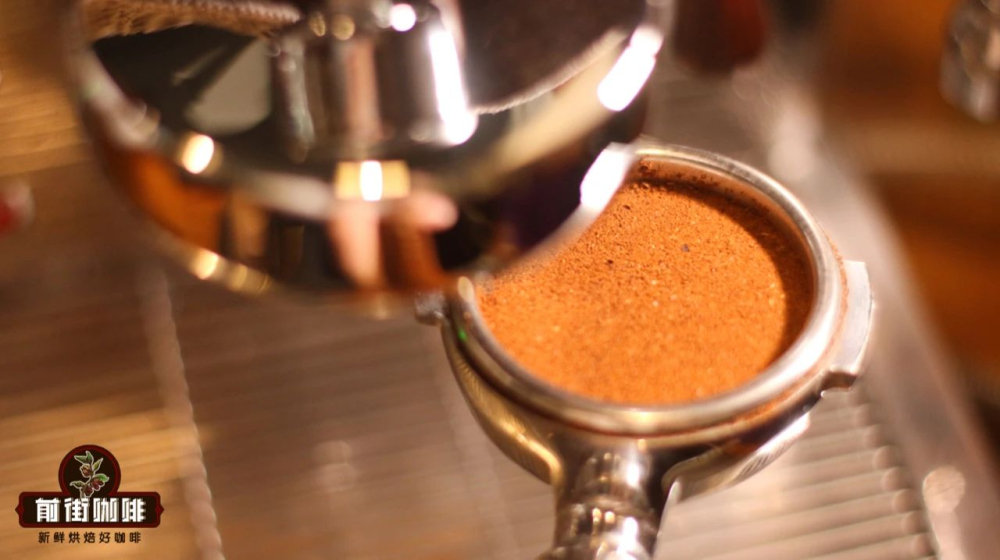
The formation of this crema is closely related to the high-pressure extraction process. When coffee grounds are ground to an extremely fine consistency and come into contact with hot water under 9 bars of pressure, the carbon dioxide within the grounds cannot be naturally released due to the pressure and instead dissolves into the liquid. At the same time, the high pressure causes the coffee oils to separate from the puck and be released along with the water flow. When the extraction ends and the pressure returns to normal, the remaining carbon dioxide tries to escape but is trapped by the surrounding oils, ultimately forming a stable crema layer.
The choice of espresso blend is also full of nuance. Professional baristas often mix beans from different origins to balance flavors, such as combining the nuttiness of Brazilian beans, the richness of Indonesian beans, and the sweetness of Vietnamese beans. Such combinations, after medium to dark roasting, can showcase rich layers while ensuring sufficient crema production. It’s worth noting that light-roasted beans, which tend to have prominent acidity and less crema, are generally not suitable for direct espresso preparation—if used in milk drinks, they can easily throw off the overall flavor balance, making the acidity overly dominant.
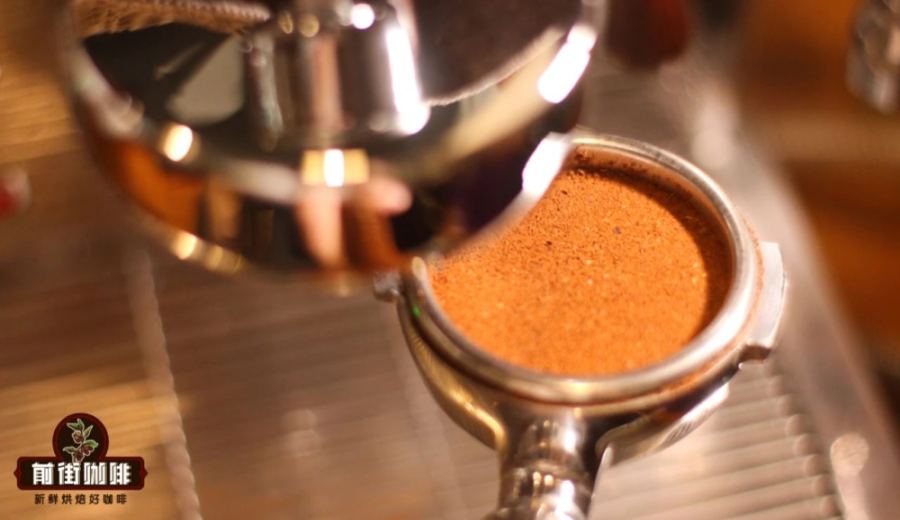
Next are the key steps in the practical process. First, thoroughly clean the portafilter basket to remove any residual oils or coffee grounds, avoiding negative impacts on the flavor of the next shot. Then place the portafilter on an electronic scale and tare it, accurately weighing an appropriate amount of coffee grounds (typically around 7–9 grams for a single shot), ensuring each dose is consistent. When dosing, pay attention to evenly distributing the grounds to prevent localized clumping, which could affect subsequent tamping.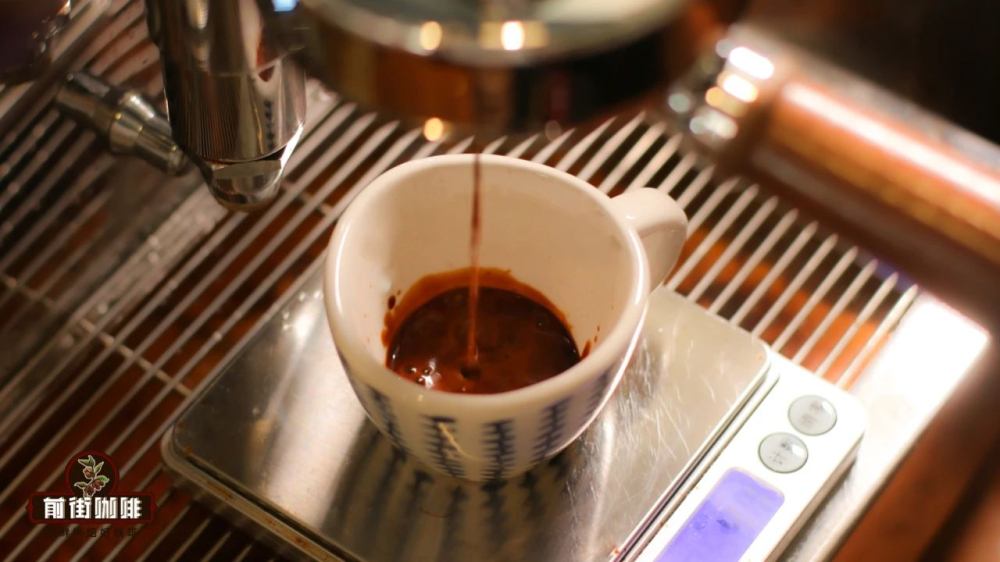
Distribution is a crucial step that determines the uniformity of extraction. Whether manually leveling or using a distribution tool, the goal is to create an even, flat surface of coffee grounds in the basket. When tamping, apply vertical pressure with force controlled between 15–20 kilograms (approximately 1.5–2 kg/cm² as shown on a home scale). Too light will result in a loose puck and channeling, while too heavy can impede water flow, leading to over-extraction.
When attaching the portafilter to the machine, do so carefully to avoid collisions that may cause cracks in the puck. Once extraction begins, immediately observe the flow rate and color changes. Normally, the coffee should be primarily amber in color, with a moderate initial flow rate and no obvious layering. Throughout the process, it’s recommended to simultaneously record the weight of the coffee grounds, the weight of the extracted liquid (about 25–30 ml for a single shot), and the time (typically 25–30 seconds)—these parameters will serve as key references for adjusting flavor.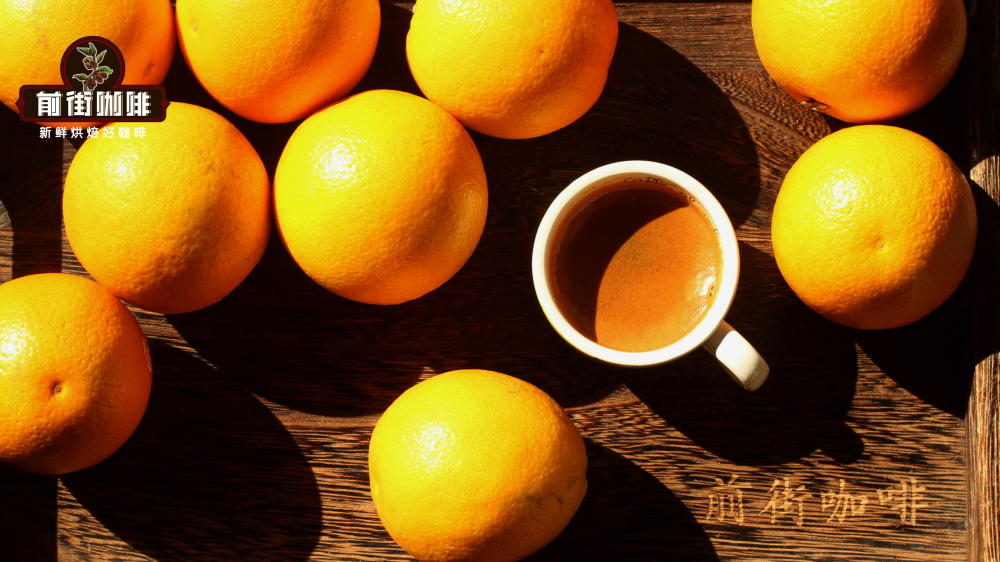
After extraction, gently tap the bottom of the portafilter to remove the coffee puck and thoroughly clean the interior of the portafilter. Two often overlooked details are worth special mention: first, during distribution, ensure there are no clumps or density differences, otherwise water will preferentially flow through areas of less resistance, resulting in some coffee grounds being under-extracted; second, always record parameters after each adjustment to grind size or dose, which helps reproduce ideal flavors. By repeatedly practicing these steps, even beginners can gradually master the technique of stable espresso extraction.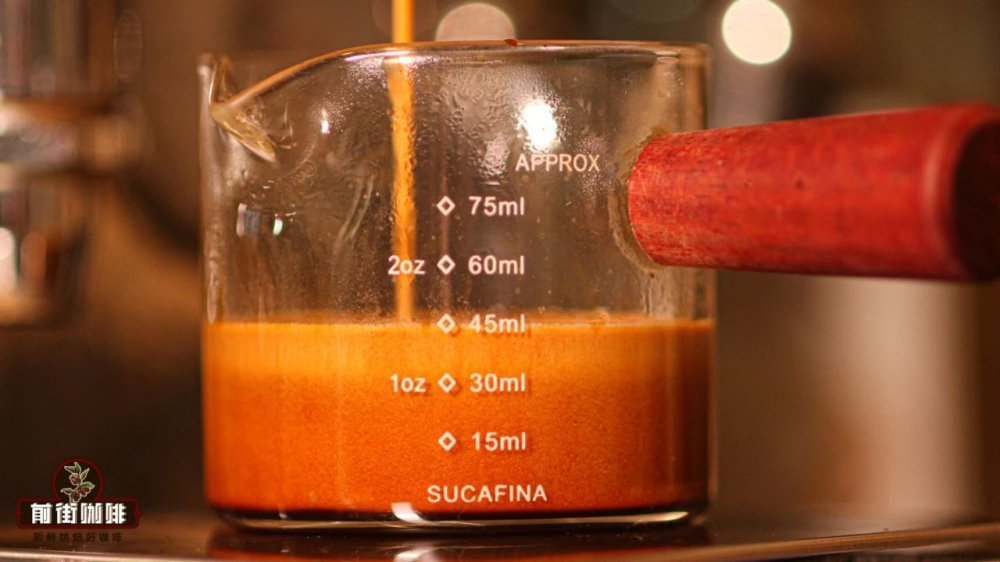
The above content is compiled by CoffeeHunters, a coffee news website.


