








Introduction:Spanish Latte is a popular coffee beverage in recent years, combining espresso, fresh milk, and condensed milk to create a rich yet non-bitter taste. This article delves into the origins of Spanish Latte, how it differs from a regular latte, and provides precise formula ratios and preparation methods. Detailed steps for both hot and iced versions are included to help you master this uniquely flavored coffee.
Walking into a modern café, you’ll often find “Spanish Latte” listed on the menu, attracting many coffee enthusiasts eager to try new flavors. But do you know how it differs from a regular latte? From the popular condensed milk coffee in Vietnam to Spain’s classic Café Bombón, condensed milk plays an important role in balancing bitterness in the world of coffee. This article will guide you through the origins, mixing ratios, and preparation methods of Spanish Latte, and compare its flavor differences with a regular latte.

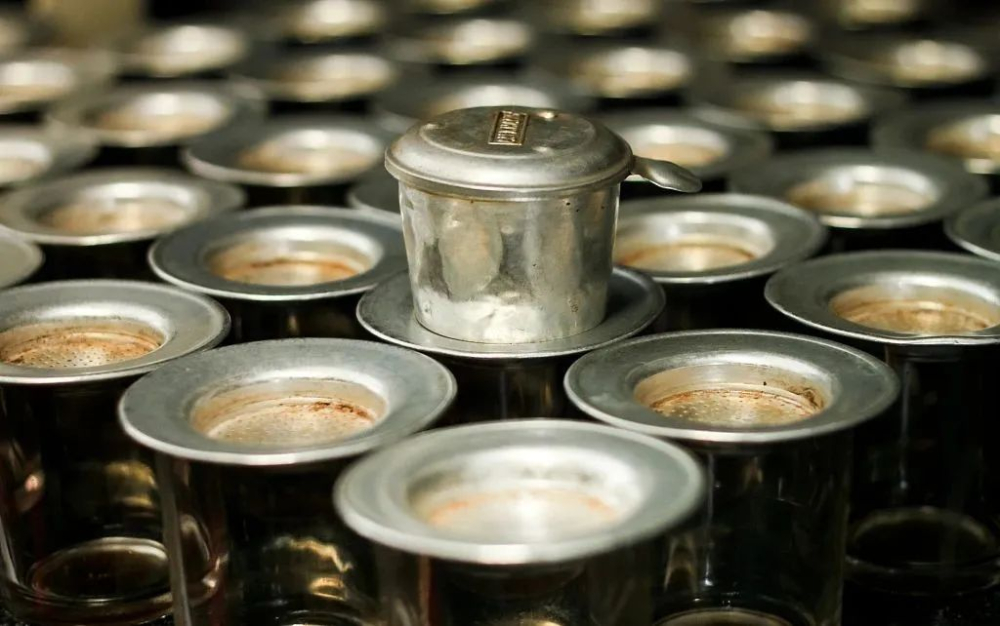
The reason condensed milk is often used in coffee is mainly because it effectively alleviates the intense bitterness brought by dark roasted coffee. Take Vietnam as an example, where Robusta beans are widely grown and roasted darker, resulting in coffee that is not only oily but also has distinct caramel and grainy notes, with a stronger bitterness. To balance this intense flavor, Vietnamese people commonly use high-sweetness condensed milk to make the iconic “cà phê sữa đá,” also known as Vietnamese iced drip coffee.
When you order a cà phê sữa đá in Vietnam, the server will first put the milky-white condensed milk into the cup, then slowly drip hot water into it. This method allows the coffee and condensed milk to naturally blend without the need for additional stirring, achieving a balanced sweet-to-bitter ratio. This tradition of using condensed milk to balance the bitterness of dark roasts has also influenced the creation of many other coffee beverages later on.
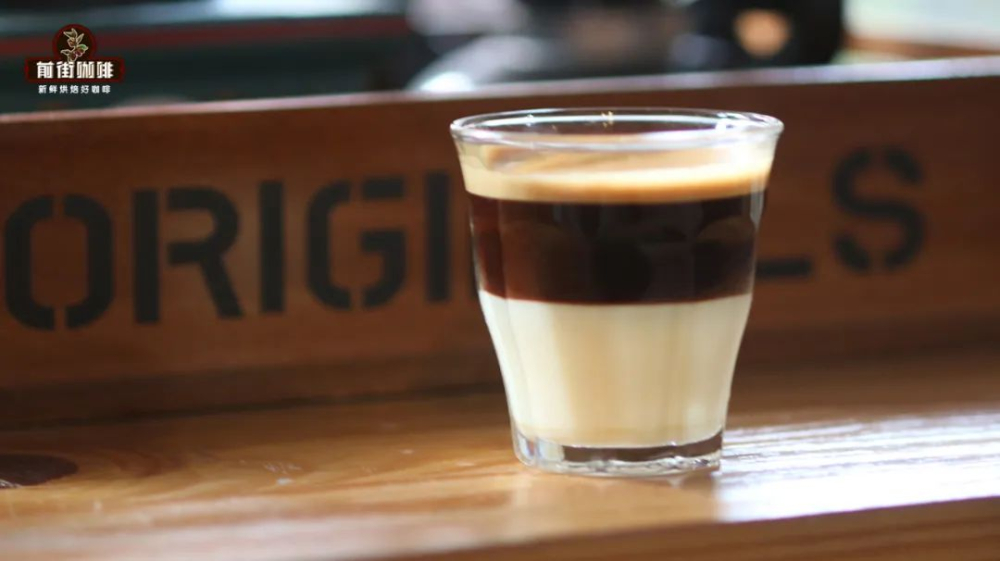
Meanwhile, Spain’s Café Bombón is another classic condensed milk coffee, with a relatively simple preparation: a 1:1 ratio of espresso and condensed milk, usually served in a small glass. When one shop recreated this drink, they used about 40 grams of espresso and added an equal amount of condensed milk. Since condensed milk is denser, if not stirred, the two will naturally separate, creating an attractive black-and-white contrast. This unstirred drinking method allows each sip to start with espresso and end with condensed milk, offering distinct layers, a rich taste, and no bitterness.
So, what exactly is the difference between Spanish Latte and a regular latte? Simply put, Spanish Latte is a regular latte with the addition of condensed milk. Its basic components include espresso, fresh milk, and condensed milk. The addition of condensed milk allows those who are sensitive to the bitterness of coffee to also enjoy its rich aroma.
The recommended formula for making Spanish Latte is: first extract 40 ml of espresso, then add 10 grams of condensed milk and stir well, followed by adding 200 ml of fresh milk heated to 55–65 degrees Celsius. If you want to make an iced Spanish Latte, you can start by placing about 75 grams of ice in the cup, pour in 200 ml of iced milk, then pour the espresso with 10 grams of condensed milk directly over the milk, and finally gently stir with a straw before enjoying.
The core of this drink lies in the choice of espresso and the ratio of condensed milk. Using a suitable blend can elevate the overall flavor. For example, using beans that are a blend of Ethiopian sun-dried red cherry and Honduran sherry cask can yield an espresso with notes of vanilla, cream, berries, and a hint of whiskey. When blended with milk and condensed milk, it creates a smooth texture like vanilla chocolate milk, while the condensed milk further enhances the overall sweetness, almost eliminating the bitterness.
In summary, the main difference between Spanish Latte and a regular latte is the addition of condensed milk, which makes the overall taste of the coffee smoother, sweet without being cloying, and more suitable for those new to espresso. Whether hot or iced, as long as you get the ratio of espresso, milk, and condensed milk right, you can easily recreate this globally popular coffee at home.
The above content is compiled by CoffeeHunters, a coffee news website.


