








Introduction:Siphon coffee, with its unique brewing method and rich aroma, attracts many coffee enthusiasts to give it a try. This article delves into the historical background, design structure, and operational principles of the siphon pot, while also detailing the key points and practical tips for each step to help you master this classic yet somewhat challenging coffee brewing method.
Among the various coffee brewing methods, siphon coffee (also known as siphon or vacuum pot) has consistently maintained a loyal following due to its unique vacuum extraction principle and ritualistic brewing process. Compared to the clear layers of pour over coffee or the rich simplicity of a French press, siphon coffee delivers a fuller, more intense flavor while exuding an enchanting aroma, making it highly favored by coffee drinkers seeking distinctive taste profiles. This article will take you from the historical origins of the siphon pot, gradually exploring its design structure, filtration system, and the key factors involved in the brewing process. Whether you’re a beginner or an enthusiast aiming to further refine your skills, you’ll find practical guidance here.

The English name for siphon coffee is “SIPHON,” hence it is also commonly referred to as a siphon pot. Its operating principle involves heating the lower chamber, causing the water to produce steam under heat, which then creates a pressure difference that pushes the water up into the upper chamber to mix with the coffee grounds. When the heating is stopped, the temperature drops, creating negative pressure that causes the extracted coffee liquid to flow back down through the central vacuum tube into the lower chamber, completing the entire extraction process. This design, which utilizes thermal expansion and atmospheric pressure, not only operates on scientific principles but also gives siphon coffee a unique visual and hands-on experience.
The history of the siphon pot can be traced back to the early 19th century, even nearly a hundred years earlier than the popularization of pour over coffee. Historical records indicate that in 1826, German physicist Johann Norremberg created an early siphon device using laboratory equipment. At the time, it was mainly designed to demonstrate the power of steam to students and thus was not patented or widely disseminated. It wasn’t until 1842 that French inventor Marie Fanny Amelne Massot improved the device, designing a siphon pot with an up-and-down convection structure and successfully obtaining a patent. This allowed siphon coffee equipment to enter the market. Around the same period, Scottish engineer Robert Napier also designed the Napier coffee pot, which operated on a vacuum principle. Although it received recognition from the Institution of Mechanical Engineers in 1856, it too was not patented. These early innovations laid the foundation for the prototype of today’s siphon pot and gradually spread across Europe and the United States. However, with the rise of automatic drip coffee machines, the visibility of siphon coffee declined in some markets.
Although siphon coffee and pour over methods appeared in specialty coffee shops around the same time, their usage frequency is significantly lower than that of pour over. Even so, for coffee enthusiasts who seek unique flavors and the enjoyment of the brewing process, the siphon pot remains irreplaceably charming. Its operation may seem a bit more complicated, but once the essentials are mastered, it can be easily handled, offering a one-of-a-kind coffee experience.
What siphon coffee is most talked about is its distinctly different flavor profile compared to pour over. Generally speaking, pour over coffee tends to have a clearer, more layered flavor, with acidity and sweetness being easily discernible; whereas siphon coffee offers a richer, fuller body, with a strong and lingering aroma, resulting in an overall more robust flavor that suits those who prefer bold styles.
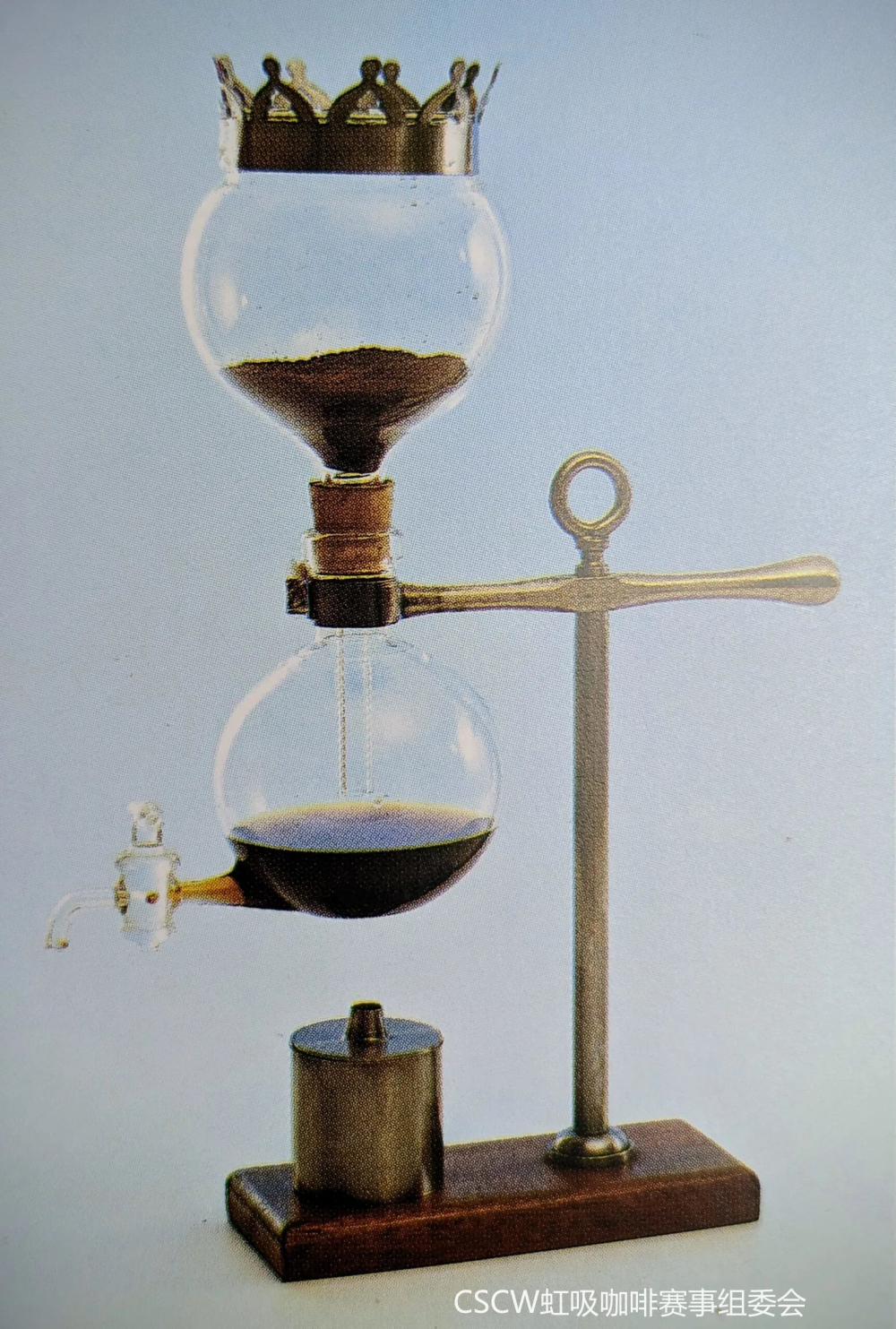
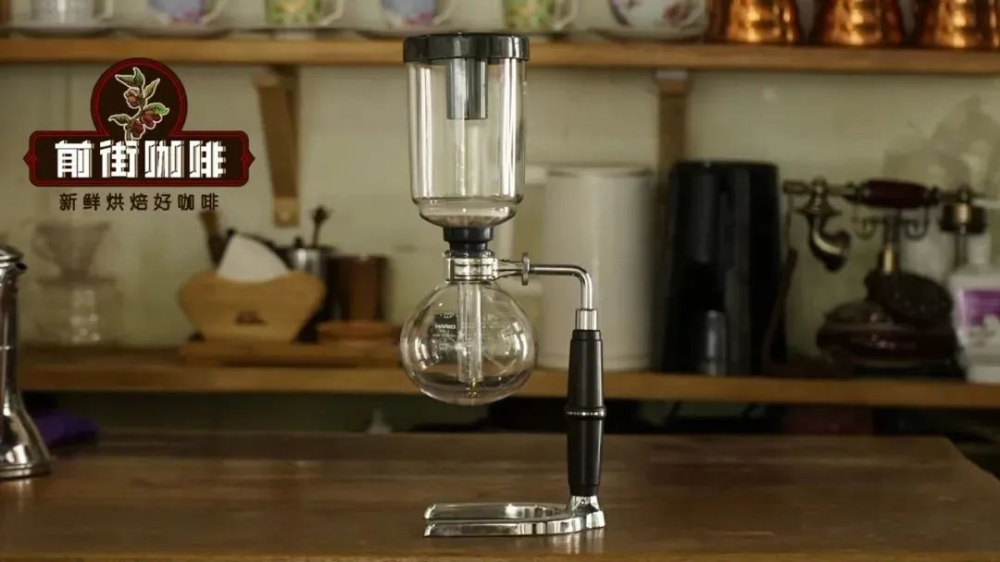
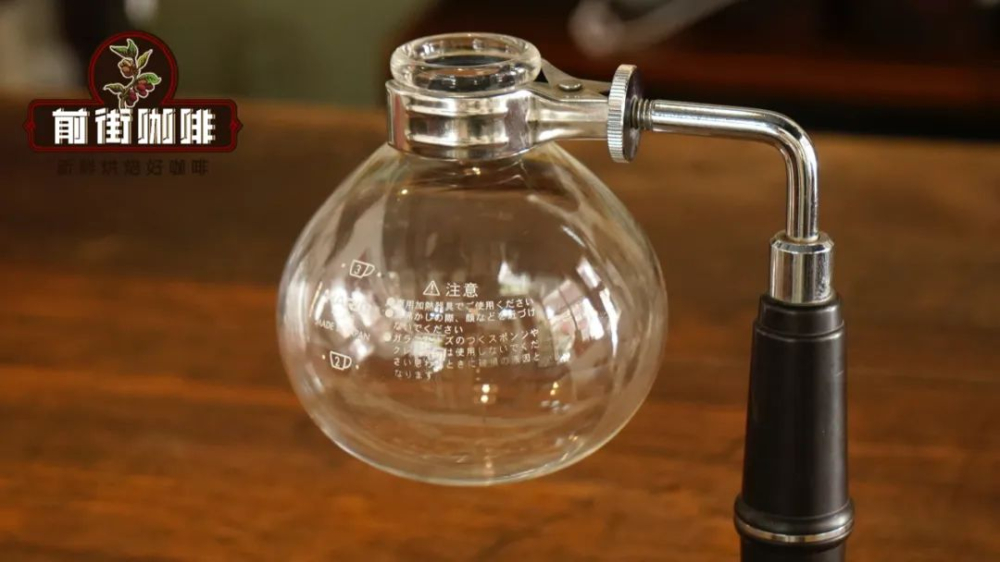
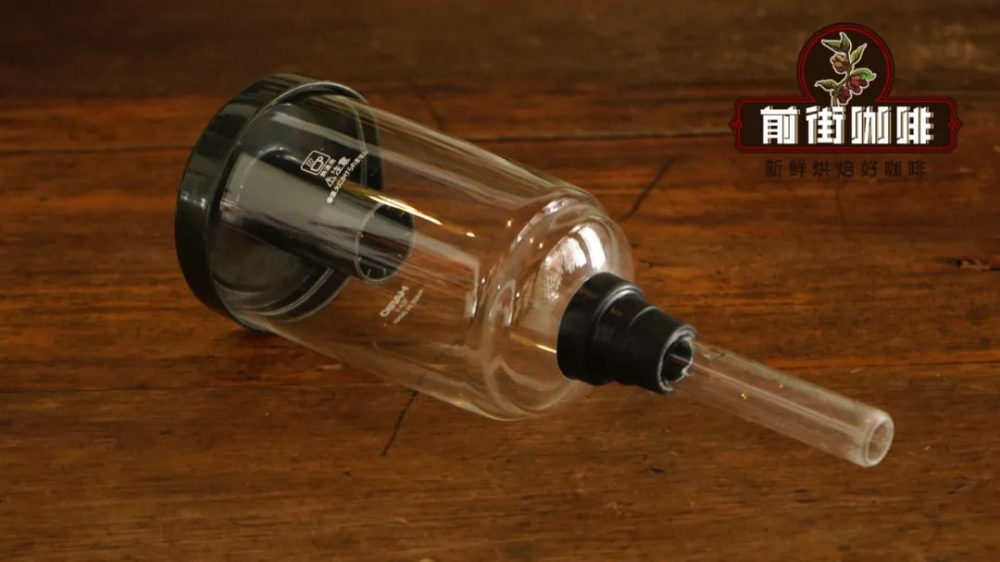
Next, let’s take a closer look at the basic structure of the siphon pot. A standard siphon pot mainly consists of three parts: the upper chamber, the lower chamber, and the stand. The function of the stand is to stabilize the lower chamber, keeping it suspended to facilitate heating and operation. The lower chamber is usually spherical in design, a shape that helps distribute heat evenly during heating, improving thermal efficiency. The upper chamber, on the other hand, is cylindrical with a narrowed base and connected to a slender vacuum tube. This tube has an increasingly narrow opening toward the bottom and is sealed with a heat-resistant gasket to ensure no air or water leaks out during heating, maintaining a stable pressure difference.
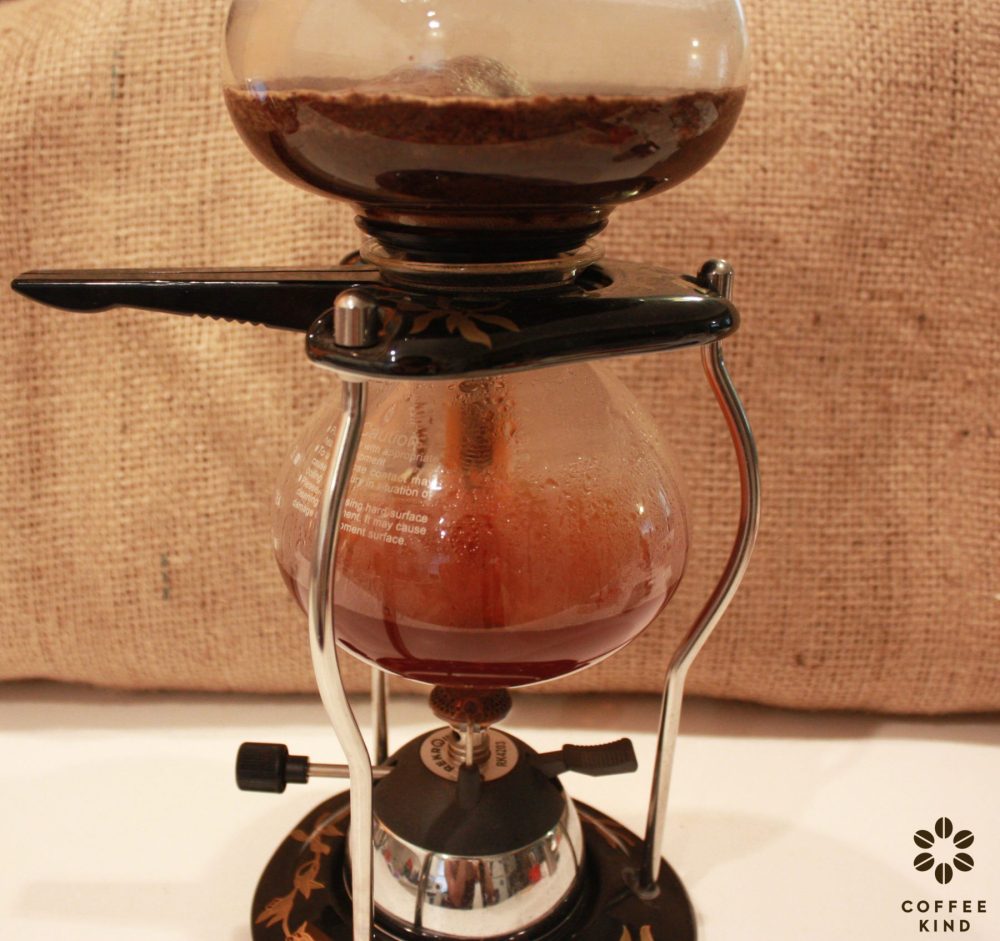
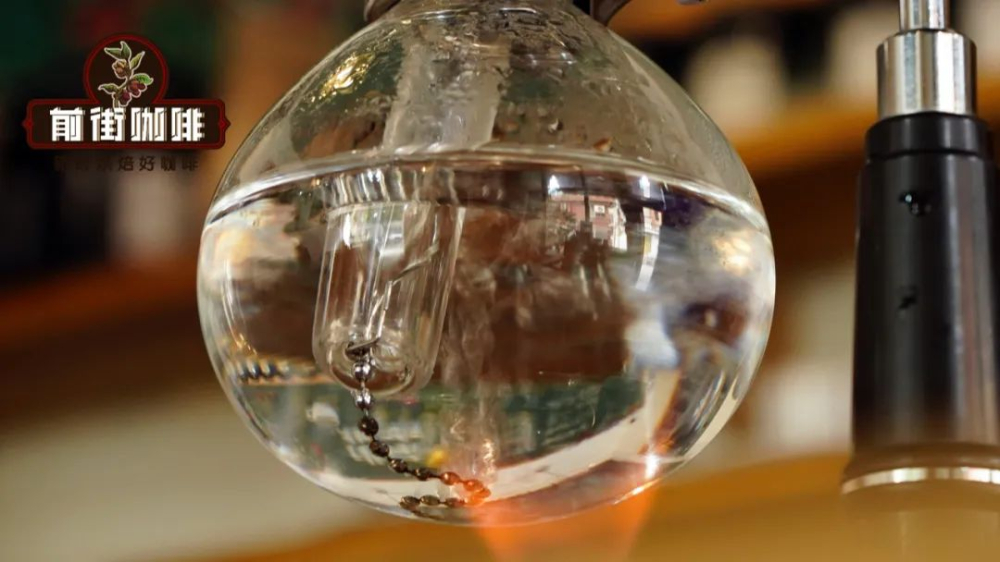
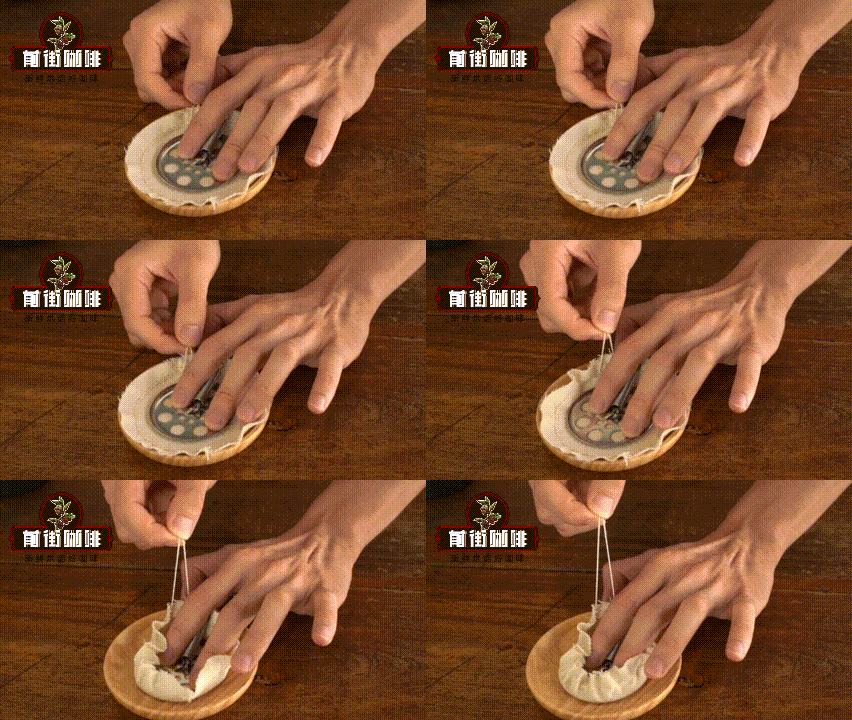
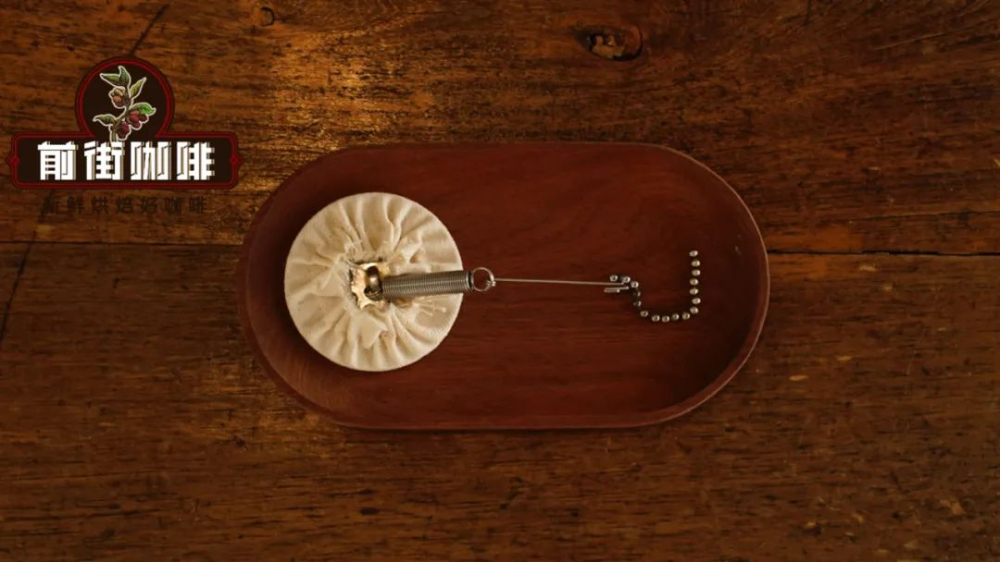
In addition to the pot itself, the filtration system of siphon coffee is another crucial factor influencing extraction quality. To prevent coffee grounds from mixing into the beverage, the siphon pot employs a special filtration device, primarily consisting of a circular metal disc and a chain with a spring. Before use, this metal disc needs to be wrapped with specialized filter material, most commonly a specially made felt filter cloth. During installation, the filter cloth is tightly wrapped around the metal disc and secured through a double-sided narrowing design, then tied with thin thread and any excess trimmed off, ensuring the filtration system is tight and unlikely to shift. Once completed, this assembly is placed inside the upper chamber, ready for coffee brewing.



The above content is compiled by CoffeeHunters, a coffee news website.


