







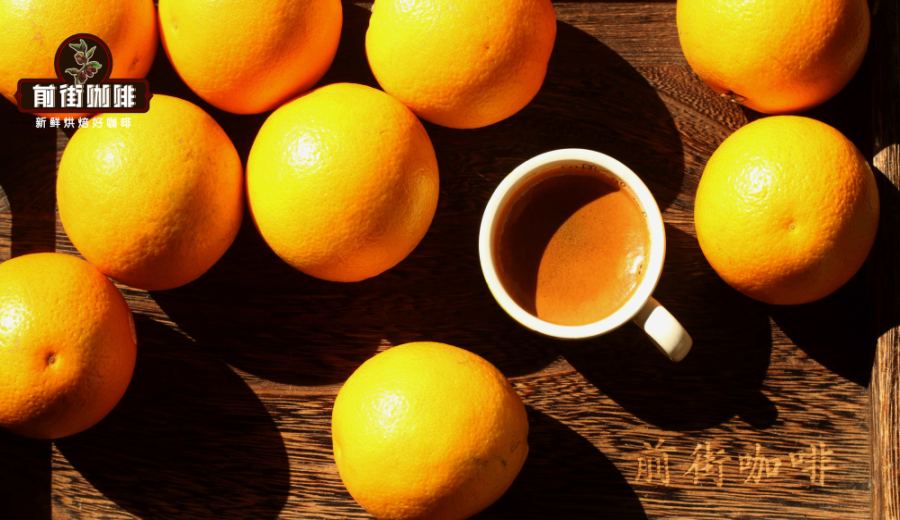
Introduction:Have you ever tried an espresso with lemon? The Espresso Romano from Italy is a clever creation from a challenging era, balancing the bitterness of dark-roast beans with lemon and sugar. This article details the origins, ingredients, precise ratios, and practical brewing tips for this sweet-and-sour espresso, along with how to adjust the acid-sweet balance based on roast level—so you can easily recreate this classic Italian drink at home.
Lemon’s fresh, acidic quality is often used to describe certain flavors in coffee. When a single-origin coffee shows a bright, vibrant acidity paired with refreshing aromas, it’s easy to associate it with lemon. But in Italy, there’s an espresso that isn’t just “lemony-smelling”—it actually contains lemon juice: the Espresso Romano. Born during economic hardship and postwar times, when people sought to soften the harsh bitterness of dark-roast, low-quality beans, someone had the idea to add lemon and sugar, creating a drink with a balanced sweet-and-sour profile. This article will take you through its historical background, ingredient prep, step-by-step brewing, and the full story behind this classic.

Lemons, with their high acidity and intense aroma, are often used in the coffee flavor wheel to describe certain bright, acidic flavor notes. When evaluating a coffee, if it shows a fresh, lively acidity with a clean scent, tasters might describe it as “lemony.” But that’s just a sensory association. The real deal—actually incorporating lemon into espresso—is the Italian Espresso Romano, which lets drinkers experience the true tartness and aroma of lemon juice firsthand, offering a truly unique taste sensation.
The origins of Espresso Romano are closely tied to Italy’s social context at the time. Ever since Italians invented the espresso machine and moka pot, espresso quickly became part of daily life. But during economic crises and WWII, Italy could only access dark-roasted, low-quality beans. These beans often had intense burnt bitterness and harshness, which many consumers found unpleasant. To mitigate this unappealing bitterness, people started adding other elements to their coffee—most commonly lemon and sugar. Acid and sweetness effectively neutralize bitterness, especially when dark-roast flavors dominate, making lemon’s fresh acidity particularly valuable. Interestingly, though called “Roman Espresso,” local customs and legends suggest this drink likely didn’t originate in Rome but in Italy’s southern Campania region, a major lemon-producing area, making it the natural choice for adding lemon juice.

Over time, Espresso Romano became standardized: besides the espresso itself, it includes lemon juice and granulated sugar. Today, this coffee remains quite popular in southwestern Italy, with slight regional variations in name and details, but the basic method stays largely the same. If you’re curious how to make this sweet-and-sour Italian classic, let’s dive in and learn how to brew it.
The ingredients for an Espresso Romano are simple: one standard shot of espresso, one fresh lemon, and about 10 grams of white granulated sugar. For the espresso extraction, we recommend these parameters: use around 20 grams of coffee grounds, with a 1:2 brew ratio, and extract for about 30 seconds. These conditions yield a rich, balanced shot, providing a solid foundation for adding lemon and sugar.
Once you’ve pulled the espresso, the next step is pouring it into a cup with the sugar already added. There are two common ways to incorporate the lemon: either directly squeeze the juice or place a small lemon slice in the cup, letting the hot coffee naturally draw out the juice. The difference lies mainly in the intensity of the lemon flavor—adjust based on your coffee’s roast level. Generally, the darker the roast, the stronger its inherent bitterness, so more lemon juice is needed to balance it, along with a proportional increase in sugar. For example, with a medium-dark roasted blend like “Warm Sun,” whose bitterness isn’t particularly pronounced, just about 4 ml of lemon juice achieves a well-balanced sweet-and-sour profile.

After adding the lemon juice (or lemon slice) and sprinkling the sugar, remember to stir gently with a spoon—or just swirl the cup—to fully combine the coffee, lemon, and sugar. This step is crucial for even flavor distribution, preventing overly sour or sweet patches. Once mixed, your unique Espresso Romano is ready to enjoy.
When all elements come together perfectly, the Espresso Romano delivers surprising flavors: the intense bitterness of the espresso is softened by the lemon’s bright acidity, while the sugar mellows the sharp sourness, resulting in a smooth, layered sweetness. Common tasting notes include whiskey-like spirits, buttery cookie richness, and caramelized sweetness—making it a great choice for coffee lovers who enjoy balanced sweet-and-sour profiles. Of course, if you prefer pure, strong bitterness, this might not be for you, but for anyone exploring the diverse flavors of Italian coffee, it’s definitely worth a try.

The above content is compiled by CoffeeHunters, a coffee news website.


