








Introduction:Ethiopia is the birthplace of Arabica coffee, with the three major regions—Yirgacheffe, Sidamo, and Guji—each boasting distinct characteristics, often leaving beginners unsure of which to choose. This article delves into the geographical origins, altitude conditions, and processing methods of these three regions, compares their flavor profiles, and supplements the analysis with brewing recommendations and parameter settings for specific beans, helping you find the one that suits your palate best—from citrus and floral notes to winey chocolate.
When it comes to specialty coffee from Ethiopia, most coffee enthusiasts have hesitated between Yirgacheffe and Sidamo. These two regions are not only geographically close but also share coffee flavors that combine bright acidity with complex fruitiness. However, upon closer tasting, each has its own unique charm. This article will explore the background of the regions, altitude, climate conditions, and processing methods to help you understand the distinctive personalities of Yirgacheffe and Sidamo in depth. It will also introduce the characteristics of the Guji region and provide detailed brewing suggestions and parameter settings using representative washed and natural-processed beans as examples, allowing you to discover your own coffee preferences.
Among the many Ethiopian single-origin beans, Yirgacheffe and Sidamo have always been the focus of both specialty coffee shops and enthusiasts. These two regions are not only adjacent but also produce distinctly flavored coffee beans due to differences in altitude and microclimate. Yirgacheffe is known for its fresh citrus, jasmine, and tea-like qualities, making it a popular entry point for many into specialty coffee. In contrast, Sidamo, with its slightly lower altitude, offers rounder flavors, prominent sweetness, and, when naturally processed, often exhibits layers reminiscent of winey chocolate. Understanding these differences can help you more accurately select beans that match your taste preferences.
Yirgacheffe was originally a small town within the Sidamo province, and its name carries poetic meaning—"Yirga" means "to settle or reside," and "Cheffe" means "wetland." Together, they mean "let us make our home in this wetland." Over time, Yirgacheffe not only became an independent region but also synonymous with Ethiopian specialty coffee. In fact, Ethiopia is not only the birthplace of Arabica coffee, but its Kafa Forest is considered a genetic treasure trove of coffee, still preserving a large number of wild coffee varieties.
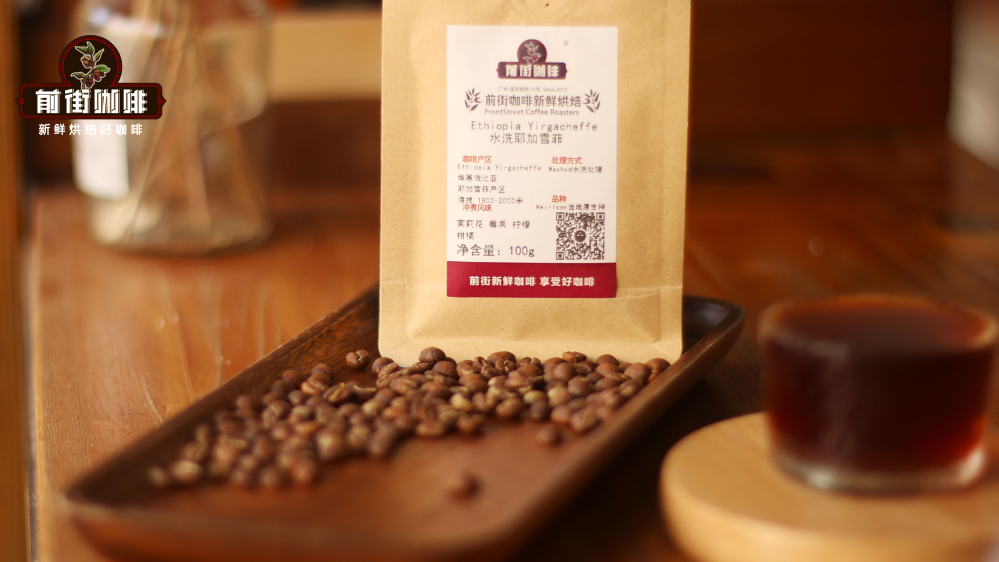
For beginner coffee enthusiasts, Yirgacheffe is often the first stop in exploring single-origin coffee. Its washed version is renowned for its bright lemon acidity, jasmine floral notes, and tea-like aftertaste, offering a refreshing yet layered taste that is perfect for those who enjoy fruity acidity and floral aromas. On the other hand, the naturally processed Yirgacheffe, such as the Konga Natural Red Cherry from a well-known shop, showcases richer fruitiness, honey-like sweetness, and softer acidity, resulting in a sweeter and fuller overall profile. The two processing methods lead to vastly different flavor directions, highlighting the diversity of the region.
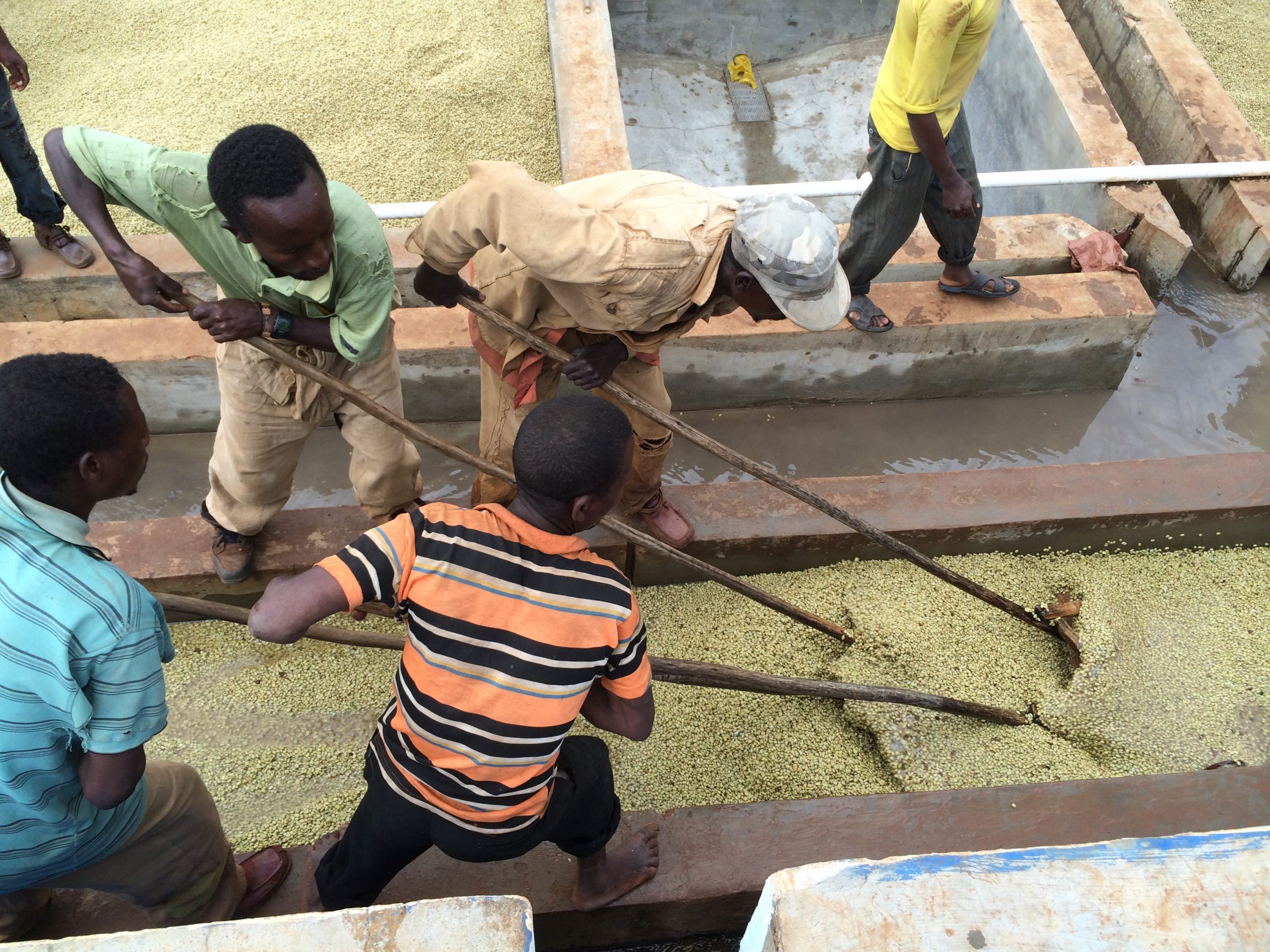
It’s worth mentioning that before Ethiopia introduced washed processing techniques in the 1970s, traditional natural processing was the norm. However, the quality of natural-processed coffee at the time was inconsistent and prone to off-flavors. With the widespread adoption of washed processing, Yirgacheffe’s coffee gradually became dominated by the washed method, creating its classic bright, lively acidity. Nevertheless, some batches of natural-processed beans, through refined pulp fermentation processes, can also exhibit highly layered wine-like aromas and rich sweetness. For instance, some natural-processed beans from Sidamo are often described as having the captivating flavor of "winey chocolate."
When comparing Yirgacheffe and Sidamo, there are clear differences in altitude, climate, and flavor profiles. Yirgacheffe’s average altitude exceeds 2,600 meters, while Sidamo ranges between 2,100 and 2,300 meters. The higher altitude means lower temperatures and slower ripening of coffee cherries, allowing for more thorough accumulation of flavor compounds and amino acids in the beans. This results in finer acidity, richer aromas, and a more elegant mouthfeel. Therefore, Yirgacheffe’s coffee typically features more pronounced citrus notes, fresh floral aromas, and tea-like aftertastes, whereas Sidamo offers rounder sweetness, a fuller body, and diverse fermentation layers.
Taking specific beans as examples, the washed Guo Ding Ding from a certain coffee shop comes from the Guo Ding Ding cooperative in Yirgacheffe, at an altitude of about 2,000 to 2,100 meters. It uses local heirloom varieties and washed processing, presenting clear aromas of orange peel, citrus, cherry blossoms, and lemon. The taste is refreshing with an aftertaste of creamy and caramel sweetness. Meanwhile, the natural Huagui from a certain coffee shop comes from Sidamo, at an altitude of 2,250 to 2,350 meters, also using heirloom varieties and natural processing. Its flavor showcases intense berry juice-like notes, citrus black tea undertones, and persistent sweetness, with some batches even featuring wine-like aromas and deep chocolatey layers.

To fully highlight the characteristics of these two beans, it is recommended to use a Hario V60 #01 filter cone, with water temperature controlled at 90–91°C, a coffee dose of about 15 grams, a brew ratio of 1:15, and a grind size based on 80% extraction through a Chinese standard No. 20 sieve. The V60’s 60-degree conical design and clockwise spiral ridges ensure even water flow through the coffee grounds. The large holes and fast flow rate help balance the extraction of acidity and flavors, making it particularly suitable for emphasizing the high acidity and brightness of Yirgacheffe and Sidamo.
The specific brewing steps are as follows: First, pour 30 grams of water for a 30-second bloom, then add 95 grams of water (totaling about 125 grams) within about 1 minute. When the water level drops to two-thirds of the coffee bed, add another 100 grams of water (totaling about 225 grams) over approximately 1 minute and 40 seconds to 1 minute and 45 seconds. Finally, let the coffee drip through between 2 minutes and 2 minutes and 10 seconds. These parameters effectively extract bright fruit acidity and delicate floral notes while avoiding over-extraction that could lead to bitterness.
In the final flavor profile, the Guo Ding Ding from a certain coffee shop offers an entrance of citrus, black tea, and subtle floral notes. As the temperature changes, the aftertaste reveals creamy, caramel, and almond sweetness, with an overall clean, refreshing taste and a long-lasting finish. The Huagui from a certain coffee shop, on the other hand, is based on citrus acidity, paired with berry-like juiciness and lemon black tea undertones, featuring noticeable and sustained sweetness. It is suitable for those who enjoy rich layers and a fuller mouthfeel.
Whether you prefer the refreshing citrus and floral notes or the rich winey chocolate and berry sweetness, the three major regions of Yirgacheffe, Sidamo, and Guji offer distinctly different coffee experiences. By understanding their regional characteristics, processing methods, and brewing parameters, you’ll be able to confidently choose the Ethiopian coffee that best suits your taste.
The above content is compiled by CoffeeHunters, a coffee news website.


