







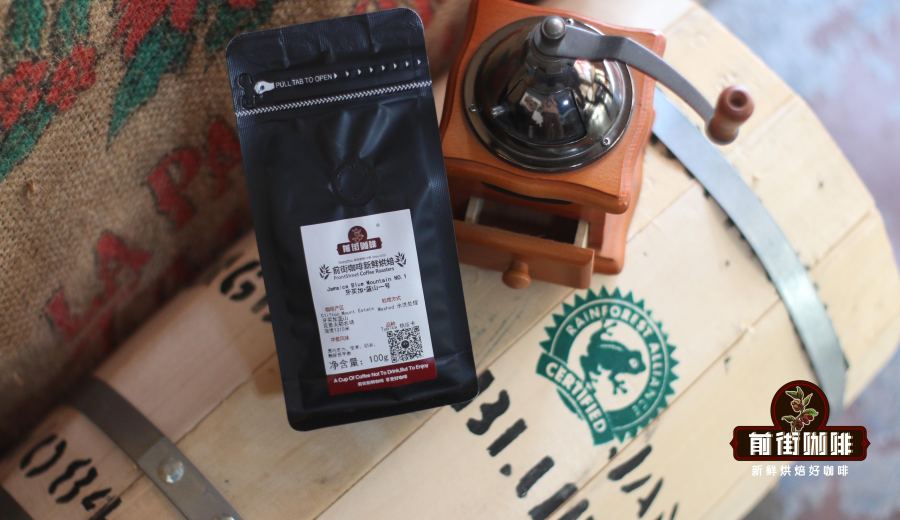
Introduction:Jamaican Blue Mountain coffee has long been hailed as the pinnacle of the coffee world, yet its authenticity is hard to verify and its price is steep, deterring many coffee enthusiasts. This article delves into the growing conditions of Blue Mountain coffee, the official CIB grading system, why "Blue Mountain No. 1" stands at the top of specialty coffee, and provides professional pour over brewing recommendations — offering a comprehensive understanding of this legendary coffee from flavor to technique.
Jamaican Blue Mountain coffee is arguably one of the most iconic names in the coffee world, but also one of the most frequently counterfeited. Walk into any café, and you might see labels like “Blue Mountain flavor” or “Blue Mountain blend.” However, these are mostly marketing terms with no real connection to authentic coffee from Jamaica’s Blue Mountain region. So, what is the true value of genuine Jamaican Blue Mountain coffee? What makes it the pinnacle of specialty coffee? This article will explore all aspects of this legendary bean — from terroir and official grading to authenticity checks and common pour over practices in cafés.
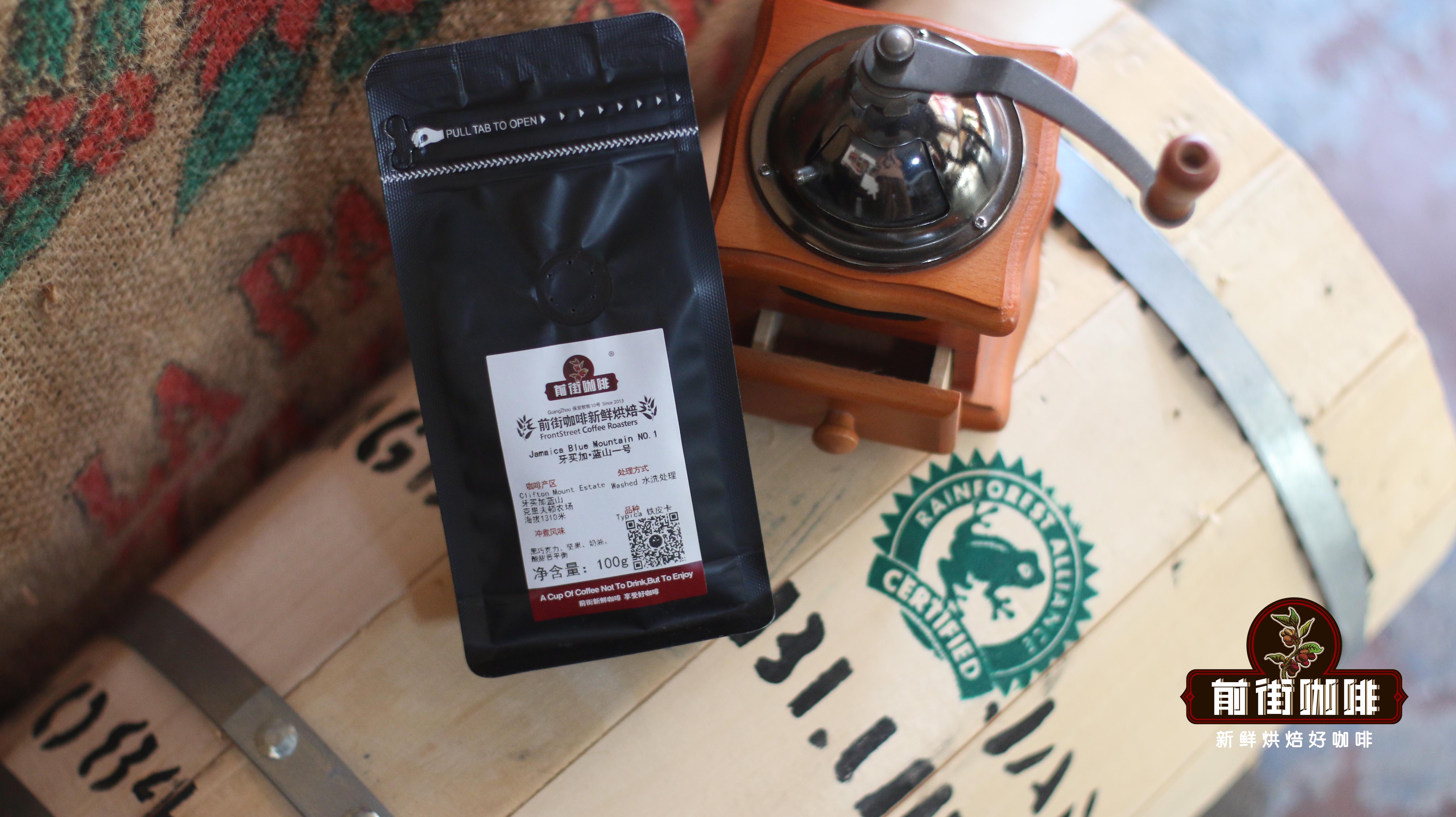
When it comes to Blue Mountain coffee, many people’s first reaction is: “Is there real Blue Mountain coffee in Taiwan?” The answer is yes, but due to its rarity and high price, the market is flooded with misleading products. Searching for “Blue Mountain coffee” often brings up numerous articles on how to distinguish the real from the fake — precisely because there are so many counterfeits. Common misleading labels such as “Blue Mountain flavor,” “Blue Mountain blend,” or “Blue Mountain instant” have nothing to do with genuine Jamaican Blue Mountain coffee. However, since 2011, media reports have indicated that Chinese importers have directly purchased Blue Mountain green beans from Jamaica, and the official website of the Jamaica Coffee Industry Board (CIB) now lists several authorized exporters from mainland China, proving that authentic beans are indeed available in the market.
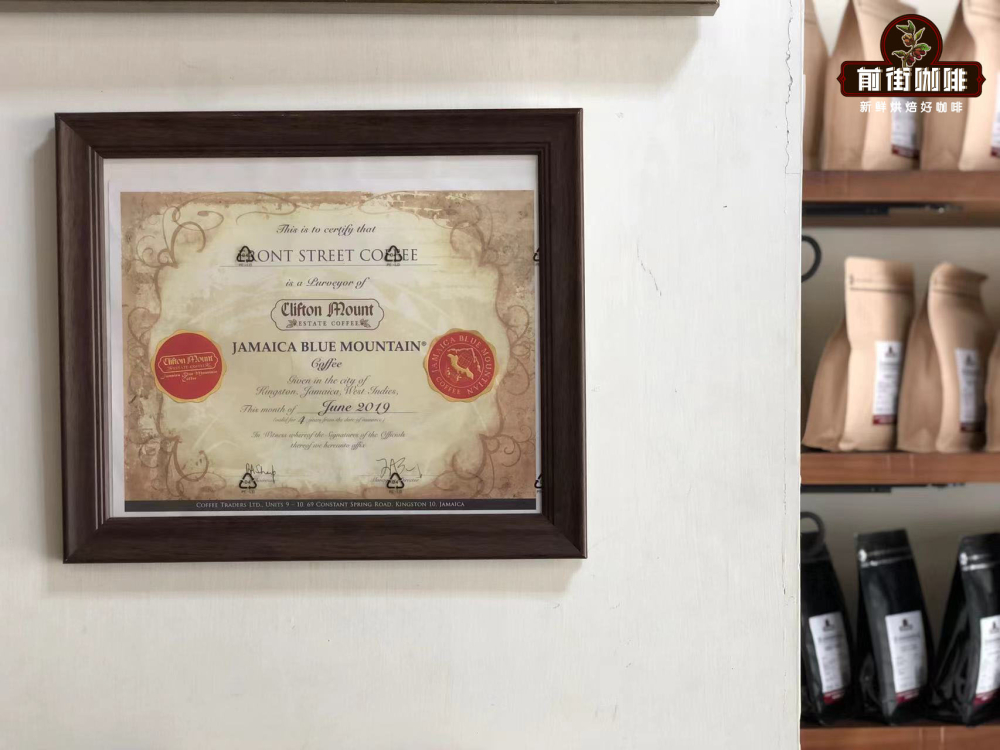
Each batch of Blue Mountain No. 1 sold in-store comes with a quality certificate issued by the Jamaica Coffee Board, an authorized sales document from the producer, and a certificate of origin — ensuring the traceability and authenticity of the beans. The display area in-store also features traditional oak barrels used to store Blue Mountain green beans, allowing customers to experience their unique atmosphere up close. These details not only guarantee quality but also serve as important indicators for consumers to identify genuine products.
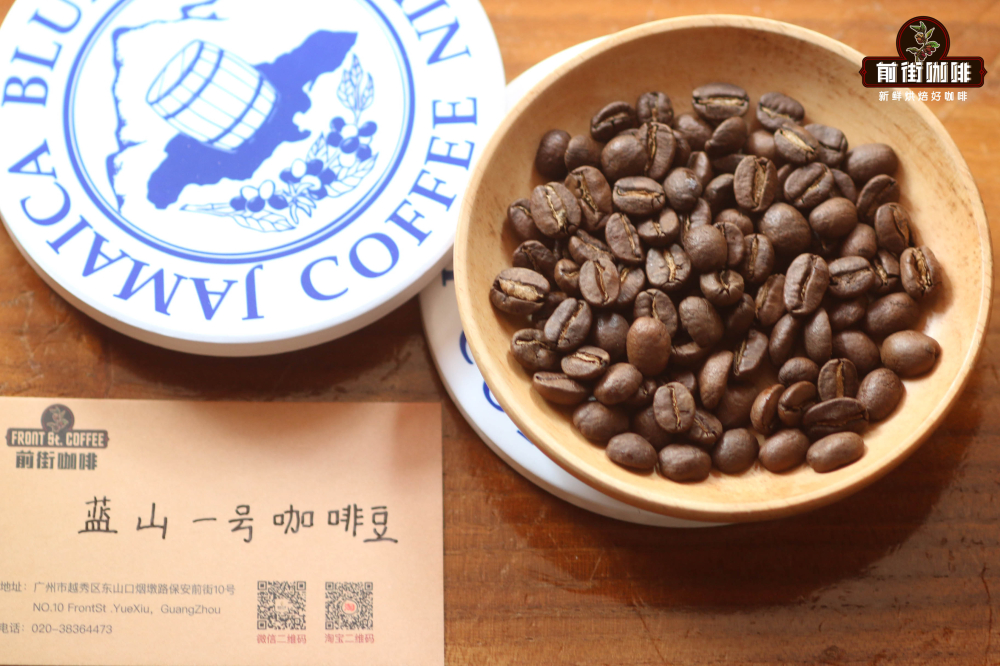
So why is the price of Blue Mountain coffee always so high? The answer lies in its exceptional growing conditions and extremely strict production management. Blue Mountain coffee can only be grown in specific areas of the Blue Mountains in Jamaica at elevations between approximately 910 and 1700 meters, and it is limited to the Typica variety. Although this variety can exhibit outstanding flavor potential in high-altitude environments, it is relatively susceptible to disease, has low yield per plant, and is difficult to harvest due to the rugged terrain — resulting in very limited overall production. Statistics show that less than 15% of Jamaica’s annual coffee output meets Blue Mountain standards, totaling about 900 tons, making it extremely rare.
The claim that “all Blue Mountain coffee is bought by Japan” has some basis. As early as the 1980s, Japan’s UCC company (formerly Ueshima Coffee) invested in cultivating Blue Mountain coffee in Jamaica. It is said that Jamaica once promised to supply 90% of its production to the Japanese market. Coupled with strong local marketing efforts in Japan, this has helped maintain Blue Mountain coffee’s high price and air of mystery. However, with the rise of global specialty coffee culture, consumers can now enjoy the unique charm of Blue Mountain No. 1 at relatively accessible prices — for example, a pour over cup for around 60 NT$ in-store.
As for why the highest-grade Blue Mountain coffee is called “Blue Mountain No. 1,” this is closely tied to the strict grading system established by the Jamaica Coffee Industry Board. The CIB evaluates Blue Mountain green beans across multiple dimensions, including bean size, defect rate, color, uniformity, as well as cupping performance after roasting — such as dry fragrance, wet aroma, acidity, flavor, body, and cleanliness. Bean size is categorized by screen size, while color is assessed both visually and instrumentally, with a bluish-green hue indicating the highest grade. Based on overall scores, Blue Mountain coffee is divided into four main grades: NO.1, NO.2, NO.3, PB (Peaberry), and mixed beans. Among them, NO.1 is the highest grade, commonly known as “Blue Mountain No. 1.” To achieve this grade, green beans must be 17 mesh or larger, have a defect rate below 3%, a moisture content of around 13%, and during cupping, they must exhibit rich aroma, smooth mouthfeel, low acidity, balanced flavors, and a lingering sweet finish.
For roasting recommendations, the CIB suggests using a medium roast to highlight the classic flavors of Blue Mountain No. 1. Baristas follow this guideline — through medium roasting, they bring out the rich chocolate and nutty notes while preserving a moderate level of fruity acidity, resulting in a more three-dimensional and balanced overall flavor.
If you want to brew the essence of Blue Mountain No. 1 at home, it is recommended to use a KONO filter. The rib design of this filter cup does not extend beyond half its height, allowing the filter paper to adhere tightly to the cup wall after pouring water. This effectively reduces airflow, prolongs the water absorption time of the coffee grounds, and results in a more even extraction — fully showcasing the rich, rounded characteristics of Blue Mountain No. 1.
Recommended brewing parameters are as follows: use 15 grams of coffee grounds, a 1:15 coffee-to-water ratio, a grind size of approximately EK43s setting 10.5 (equivalent to 75% passing rate through a 20-mesh sieve in China), and water temperature controlled between 87–88°C. Use a pulse pouring technique. The specific steps are: place the filter paper in the filter cup and wet it while allowing it to adhere to the cup walls; then add the coffee grounds and gently tamp them flat. The first pour is 30 grams of water for a 30-second bloom; the second pour slowly adds water up to 125 grams with a steady and even hand movement; when the water level drops by about half, proceed to the final pour up to 225 grams. The total brew time is about 2 minutes. This method fully highlights the distinctive black chocolate, nut, and almond flavors of Blue Mountain No. 1. The mouthfeel is rich and the aftertaste carries a hint of caramel sweetness and a creamy smooth texture. Even as the coffee cools slightly, its layered aromas and lingering finish remain enjoyable.
The above content is compiled by CoffeeHunters, a coffee news website.


