







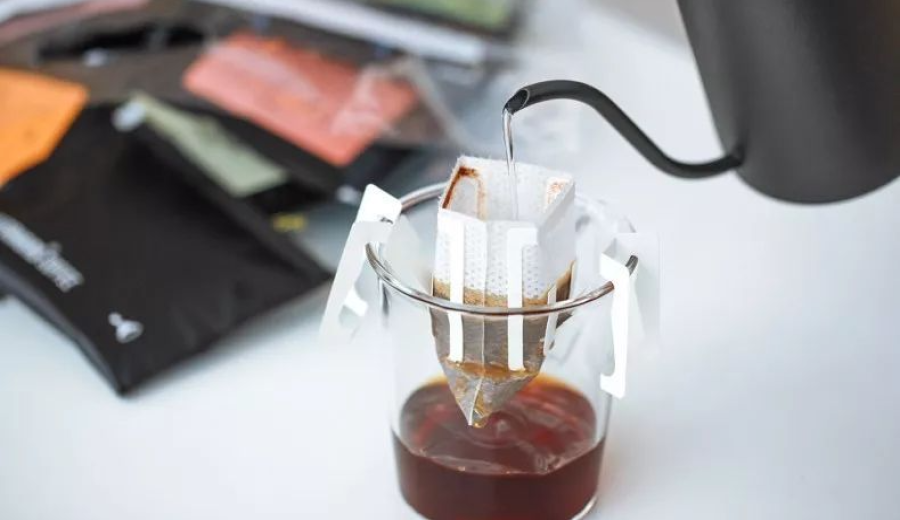
Introduction:Drip bags are a convenient choice for busy lifestyles, combining the flavors of pour over with ease of use. This article delves into the design origins of drip bags, common reasons for their lackluster flavor, and provides detailed parameters for water temperature, coffee-to-water ratio, and pouring techniques, along with answers to frequently asked questions such as whether blooming is necessary. Additionally, we’ve selected several classic coffee beans that are well-suited for making drip bags, allowing you to brew high-quality, layered black coffee at home or in the office.
For modern individuals with fast-paced lives, enjoying a flavorful cup of black coffee often proves difficult due to the lack of time for complex pour over steps. Drip bags offer an ideal compromise—no need for expensive equipment while still ensuring quality extraction and aroma.
The so-called "drip bag" actually originates from Japan. As early as 1990, Japan’s Yamakan Industry Co., Ltd. was inspired by tea bags and placed pre-ground coffee powder into non-woven fabric filter bags, with paperboard stands designed on both sides of the bag resembling ears. These supports could stably suspend the filter bag at the rim of a cup, allowing hot water to evenly drip through the coffee grounds. This creative design quickly gained popularity after being patented in 2002, becoming a new choice for convenient coffee.
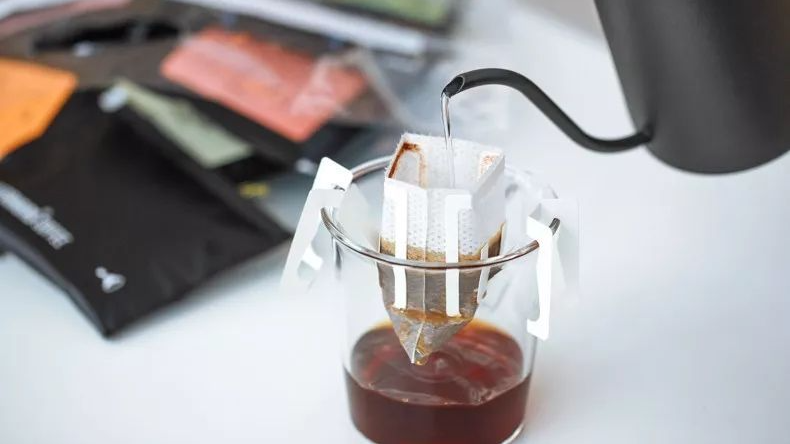
Using a drip bag only requires hot water and a cup. Once brewing is complete, the filter bag and coffee grounds can be discarded together, making the process simple and space-saving. With the rise of specialty coffee trends, drip bags available on the market now cover a variety of coffee beans from different regions and processing methods, offering diverse options. However, many users report that the brewed coffee has a weak flavor and lacks the layered complexity of pour over coffee. What could be the reason?
In fact, although drip bags have a low barrier to entry, because the coffee grounds are pre-ground and have a larger surface area exposed to air, improper storage or incorrect brewing parameters can easily lead to aroma loss, resulting in relatively flat flavor. Especially when using coffee grounds roasted more than a month ago, a woody or dull taste is more likely to occur. To preserve optimal flavor, it is recommended to choose drip bags made from beans roasted within five days prior to packaging and to consume them shortly after receipt.
To improve the flavor of drip coffee, mastering the correct brewing parameters is especially important. First is water temperature— 90~93°C is recommended. If the water temperature is too low (e.g., around 80°C), the aromatic compounds in the coffee are not easily released, often resulting in a thin-tasting brew; conversely, too high a temperature may lead to over-extraction, producing a burnt or bitter taste. In practice, you can let boiled water sit for about 1~2 minutesto allow the temperature to drop to the suitable range.
Another key factor is the coffee-to-water ratio. It is generally recommended to use a 1:15 ratio—for example, 10 grams of coffee grounds to 150 grams of hot water. This extraction usually results in a balanced and smooth flavor. If you don’t have a scale, you can also estimate the water volume using a measuring cup. The right coffee-to-water ratio ensures the coffee isn’t too diluted or overly concentrated, affecting overall taste.
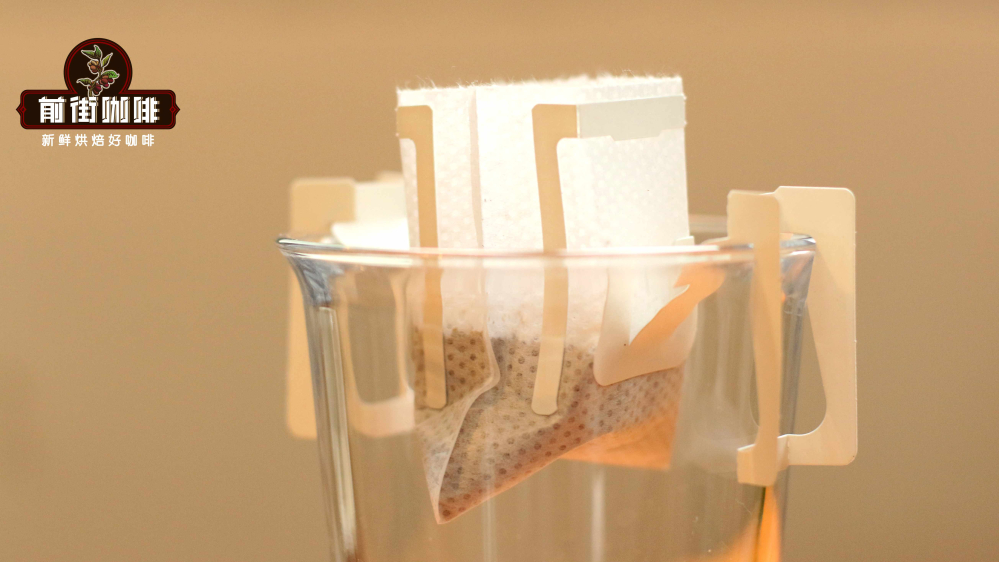
So, how do you brew with a drip bag? First, boil the water and let it sit briefly, then prepare your brewing tools and the drip bag. Commercial drip bags typically contain 10 grams of coffee grounds and can brew about 120~130 milliliters of coffee. After opening the package, tear along the dotted line to open the non-woven bag, then unfold the two “ears” on either side and hang them on the rim of the cup.
It is recommended to first pour a small amount of hot water—just enough to wet all the coffee grounds—and then let the coffee bloom for 10~20 seconds. This step helps release carbon dioxide from the coffee grounds, making subsequent extraction more stable and the flavor more rich. After blooming, continue pouring with a steady, gentle stream of water until the water level nears the rim of the cup. Once the dripping slows down, top up to the target water volume, totaling about 150 grams of hot water. Wait until all the coffee has dripped through to complete the brew.
After brewing, you can gently swirl the coffee to enjoy its original flavors. If you prefer milk coffee, you can also adjust to taste with milk or sugar. Also, many people ask whether blooming is necessary—the answer is yes, especially for drip coffee. Blooming helps activate the coffee grounds, improving overall extraction efficiency and flavor expression.
If you’d like to try drip coffee with different flavor profiles, here are several classic beans from renowned regions that are well-suited for drip bag production:
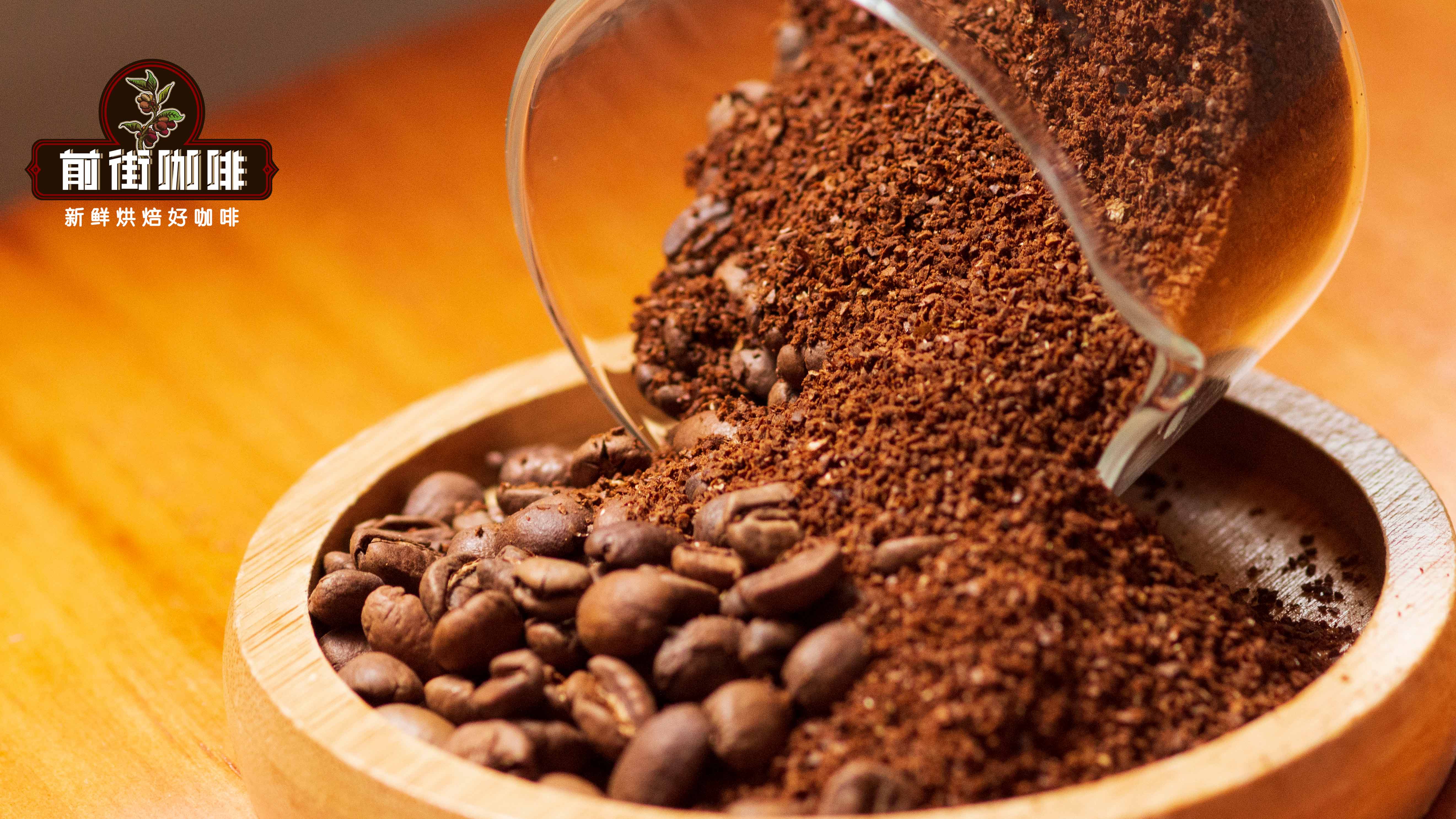
1. Yirgacheffe Guddina Cooperative Drip Coffee
Sourced from the Gedeo Zone of Yirgacheffe, Ethiopia, grown at altitudes of 1900-2300 meters, using local heirloom varieties and washed processing, graded as G1. The flavor profile includes citrus, berries, lemon, cane sugar, and green tea notes, with bright acidity and a fresh aroma—it’s a classic representative of African beans.
2. Brazil Queen Estate Drip Coffee
From the Queen Estate in Brazil’s Mogiana region, grown at altitudes of 1400~1950 meters, using the Yellow Bourbon variety. Processed with the natural (sun-dried) method, it delivers rich and mellow flavors such as dark chocolate, cream, peanuts, sugarcane, and nuts, with a round body and silky aftertaste.
3. Sidamo Huakui Drip Coffee
This sun-dried bean from Ethiopia’s Sidamo region, grown at elevations of 2250-2350 meters, uses local heirloom varieties and is meticulously sun-dried. It won the 2017 TOH Sun-Dried Category Championship. The flavor is layered, including berries, floral tea, honey, lemon, and black tea, with balanced acidity and sweetness and intense fruity notes—an exceptionally distinctive choice.
In summary, drip coffee is a convenient and delicious brewing method. By mastering water temperature, coffee-to-water ratio, and pouring techniques, even busy professionals can easily enjoy a high-quality cup of black coffee. Start with the recommended beans above to explore your own drip coffee flavor profile!
The above content is compiled by CoffeeHunters, a coffee news website.


