







Introduction:The moka pot is a common brewing device found in many coffee enthusiasts' homes, capable of quickly extracting coffee with a rich flavor. However, improper use often leads to coffee that is overly bitter, sour, or even burnt-tasting. This article delves into the structure and working principles of the moka pot, guiding you step by step on how to precisely manage each extraction phase—from selecting coffee beans, grind size, coffee grounds filling techniques, to heat control. It also offers practical adjustment tips for three common flavor issues, while emphasizing the importance of cleaning and maintenance to help you consistently brew moka pot coffee with balanced taste.
Thanks to its unique steam-pressure extraction design, the moka pot can brew coffee with intense flavor and crema in a short time, making it a favorite among many households and coffee beginners. However, improper operation can easily result in coffee that is too bitter, sour, or even scorched. This article starts with the basic principles of the moka pot and details how to choose suitable coffee beans, adjust grind coarseness, correctly fill the coffee grounds, and control heating—guiding you step by step to extract balanced and smooth coffee. It also provides comprehensive responses to common flavor problems and concludes with reminders on daily cleaning and maintenance essentials.
The moka pot is a type of pressure-driven percolation coffee maker. Its classic design consists of two parts: the lower chamber, where water is heated, and the upper chamber, where brewed coffee collects. When the water in the lower chamber is heated, it turns into steam, and the resulting pressure pushes the hot water upward through a filter filled with ground coffee, which then drips down into the upper chamber to form a strong cup of coffee. When you see coffee liquid beginning to emerge from the spout of the upper chamber, be sure to reduce the flame immediately. Excessively high temperatures not only speed up the extraction process but can also cause the coffee to develop a burnt, bitter taste, negatively impacting the overall flavor profile.
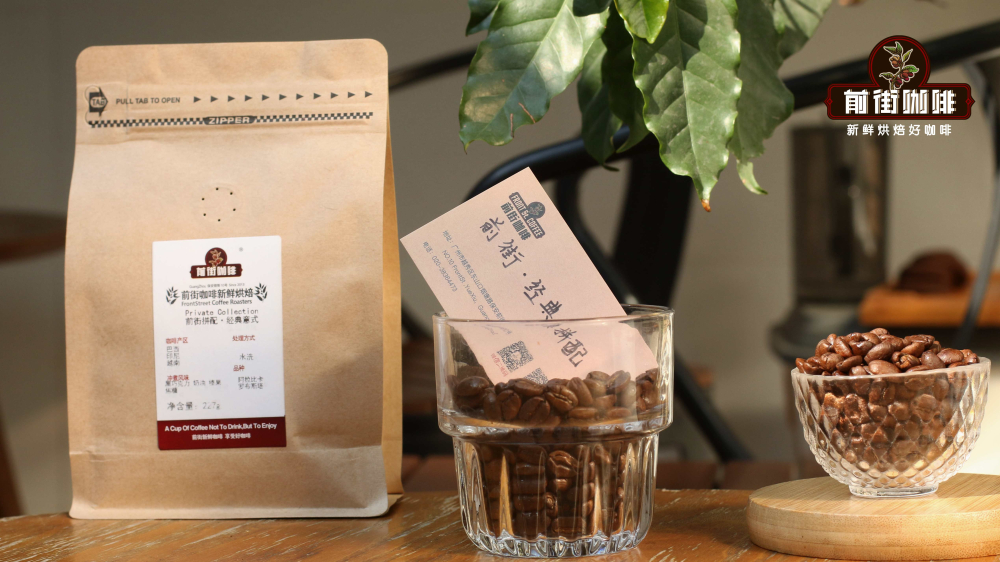
After understanding how the moka pot works, the next step is choosing the right coffee beans. Since the moka pot uses pressurized extraction—which is fundamentally different from pour over or drip methods—it is recommended to select medium to dark roasted coffee beans to bring out a rich and layered taste. Light roasted beans may highlight bright fruity acidity and floral notes when used in pour over brewing, but in the high-pressure environment of a moka pot, they often emphasize sharp acidity and struggle to deliver balanced flavors.
If you prefer coffee with rich crema and aromas of caramel and chocolate, you can opt for blends specifically designed for espresso or moka pot brewing. These beans are typically carefully crafted to deliver a full-bodied and smooth taste under pressurized extraction. If you favor the unique characteristics of single-origin beans, it’s advisable to choose medium to dark roasted options—such as Indonesian beans processed using the wet-hulled method, which often exhibit complex layers of spice, sandalwood, and caramel, adding depth to your moka pot coffee.

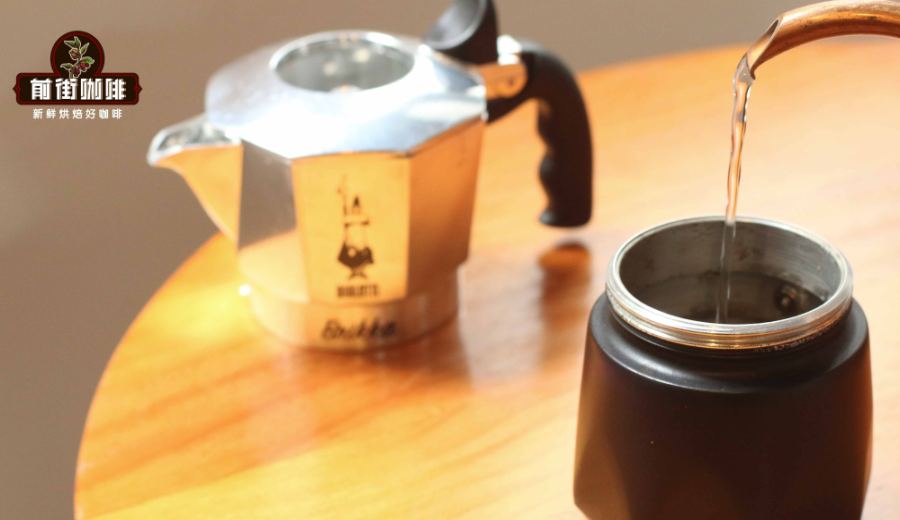
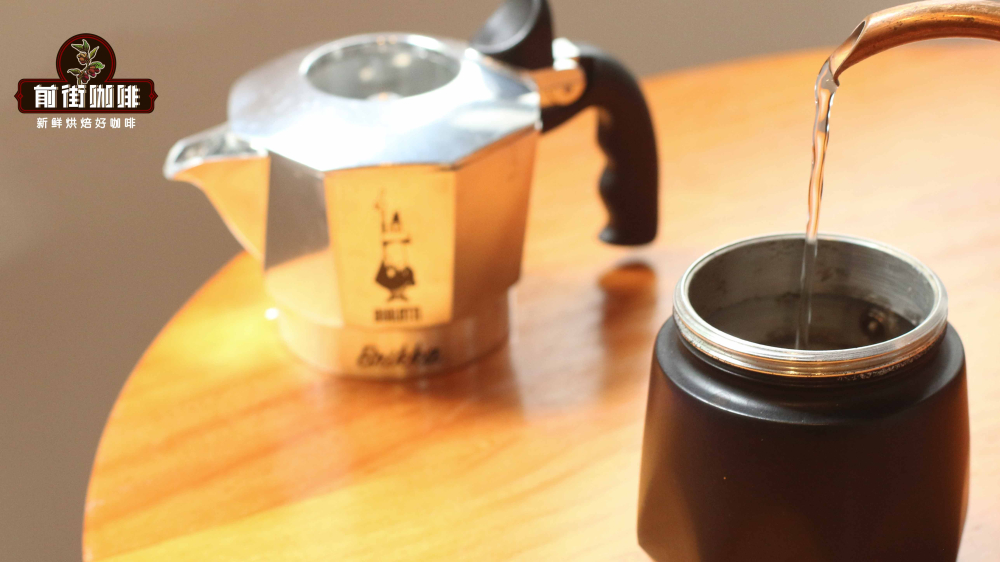
In practice, it’s recommended to first fill the lower chamber of the moka pot with warm water, keeping the water level below the safety valve. This not only helps reduce the risk of the coffee grounds overheating prematurely and developing burnt flavors, but also shortens the overall brewing time. It's especially important to note that if the water level exceeds the safety valve and the coffee bed is too fine, potentially causing channeling, the internal pressure may become excessively high and lead to danger. Therefore, the position and function of the safety valve must never be overlooked.
Regarding grind size, the coffee grind needed for a moka pot falls between that of pour over and espresso. A grind that is too coarse will lead to under-extraction, resulting in a weak flavor and even splattering; too fine, and it can cause over-extraction, making the coffee bitter and hard to drink. It’s recommended to use a fine grind, but slightly coarser than what’s used for espresso machines, to achieve the best extraction balance. In practice, you can refer to a grinder setting of about 3, and fine-tune based on actual extraction results.
After placing the ground coffee into the filter basket, gently level it and smooth the surface with your fingers—but do not tamp it down forcefully. An overly compacted coffee bed can impede water flow, leading to uneven extraction and abnormal pressure. Insufficient coffee grounds may also cause violent splattering from the upper chamber, affecting extraction stability. Next, firmly attach the upper and lower chambers, then place the moka pot on the stove to heat. If using an open flame, make sure the flame doesn’t extend beyond the base of the pot to avoid localized overheating.
When you hear a hissing sound from inside the pot, it means the water has begun turning into steam and generating pressure. At this point, reduce the flame so the coffee liquid drips slowly into the upper chamber. Once the upper chamber is about half full, you can turn off the heat and allow the residual heat to finish the extraction. This helps prevent over-extraction and preserves more delicate flavors. If during the brewing process you hear a whistling-like noise but no coffee is coming out, there may be a blockage at the spout—in which case, stop heating immediately to avoid pressure build-up and potential danger.
After brewing, you can adjust the coffee strength to your liking—such as diluting it with an equal amount of hot water to make a moka pot Americano, or adding hot milk to create a smooth latte. However, three common issues encountered at home when using a moka pot include: coffee that is too bitter, too sour, or has a burnt taste. Overly bitter coffee is usually caused by a grind that is too fine or excessive coffee grounds, leading to over-extraction. It’s recommended to use a coarser grind or reduce the amount of coffee grounds. Overly sour coffee may stem from choosing an inappropriate light roast bean or using a grind that’s too coarse, resulting in under-extraction. You can switch to a medium to dark roast or slightly adjust the grind size. Burnt flavors are mostly related to using overly dark roasted beans; it’s recommended to opt for medium to dark roasts and avoid over-extracting bitter, burnt compounds.
Finally, cleaning and maintaining your moka pot is crucial. Clean it promptly after each use to prevent coffee grounds residue from causing odors, blockages, or affecting the flavor of future brews. Pay special attention to cleaning the filter plate, gasket, and brewing channels. Residual coffee oils and grounds can not only cause blockages but may also impart unpleasant stale notes to your coffee.

The above content is compiled by CoffeeHunters, a coffee news website.


