








Introduction:Have you ever wondered how to determine which processing method was used on a coffee bean just by looking at its appearance and tasting its flavor? This article will take you deep into an understanding of the world’s four most common coffee bean processing methods—natural, washed, honey, and Indonesian wet-hulled—and teach you how to quickly distinguish the characteristics of different processes by observing details such as silver skin residue, bean crease white lines, roast color, and caramelized scorching. It also combines actual flavor profiles to help you establish a systematic identification logic and enhance your coffee tasting skills.
Many coffee enthusiasts, while tasting, always want to further understand what processing method was used for the beans in their hands. In fact, by mastering just a few key observation points, you can effectively distinguish common processing methods. This article will guide you to systematically differentiate the four main processing methods—natural, washed, honey, and wet-hulled—from perspectives such as silver skin residue, bean crease features, post-roast color, and flavor layers, and provide practical tips to help you gain a deeper understanding of the characteristics and differences of each process.
First, we can start with the beans’ appearance. Currently, coffee bean processing methods can generally be divided into two major categories: the globally prevalent washed and natural methods, and special processing methods developed according to local environments, such as Indonesia’s wet-hulled method and the honey process (also known as semi-washed or pulped natural) found in Central and South America. Understanding the background and characteristics of these processing methods can help you make a preliminary judgment about their origin and processing method based on the beans’ appearance.

Among the common global processing methods, the washed method involves removing the pulp and mucilage, then fermenting and washing the beans before drying them, so it typically has a cleaner, crisper flavor profile. Variants like anaerobic washed or wine barrel fermented washed coffee employ special fermentation environments to bring out more complex aromatic layers. Representative origins include Panama’s Geisha, which often exhibit a balance of citrus, floral, and tea-like notes. As for the natural method, the entire coffee fruit is dried directly in the sun, preserving more of the pulp’s sugars, resulting in usually sweeter and fruitier profiles, commonly found in East African origins like Ethiopia, such as the famous Yirgacheffe.
As for regional processing methods, Indonesia’s wet-hulled method is a unique craft. Its characteristic is that the outer parchment layer is removed before the coffee beans are fully dry, thereby shortening the drying time, but this can also easily cause cracks in the bean body, known as the “elephant ear” shape. Although the craft has improved in recent years, it remains a notable visual feature. The honey process falls between natural and washed, and its defining feature is the retention of some mucilage during fermentation. Depending on the amount of mucilage retained, it can be categorized into black honey, red honey, yellow honey, and white honey, with black honey retaining the most mucilage and delivering a richer flavor, while white honey is closer to the washed style.
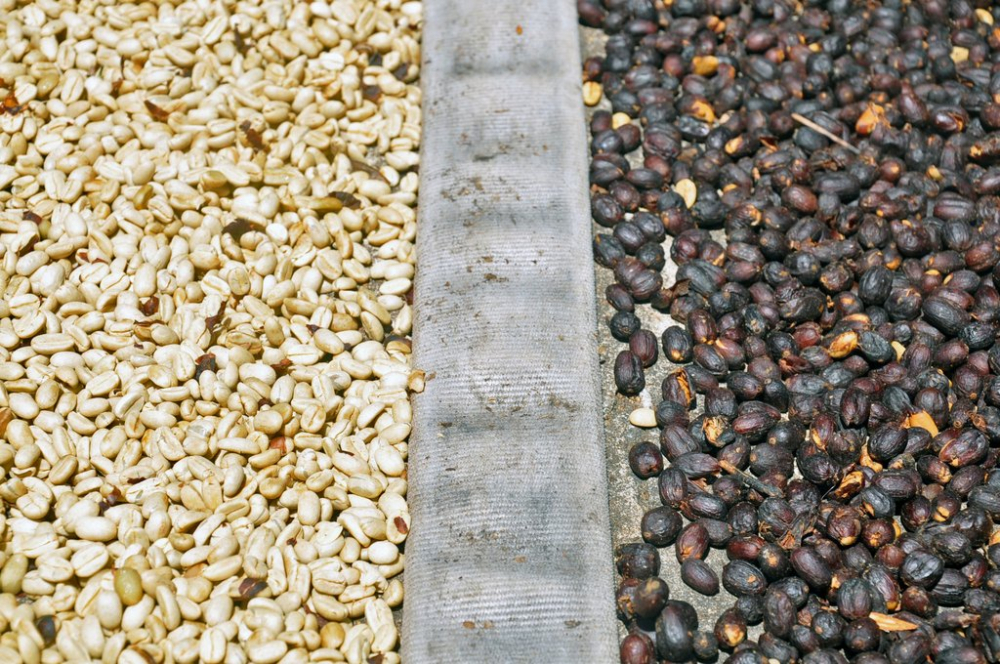
Observing the appearance of roasted beans is the first step in quickly identifying the processing method. Generally speaking,naturally processed coffee beans have less silver skin (i.e., parchment) residue, and the silver skin is noticeably shed after roasting, with barely visible white lines in the bean crease. In contrast,washed processed beans often show an unremoved silver skin white line in the bean crease, which is an important clue to determining whether it is washed. Additionally, if you find that the silver skin on the bean surface is almost completely gone and there is almost no silver skin debris after roasting, it is likely to be natural, raisin honey, or black honey processed.
In addition to silver skin residue, the bean’s color and caramelization are also important indicators.Naturally processed beans usually have a uniform color, and due to high-sugar fermentation, the bean surface may appear glossy; whereashoney processed beans often show obvious caramelized scorching at the bean crease or the ends, with darker colors in those areas after roasting, which is also one of the reasons for their richer flavors. If you notice localized dark caramel-like spots on the bean surface, especially concentrated at the ends or along the creases, it is very likely honey processed, particularly raisin honey or black honey.
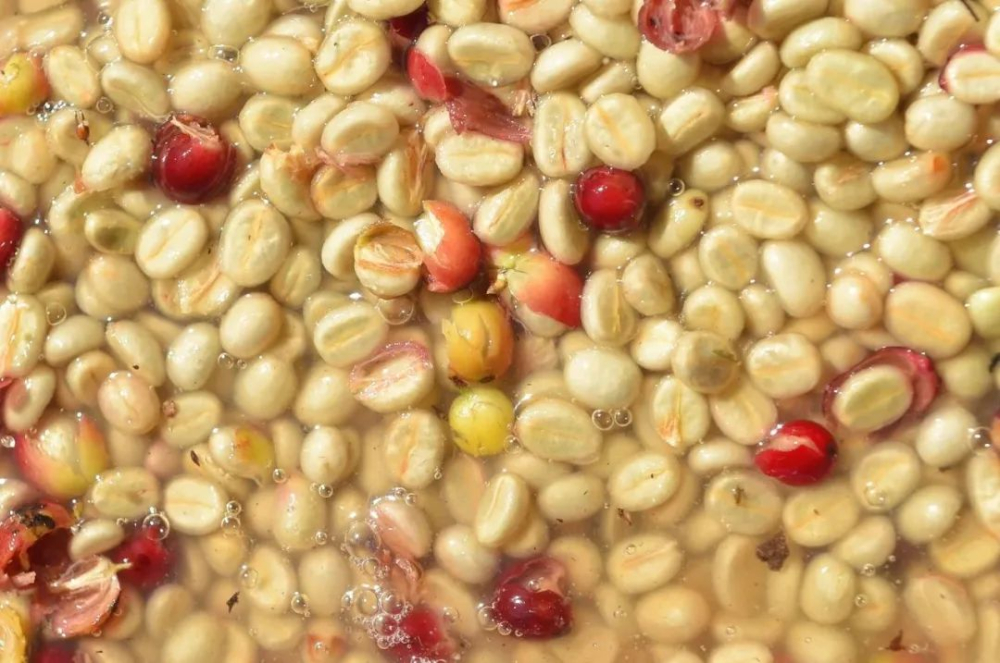
Looking further into flavor differentiation, the difference between natural and washed is even more apparent. Take Yirgacheffe as an example: coffees from this origin generally feature flavors such as citrus, lemon, jasmine, honey, and green tea. However, Yirgacheffe processed using the natural method often exhibits a richer layering and sweetness, with a citrus fruitiness as the main note, complemented by berry and fermentation aromas, resulting in an intense overall flavor with noticeable sweetness. In contrast, washed Yirgacheffe presents a cleaner, crisper taste, with the citrus still prominent but paired with jasmine floral notes and a green tea finish, offering brighter acidity and a clearer structure.
To further improve your identification ability, it is recommended to cup and compare beans from the same origin but processed differently, experiencing firsthand their differences in flavor, acidity, sweetness, and aftertaste. Such practical experience can help you gain a deeper understanding of how various processing methods actually affect coffee flavor.
As for other special processing methods, such as anaerobic processing—whether anaerobic natural or anaerobic washed—they all enhance flavor complexity and layering by controlling the fermentation environment. Generally, anaerobic natural tends to have a more expressive flavor, but if fermentation is not well controlled, it may also introduce disorderly notes; in contrast, anaerobic washed flavors are generally easier to manage, often presenting more refined fruitiness and fermentation aromas. However, these flavor expressions still depend on the processor’s technique and goals, so when tasting, pay attention to the nuances and layers of the aromas.
The above content is compiled by CoffeeHunters, a coffee news website.


