







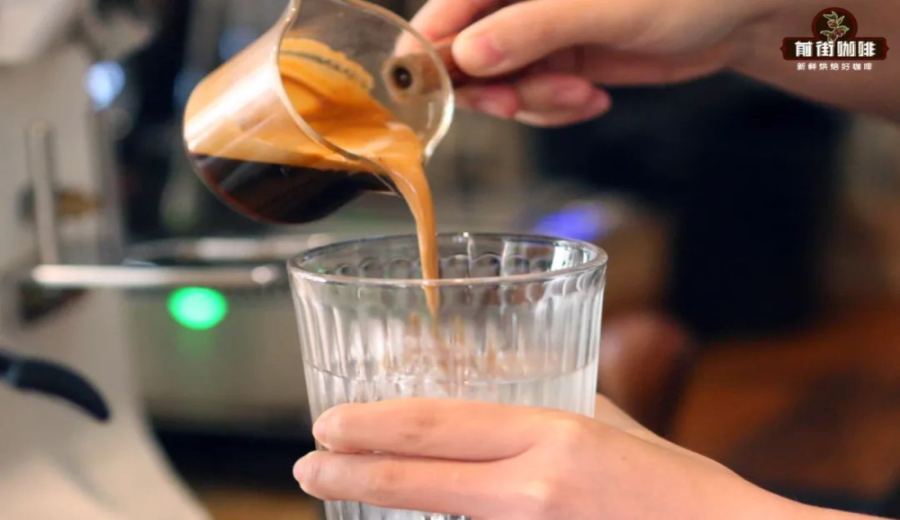
Introduction:Espresso serves as the base for many coffee beverages, but its intense flavor and small serving size often intimidate people. In reality, this concentrated coffee offers unique aromas, velvety crema, and a profound aftertaste — an experience difficult to replicate with other brewing methods. This article will take you deep into the flavor characteristics of espresso, the role of crema, common taste impressions, and provide practical drinking tips to help you better appreciate this "small yet powerful" cup of coffee.
In Taiwan or Hong Kong, espresso is often used as the base for drinks like lattes or Americanos, but ordering a straight espresso is not very common. The reasons are mainly two-fold: first, the serving size is extremely small — even with the golden coffee crema, a shot is only about 50 milliliters; second, the taste is too strong for most people, with noticeable bitterness that can be even more off-putting than certain types of traditional medicine.
However, it is precisely because of this concentrated nature that espresso possesses an aroma intensity and layered complexity unmatched by other types of coffee. From the initial intense impact to the subsequent sweet aftertaste, every sip is the essence of concentration. This article will explore espresso's aromas, flavors, crema performance, and proper tasting suggestions to help you rediscover this seemingly simple yet deeply nuanced coffee.
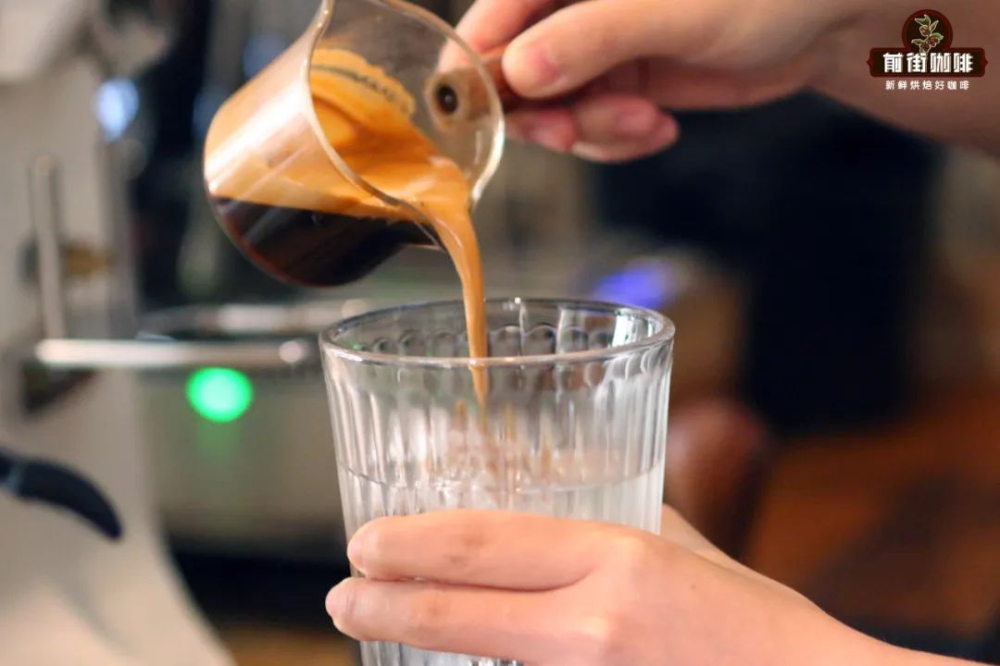
Many people’s first encounter with espresso often stems from hearing it described as "the purest form of coffee" or from wanting to challenge their taste buds. But after the first sip, the common reaction is usually a frown and surprise — the intense bitterness and high concentration of coffee flavors are truly unlike the coffee most people drink daily.
Many first-timers say that espresso tastes almost as stimulating as traditional medicine, but for true enthusiasts, that’s exactly where its charm lies. For busy professionals or caffeine seekers, espresso not only delivers a concentrated essence but also provides a highly efficient energy boost in the shortest time possible — taste is not always their primary concern.
Interestingly, one coffee shop once interviewed several regular espresso drinkers to understand why they love this type of coffee. One customer said, "Other coffees are too light, lacking any real coffee flavor. Only espresso gives me enough of that coffee sensation, making me feel grounded."
Another mentioned enjoying the rich vanilla notes (Vanilla) in espresso, paired with the delicate crema produced by the Warm Sun blend, resulting in a texture as smooth and thick as butter. Others particularly appreciate espresso’s “bitter-to-sweet” profile, noting that for up to 20 minutes after drinking, their mouths continue to emit a warm, sweet aroma — truly captivating.

The charm of espresso lies not only in its flavor but also in its unique layers of tasting experience. A freshly made espresso, when served, first greets you with intense nutty and creamy aromas. This rich scent often compels you to take a deep breath.
A key player supporting these aromas is the layer of golden crema (coffee oils). Crema is not just a hallmark of espresso, but also a crucial factor influencing overall mouthfeel. It provides a rich, smooth coating sensation, like silk-like butter melting on the tongue, making the entire cup of coffee feel rounder and fuller.
Many beginners mistakenly think the bitterness of espresso is merely harsh or unpleasant. In truth, quality espresso bitterness often carries undertones of dark chocolate and caramel — a deep and memorable bitterness, rather than a simple burnt or acrid taste. This layered bitterness is also an important criterion for judging whether an espresso meets professional standards.
In addition, the aftertaste of espresso is another highlight. After swallowing, if you don’t immediately drink water or eat something, your mouth will often continue to emit a rich coffee aroma. This aftertaste can sometimes last several minutes or longer — an experience hard to match with other brewing methods.
To more fully enjoy espresso, here are three practical tips worth trying: First, before tasting, it’s recommended to take a sip of water to clear your palate of any lingering flavors, preparing your taste buds to receive the bold coffee notes. Second, you can gently stir the coffee with a small spoon to mix the crema with the liquid below, releasing more layers of aroma and flavor. Lastly, it’s best to consume the espresso within two minutes of brewing to enjoy the optimal flavor and aroma.
The above content is compiled by CoffeeHunters, a coffee news website.


