







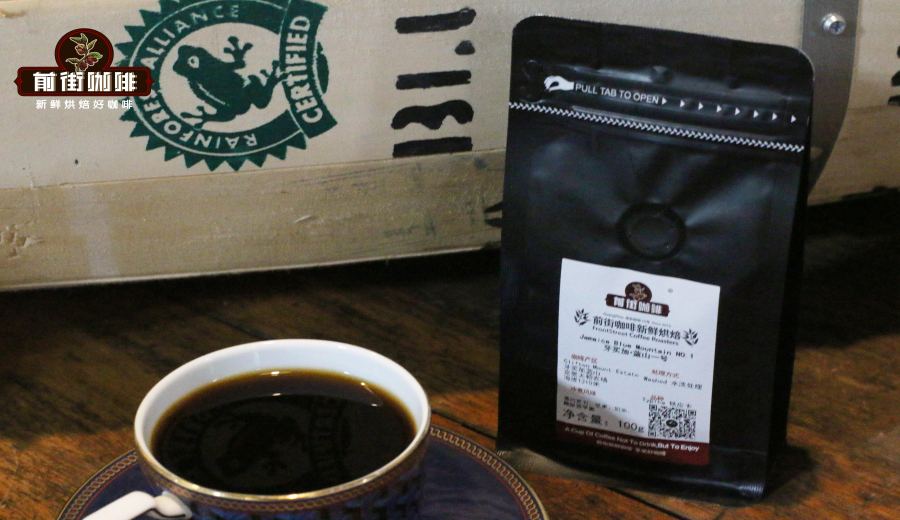
Introduction:Jamaican Blue Mountain coffee is renowned worldwide for its unique flavor and rarity, but its high price and the prevalence of counterfeit products on the market leave many consumers hesitant when making a purchase. This article delves into the authentic standards, origin, and CIB grading system of Blue Mountain No. 1, explains the historical background behind its premium pricing, and provides professional pour over recommendations and parameter settings to help readers discern authenticity, understand flavor characteristics, and further appreciate the essence of this top-tier coffee.
When it comes to Blue Mountain coffee, many people immediately think of its rich and layered taste. Authentic Jamaican Blue Mountain No. 1 coffee often boasts intense dark chocolate and caramel aromas, accompanied by subtle berry acidity and sugarcane sweetness. The balance among acidity, sweetness, bitterness, richness, and umami is impeccable, with a long-lasting aftertaste. For first-time tasters, it’s recommended to choose a reputable source to ensure consistent flavor performance.
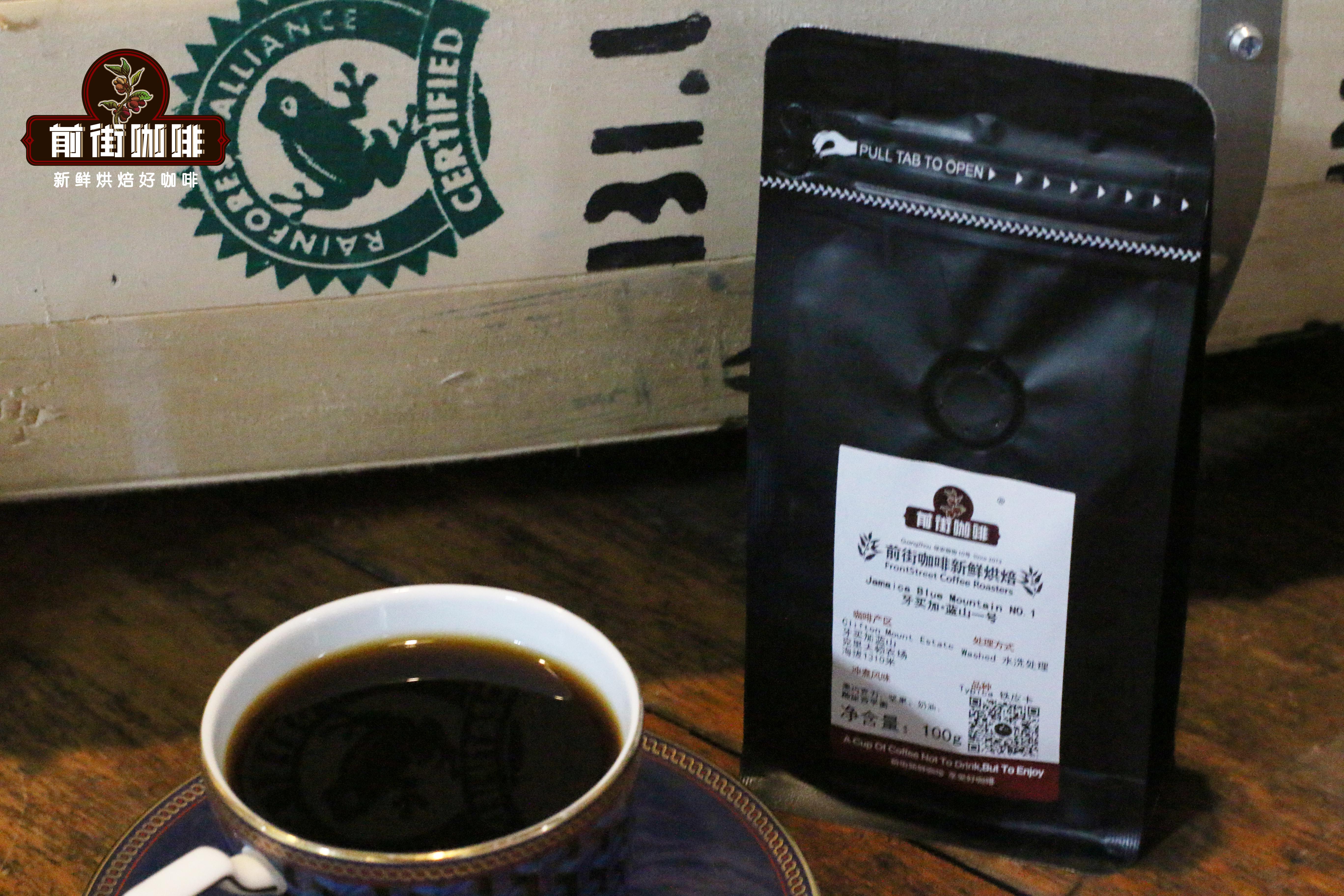
What exactly qualifies as “authentic” Jamaican Blue Mountain coffee beans? The key lies in its legally defined growing region and strict regulations. According to Jamaica’s Coffee Industry Regulation Act, only coffee grown at elevations between 910 and 1700 meters within the four administrative regions of Saint Andrew, Saint Thomas, Portland, and Saint Mary, and of the Typica variety, can be called “Jamaica Blue Mountain.” Due to the rugged terrain of the region, challenging harvesting and management conditions, and high labor costs, the production of genuine Blue Mountain coffee is extremely limited, which naturally keeps its price high. If you see so-called “Blue Mountain beans” on the market priced at just a few dozen yuan, they can almost certainly be counterfeit. In reality, Blue Mountain No. 1 on the market is priced at around 198 yuan per 100 grams, which aligns with its rarity and quality positioning.
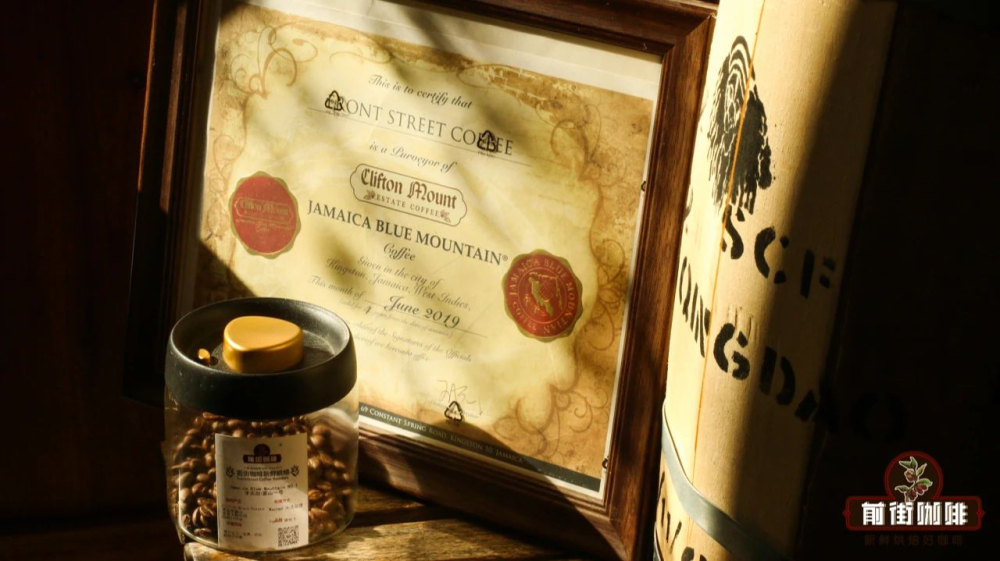
In terms of flavor profile, authentic Blue Mountain coffee offers rich and stable chocolate and roasted hazelnut aromas—layers that most dark roast blends struggle to achieve. In terms of taste, the five elements of acidity, sweetness, bitterness, richness, and umami are well-balanced, with none overly prominent, and the overall body and sweetness are perfectly expressed. If you’re still unsure whether your beans are genuine, it’s advisable to ask the seller for relevant certification documents, such as quality certificates issued by the Jamaica Coffee Board, producer authorization letters, and certificates of origin. Also, observe whether the green beans are packaged in wooden barrels—Jamaica is the only producing region in the world that still ships green beans in wooden barrels.
The high price of Blue Mountain coffee also has historical reasons behind it. As early as before the 1960s, Jamaican Blue Mountain coffee had already attracted international market attention. However, a severe hurricane in 1969 devastated the local industry. At that time, Japan’s UCC company provided financial and technical support, introducing modern eco-friendly cultivation management. In gratitude for this assistance, the Jamaican government signed a 30-year agreement with Japan, under which 90% of the high-quality Blue Mountain coffee was prioritized for the Japanese market, with the remaining 10% allocated to Europe and America. Due to the limited demand in the Japanese market, some Blue Mountain beans entered other parts of Asia—such as Singapore, South Korea, Taiwan, and Hong Kong—via re-export trade, further fueling the reputation of Blue Mountain. By the 2000s, this “Blue Mountain craze” had also spread to mainland China, creating the high-price and hard-to-find market phenomenon we see today.
After the 2008 global financial crisis, Jamaica gradually opened up Blue Mountain coffee to more markets, and the agreement with Japan also came to an end, allowing the Blue Mountain quota to be redistributed. With the rise in consumption power in the Chinese market, many merchants are now able to import Blue Mountain coffee beans directly from Jamaica. For example, Blue Mountain No. 1 sourced from the Clydesdale Estate still uses the traditional washed processing method, showcasing the classic flavor profile of the region.
The washed processing method for Blue Mountain No. 1 also has its unique aspects. Blue Mountain coffee is made from the ancient and delicately flavored Typica variety, and the higher the altitude at which it is grown, the better its aroma and taste performance. However, the Typica variety is weak in disease resistance, has low yield, and the steep terrain of Blue Mountain means that both harvesting and processing rely on skilled manual labor. The freshly picked coffee cherries are immediately sent to the processing facility for the washed removal of fruit skin and pulp. First, floaters are removed, then the outer layer of pulp is stripped away, and the beans enter the fermentation tank for 12 to 18 hours of fermentation. After that, water flow and bean friction are used to clean off surface residues, followed by sun-drying the beans until the moisture content drops to 12% to 14% before storage. This process effectively reduces the defect rate while highlighting the clean and clear flavor inherent to Blue Mountain beans.
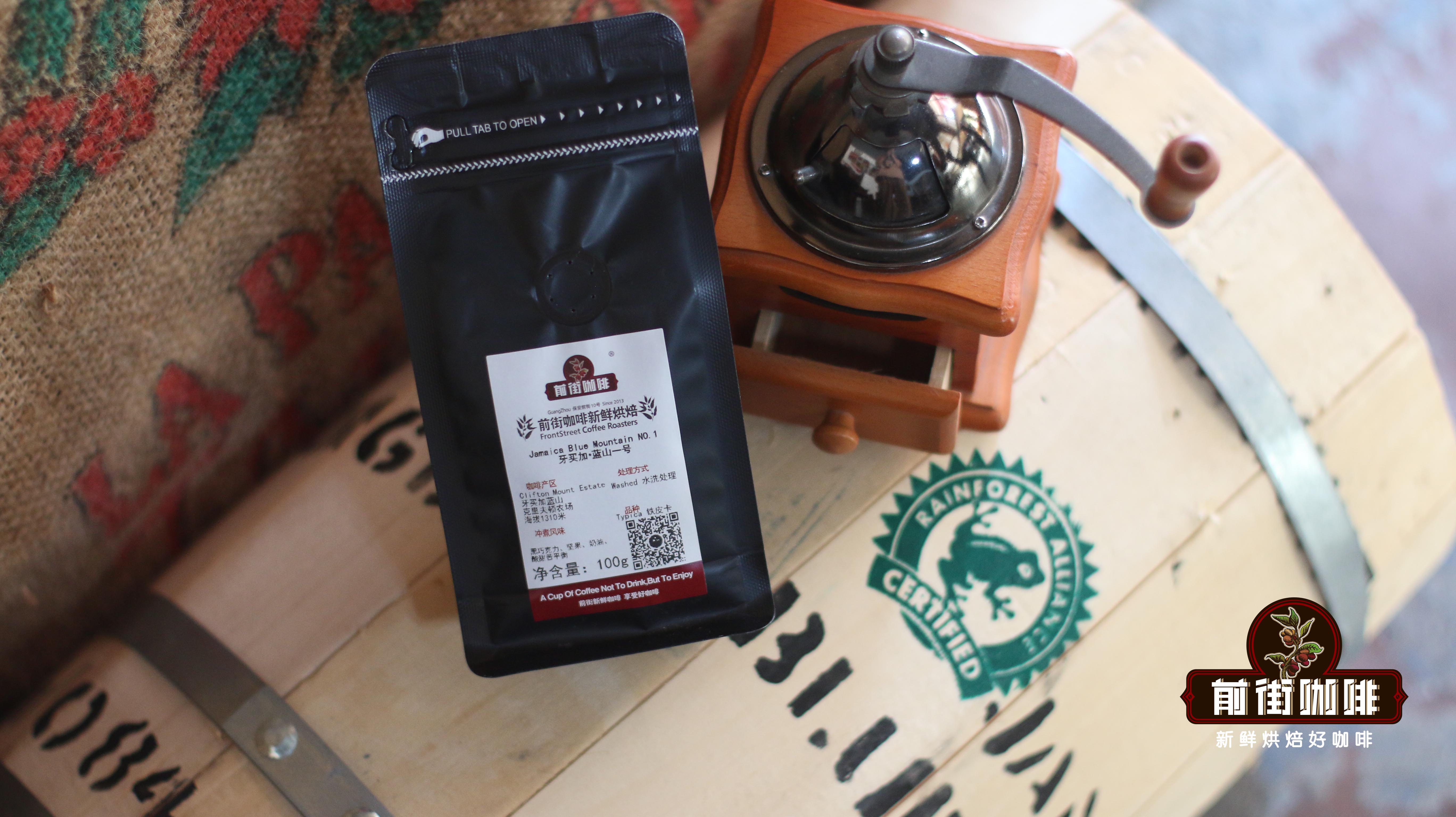
Before export, all Blue Mountain green beans must undergo strict grading and quality inspection by the Jamaica Coffee Industry Board (CIB). The CIB evaluates based on multiple criteria, including bean size, defect rate, color, and flavor. The primary condition is that the defect rate must be below 3%, and beans are then graded into four levels according to their size, with the highest grade being Blue Mountain No. 1. The green bean specification must be 17 mesh or above, with a moisture content of approximately 10% to 12.5%. After proper roasting, this coffee exhibits the balanced classic flavor of acidity, sweetness, bitterness, richness, and umami—truly the essence of Blue Mountain coffee.
For home brewers who enjoy making coffee themselves, brewing Blue Mountain No. 1 to bring out its best flavors is also an art. It’s recommended to check the roast date of the coffee beans before brewing, and to choose beans roasted within the last 5 days to ensure the aroma and flavor are at their peak. Generally speaking, Blue Mountain No. 1 is a medium roast, and its internal structure is looser than that of light roast beans, leading to faster water absorption. Therefore, it is suggested to use a medium-coarse grind, such as EK43s setting 10.5 (approximately 75% passing rate through a standard 20-mesh sieve), and to extract with 88°C water temperature to avoid over-extraction that could lead to increased bitterness.
In terms of equipment selection, the KONO filter cone is a good recommendation. Its upper design fits tightly with the filter paper, and when paired with immersion-style extraction, it enhances the overall richness and body of the coffee, making it especially suitable for coffees like Blue Mountain that excel in full-bodied flavor. It is recommended to set the coffee-to-water ratio at 1:15—using 15 grams of coffee powder and a total of 225 grams of water. Brew in three pours: begin with a 30-second bloom using 30 grams of water, then pour in a small circular motion from the center outward until reaching 125 grams for the first pour. Once the coffee bed has settled, pour again to reach 225 grams, and remove the filter cone once dripping is complete.
The final brewed cup of Blue Mountain No. 1 coffee delivers a distinct entrance of dark chocolate richness and caramel sweetness, with soft and layered acidity. The overall mouthfeel is smooth, rich, and full-bodied, perfectly showcasing the classic characteristics of Blue Mountain coffee—a tasting experience not to be missed by coffee enthusiasts.
The above content is compiled by CoffeeHunters, a coffee news website.


