







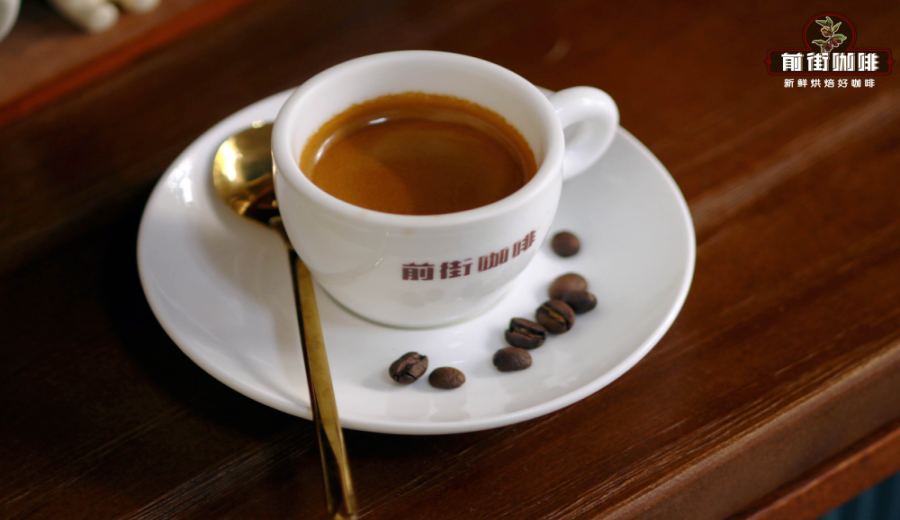
Introduction:Delve into the essence of espresso, from its visual appeal, mouthfeel, and taste to its aftertaste, and master its unique sensory characteristics. This article details the extraction parameters under SC standards, analyzes crema, body texture, and flavor balance, and guides you in identifying signs of under-extraction and over-extraction. Through professional insights and practical advice, enhance your espresso tasting skills.
Espresso originated in Italy around the 1940s, initially popular in Southern European countries, and only became widespread globally after Starbucks’ international promotion in the late 1980s. This small cup of dark coffee, about 50 milliliters, is renowned for its rich aroma and delicate reddish-brown foam, serving as a classic representation of Italian-style coffee. This article will explore espresso from the perspective of sensory experience, diving into its visual features, mouthfeel texture, balance of acidity, sweetness, and bitterness, as well as its aftertaste performance. It also explains common extraction issues and standard parameter settings.
The most recognizable feature of a high-quality espresso is its thick and vibrant layer of foam—known as “crema.” This foam is composed of tiny bubbles and fragments of cell walls, not only influencing appearance but also serving as an important carrier of coffee aroma. When the crema appears bright reddish-brown, fine and even, and long-lasting, it usually indicates good extraction. Conversely, if the foam is too thin, pale in color, or dissipates quickly, it often means the grind is too coarse, the water temperature is too low, or the pressure is insufficient, leading to incomplete extraction. If large bubbles or white spots appear in the center of the foam, it may be due to excessively high water temperature or prolonged extraction time, resulting in over-extraction.
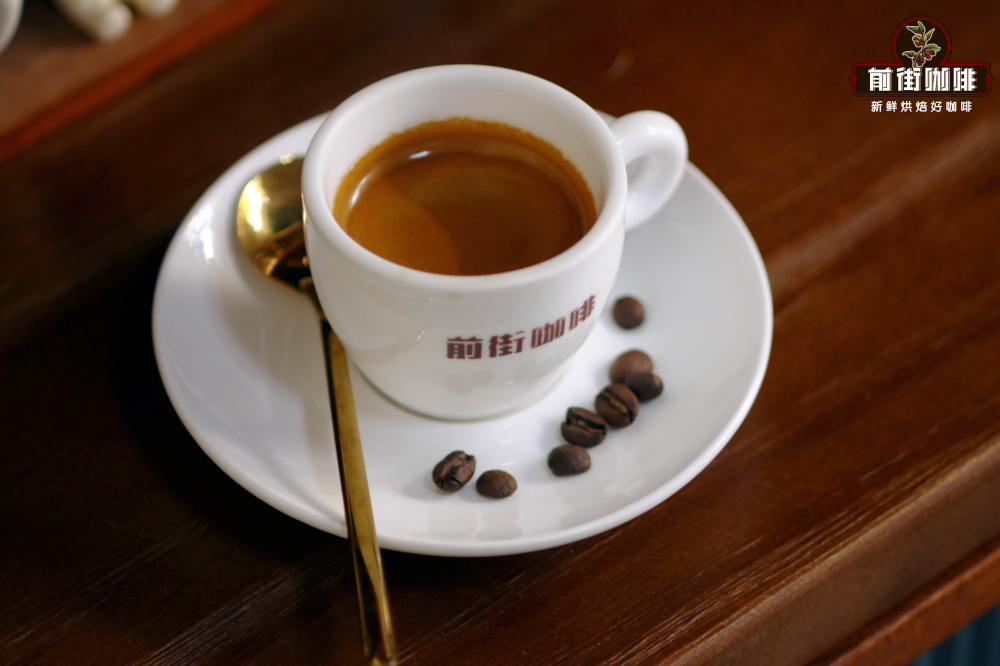
Beyond visuals, the mouthfeel of espresso is also highly distinctive. The oil droplets in the coffee not only add a smooth texture but also enhance the dissolution of flavor molecules. A high-quality espresso should have a rich and silky body texture, spreading smoothly upon entry rather than feeling rough or astringent. Astringency is often associated with unripe beans, which contain higher levels of polyphenols and can cause discomfort in the mouth—an important quality control indicator.
In terms of taste, the ratio of bitterness to acidity in espresso varies by region. Consumers in Southern Europe generally prefer a pronounced bitterness and rich texture, while those in Northern Europe or North America tend to favor a more balanced acidity, sweetness, and bitterness, with some even accustomed to adding milk to mellow the intense flavor. It’s worth noting that extracting more than 50 milliliters of espresso can easily bring out excessive undesirable impurities, leading to woody or astringent notes—this is also why Nordic-style espresso is sometimes described as “bitter and astringent.” Additionally, roast level significantly affects the final flavor: extremely dark roasts tend to produce burnt, bitter off-notes, while overly fast roasting may introduce metallic sensations and unpleasant astringency.
The aftertaste of espresso is equally worth savoring. Due to its high concentration and viscosity, along with the help of natural surfactants, volatile aromatic molecules can adhere to the mucous membranes of the tongue, releasing their essence for several minutes or even up to ten-plus minutes. Experiments show that this oil droplet adhesion effect helps mitigate the perception of bitterness, similar to the protective effect of colloids on taste buds. However, once diluted with water, the bitterness molecules originally encapsulated by the oil droplets become more easily detected by the taste buds, making diluted espresso taste even more bitter. Therefore, it’s recommended to enjoy it straight for the most complete flavor experience.
An ideal espresso should possess the following characteristics: a thick and silky body texture, fine and long-lasting crema, balanced acidity, sweetness, and bitterness with a pleasant aftertaste, and no obvious off-flavors or defects. These qualities depend not only on the quality of the coffee beans but also closely relate to extraction parameters.
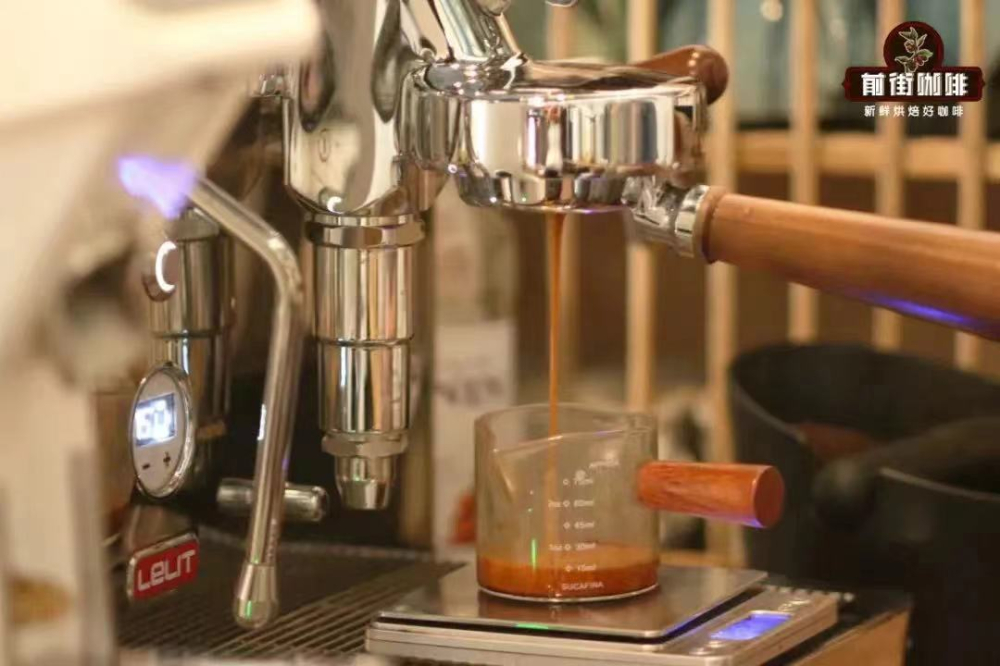
According to SCA (Specialty Coffee Association) standards, the recommended parameters for a single shot of espresso are: 7–9 grams of coffee grounds, an extraction time of 20–30 seconds, a yield of 25–35 grams, water temperature controlled at 90–96°C, and pressure maintained at 9–10 bar. For a double shot, the coffee amount increases to 14–18 grams, with a corresponding increase in yield. In practice, different shops may make fine adjustments based on the bean variety and equipment characteristics.
Taking the common “Sunshine Blend” as an example, the recommended water temperature is set at 94°C, with pressure steadily maintained at 10 bar to fully bring out its wine-like, berry, and roasted nut flavors. It’s important to note that factors such as coffee bean grind size, tamping pressure, and dose distribution also significantly impact extraction results. It’s advised to carefully observe changes in crema and flavor performance after each adjustment, gradually identifying the optimal balance point.
In summary, espresso is a combination of science and art. From precise parameter control to subjective flavor appreciation, every cup holds endless possibilities. By understanding its sensory characteristics and extraction principles, you’ll be able to taste and evaluate this Italian classic with greater confidence, further exploring the profound allure of the coffee world.
The above content is compiled by CoffeeHunters, a coffee news website.


