







Introduction:Want to understand why Yirgacheffe Red Cherry has become the go-to choice for many coffee beginners and pour over enthusiasts? This article delves into the origin of this popular coffee bean, its grading system, how the Red Cherry Project operates, and details its roasting profile and cupping flavor characteristics — helping you grasp every aspect from origin to brewing of this uniquely flavored specialty coffee.
Yirgacheffe has long been considered a classic entry point into specialty coffee, and the “Red Cherry” series, with its outstanding cost-performance ratio and astonishing flavor profile, has become the first African coffee bean many enthusiasts try. This article will take you through the origin of the producing region, grading standards, the workings of the Red Cherry Project, and even the roasting and cupping flavors of a well-known brand’s sun-dried Red Cherry — giving you a full understanding of this highly representative coffee bean.
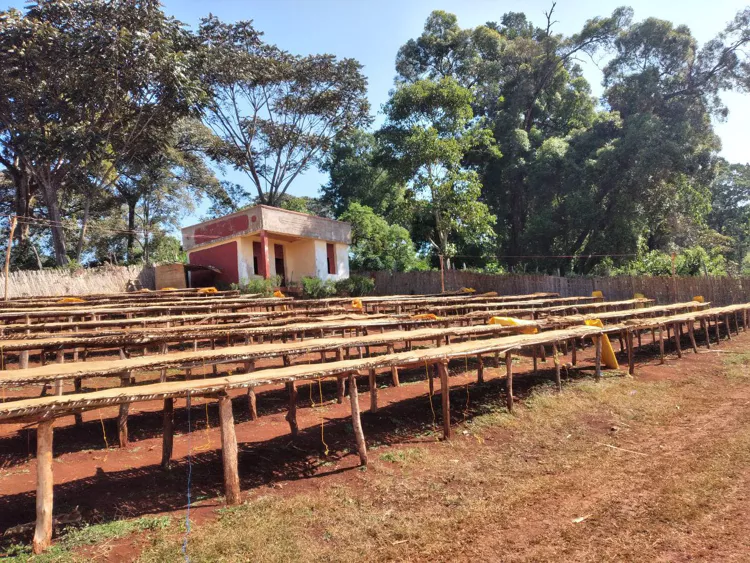
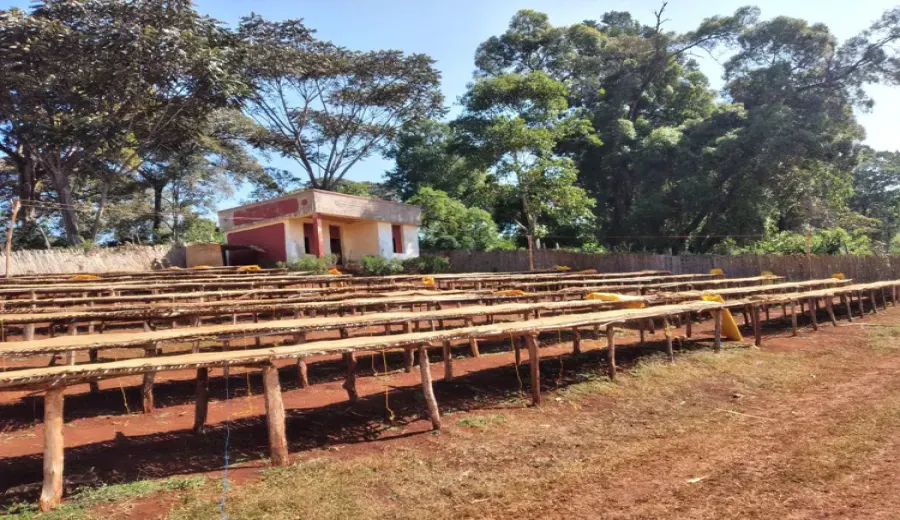
Yirgacheffe is located in Ethiopia’s southern Gedeo region, at an altitude of about 1700 to 2100 meters. It was originally part of the Sidamo region. However, due to its distinctive processing style and unique flavors, it later became an independent producing area. In addition to the main Yirgacheffe area, nearby micro-regions such as Kochere, Wenago, and Gelena Abaya, which share similar flavor profiles, are often grouped under the same regional classification. The entire area consists of up to 28 small cooperatives, mostly run by smallholder farmers with limited planting scale. Coffee trees are often intercropped with other crops in their backyards, showcasing a simple and natural farming environment.
In the early days, Yirgacheffe mainly used the traditional African natural (sun-dried) processing method. It wasn’t until the introduction of washed techniques from Central and South America that cleaner, brighter acidity and distinct floral and fruity aromas were developed. Washed Yirgacheffe, such as that from a certain well-known brand’s Gedi Cooperative, often features delicate floral notes, refreshing citrus acidity, and a green-tea-like aftertaste — making it very suitable for those new to specialty coffee.
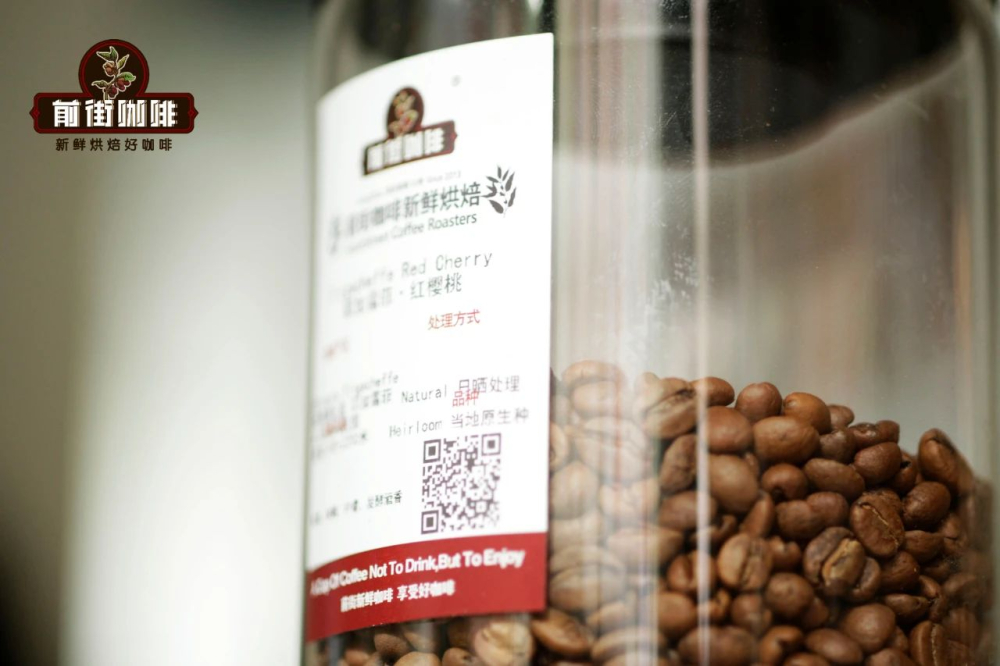
In Yirgacheffe, coffee beans are divided into two main categories based on processing methods, each with its own grading system. Washed coffee falls under Category A and, according to standards set by the Specialty Coffee Association of America (SCAA), is graded as Gr-1 and Gr-2 — the lower the number, the higher the grade. A well-known brand’s G1 washed Yirgacheffe is known for its bright citrus tones and soft floral notes, with a clear and layered flavor profile. Sun-dried coffee, on the other hand, is categorized as Class B, with grades including Gr-1, Gr-3, Gr-4, and Gr-5, where Gr-1 is the highest grade. A well-known brand’s G1 sun-dried Yirgacheffe often exudes intense fruit aroma, and you can sense its exceptional fragrance upon opening the bag, completely shattering the stereotype that “coffee equals bitterness.”
It’s worth mentioning that due to differences in raw bean processing methods, Yirgacheffe beans are not uniform in size. Most are local landrace varieties, typically small in size, usually between 14 and 15 mesh, with a rather round shape — typical of small-bean varieties.
The “Red Cherry Project” (Operation Cherry Red Project, abbreviated as ORC) is a quality improvement initiative launched by Dutch trader Trabocca in collaboration with local Ethiopian farmers, first initiated in 2007. The original goal of the project was to encourage smallholder farmers to carefully select and enhance coffee quality — particularly by harvesting only 100% fully ripe red coffee cherries during picking, and limiting each batch’s output to around 1500 to 3000 kilograms to ensure stable quality.
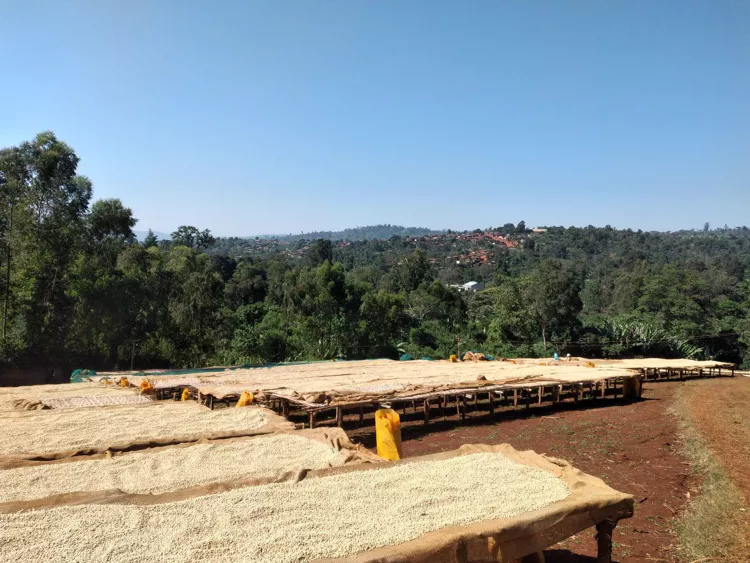
The Red Cherry Project not only sets requirements for harvesting but also pushes farms to put more effort into selection and processing, so these beans typically command a price above the market average. The project includes various processing methods such as washed, natural, semi-washed, semi-natural, and even experimental processes, covering multiple regions including Yirgacheffe, Sidamo, Pungo Forest, Lekempti, Kempa, Yirgubabor, Harrar, Limu, and Korate (Golocha) — showcasing the diversity and potential of Ethiopian coffee. Trabocca conducts double cuppings in both Addis Ababa, Ethiopia, and Amsterdam, the Netherlands. Only coffees scoring 88 points or above are purchased, and farmers also receive additional bonus incentives.
To maintain quality, Red Cherry Project coffees are immediately sealed in GrainPro bags or vacuum-sealed boxes after processing, then transported to Djibouti for export. Through strict transport monitoring and preservation conditions, the coffee is kept in optimal condition from origin to consumer. This rigorous process not only allows roasters to obtain high-quality green beans but also indirectly boosts Ethiopia's overall international coffee image and pricing — creating a positive cycle.
Precisely because the Red Cherry Project selects only fully ripe red cherries, resulting in rich berry aromas and fermentation layers, a certain well-known brand applies it in several blends — for example, its Sunflower espresso blend. The fruity and wine-like notes of Red Cherry complement other beans, delivering a sweet and long-lasting finish. Its flavor profile often showcases bright berry tones, fresh citrus acidity, and noticeable fermentation aromas. The mouthfeel is medium-bodied, with the balanced taste of fruit tea. The aftertaste lingers with sweetness, hints of chocolate, vanilla, and cream, and even a slight wine note. Overall, it’s clean and smooth, making it a favorite among pour over and siphon coffee lovers.
In terms of roasting, to preserve the original floral and fruity characteristics of Yirgacheffe Red Cherry, the roasters at a certain well-known brand opted for a light and slow roast approach, striving to present the richest possible flavor layers. After multiple tests, the following roasting curve was ultimately adopted: using a Yang family 600g semi-direct-fire roaster, the initial drum temperature was set to 200°C with the airflow at 3.5. After one minute, the heat was reduced to 160°C while keeping the airflow unchanged. When the temperature dropped to 148°C, the heat was fine-tuned again to 130°C. At 5 minutes and 03 seconds, when the bean surface turned yellow and grassy notes disappeared, dehydration was complete. Then the heat was adjusted to 105°C, and the airflow increased to 4. Around 8 minutes, the bean surface began to show wrinkles and dark spots, and distinct coffee aromas emerged — at which point close attention was paid to the onset of first crack. At 9 minutes and 07 seconds, first crack began, and the heat was immediately reduced to 70°C with full airflow. The beans were finally dropped at 194°C, perfectly highlighting the distinctive flavor characteristics of this bean.
The dry aroma of a certain well-known brand’s Yirgacheffe Red Cherry carries a strong fruity scent, blending complex notes of strawberry, mango, and apricot jam. The wet aroma is syrupy sweet, resembling thick apricot pulp juice, with a warm embrace of honey and chocolate. On tasting, the acidity is bright yet not sharp, with a medium-bodied mouthfeel — offering a balanced flavor reminiscent of fruit tea. The aftertaste is long-lasting with a sweet finish, making it an excellent choice for both cupping and everyday brewing.
The above content is compiled by CoffeeHunters, a coffee news website.


