








Introduction:Have you ever wondered why lattes made from the same bag of coffee beans can taste different every time? This article takes an in-depth look at the definition and evolution of the latte, and provides a detailed guide for home use on how to adjust your espresso extraction parameters, milk ratio, bean selection, and resting timing to brew an espresso latte that approaches café-quality. It also covers practical brewing processes for both hot and iced lattes. Whether you're a beginner or already have some experience, you’ll find useful tips to enhance flavor performance here.
What is the core essence of a latte? Simply put, it’s a beverage that combines coffee and milk. Originally, it didn’t refer to any specific brewing method. Over time, especially with promotion by international chains like Starbucks, the term “latte” has gradually come to be understood as a combination of “espresso and steamed milk.” If you want to make a café-quality espresso latte at home, then every detail—from bean selection and grind size, to extraction conditions, milk temperature, and frothing technique—can affect the final flavor.
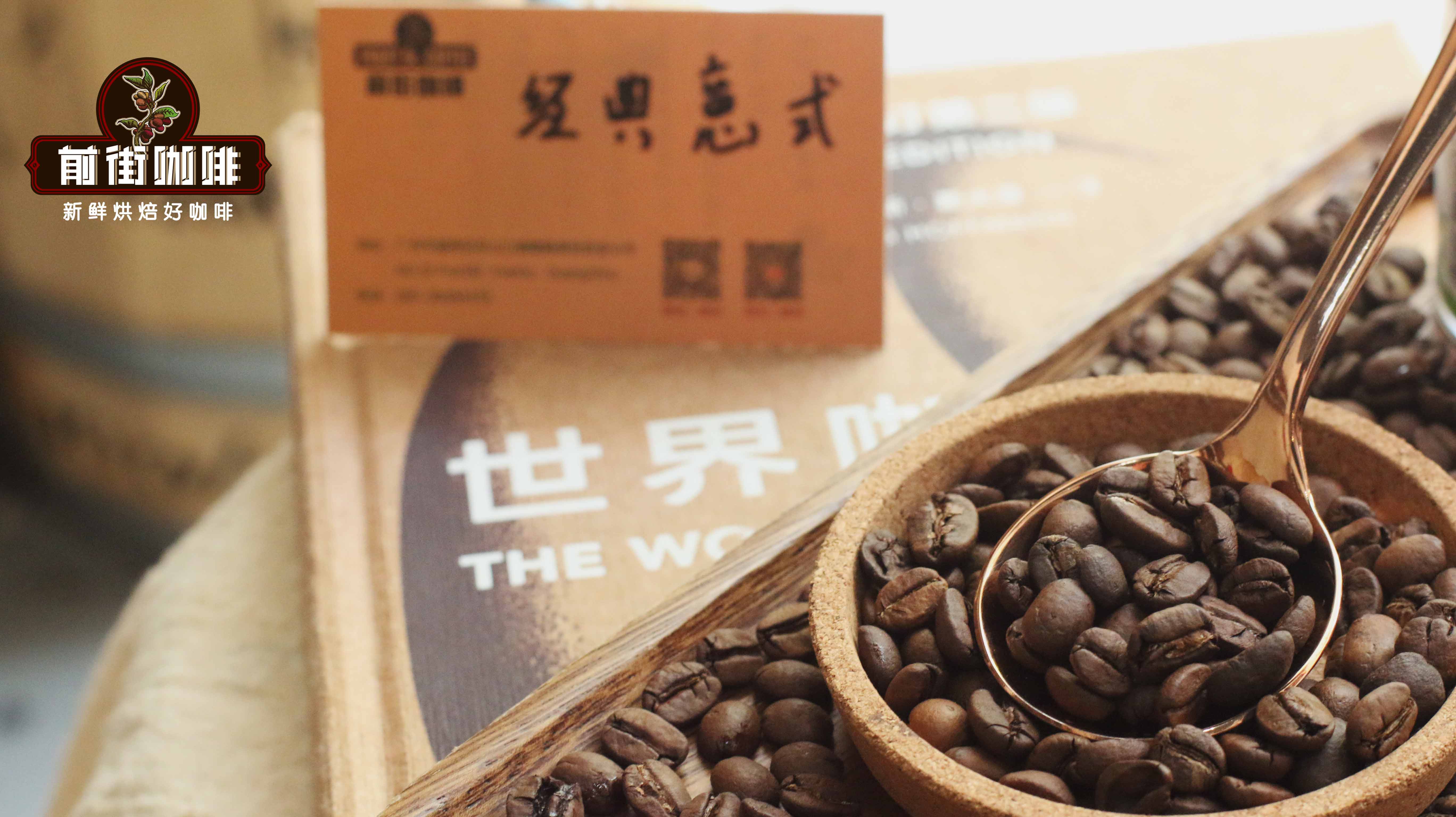
First,the choice of coffee beans will directly determine the base flavor of the latte. Take a classic dark roast blend, for example. These beans are typically a mix from producing regions such as Brazil, Indonesia, and Vietnam, roasted at high temperatures to bring out rich caramel, nutty, and chocolatey notes, while also easily forming a thick and stable crema. This type of blend suits drinkers who prefer a bold and full-bodied taste, and it performs consistently on most home espresso machines.

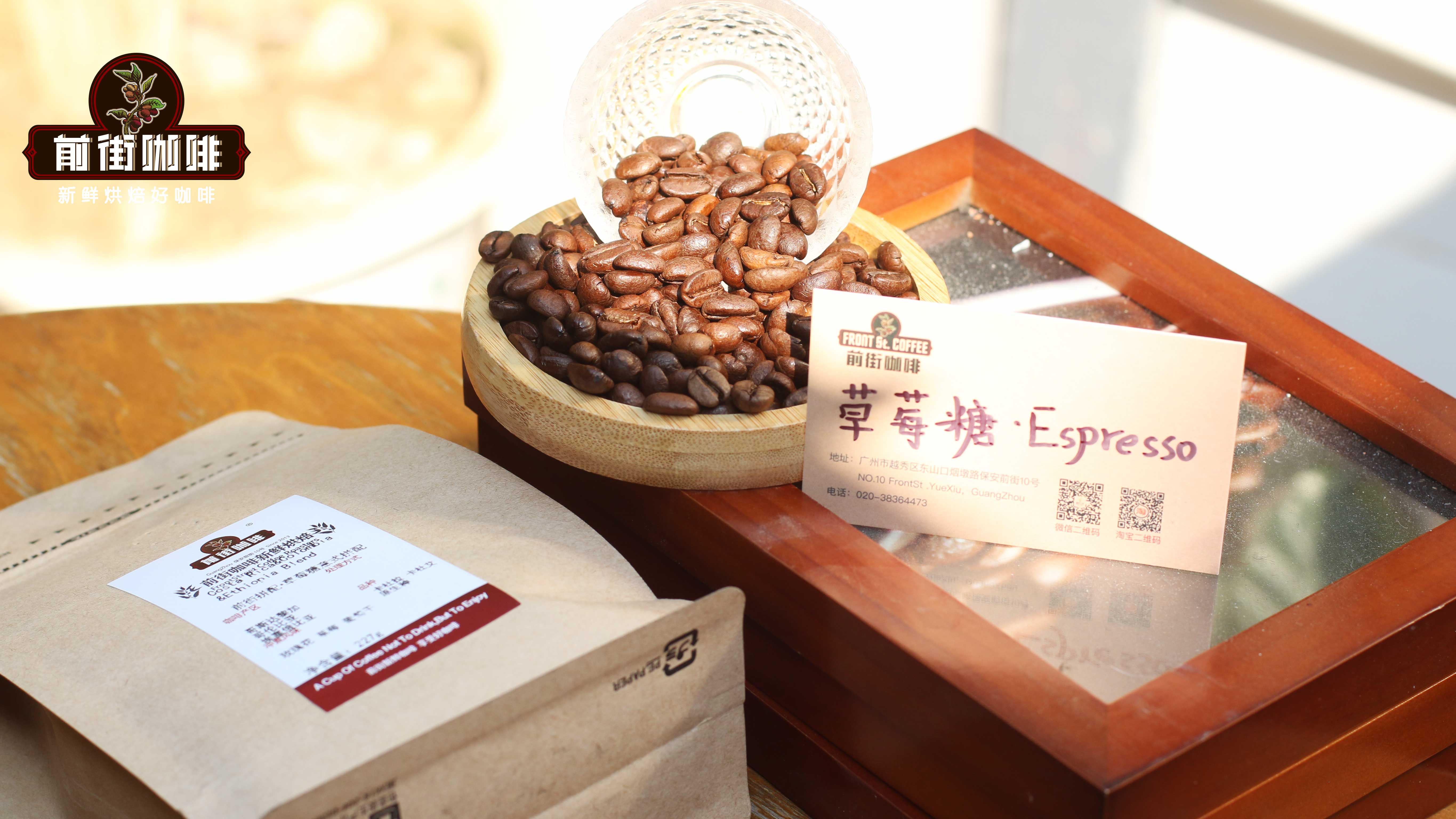
If you prefer a more layered flavor profile—something with floral and fruity aromas or soft sweetness—you might consider using a medium roast blend. For instance, some blends that combine Costa Rican and Ethiopian beans with a small amount of Colombian beans, and are processed using honey methods, can yield sweet-and-sour aftertastes reminiscent of strawberry taffy during extraction. When paired with milk, they highlight a balanced interplay of fruitiness and creaminess.
However, many people often encounter the issue of “why the flavor isn’t as expected” after buying freshly roasted coffee beans. This is often related toinsufficient resting time. Generally speaking, espresso beans need about 7 to 10 days of rest after roasting to allow residual carbon dioxide inside the beans to dissipate gradually. Only then will the extracted coffee flavors become stable and complete. The overall optimal flavor window is around 50 days, so it’s recommended to use the beans within this period for the best performance.

Aside from the beans,the choice and handling of milk are equally crucial. Different brands of fresh milk vary in fat content and protein structure, which affects the fineness and stability of the milk foam, thereby altering the texture and smoothness of the latte. It’s recommended to use whole fresh milk and to control the distance and angle of the steam wand when frothing, aiming for a temperature of about 50–60°C and a milk foam layer about 1 cm thick. The texture should be fine and fluid enough to blend uniformly with the espresso, creating a smooth mouthfeel.
When it comes to espresso extraction, many people think only high-end commercial machines can produce good coffee. But in reality, as long as you master the key parameters, even home machines in the price range of a few thousand yuan can stably produce double shots of decent quality. The recommended extraction formula is a 1:2 coffee-to-water ratio, with extraction time controlled between 25 and 30 seconds, while avoiding channeling, unstable flow rate, or abnormal phenomena like spraying through channels. These details directly impact the coffee's intensity, sweetness, and overall balance.
To make a hot latte, you can use 20 grams of coffee grounds with a target yield of 40 grams of espresso, extracted within 30 seconds. Pour the extracted espresso into a cup of about 300 ml, then use the steam wand to froth 220 ml of fresh milk to the appropriate temperature and foam state. Finally, combine the milk and espresso evenly, and you can create latte art if desired—completing a well-balanced hot latte.
If you prefer an iced latte, start by placing about 100 grams of ice cubes in a 300 ml cup, pour in 180 ml of fresh milk, and then slowly pour the 40 grams of espresso extracted from 20 grams of coffee grounds over the cold milk. This method preserves the original flavor of the coffee while lowering the overall temperature with ice, resulting in a refreshing drinking experience.
Regarding the coffee-to-milk ratio, common questions include “Should I use one or two shots?” and “What’s the right proportion?” In fact, there’s no absolute standard—it depends on personal preferences for bitterness versus creaminess. A general recommended range is a coffee-to-milk ratio between 1:4 and 1:8. For example, with a medium-dark roast blend, a 1:8 ratio (i.e., 40 grams of coffee liquid with 280 ml of fresh milk) can deliver a balanced and rich flavor; if you choose a medium roast bean with more pronounced fruity notes, you can adjust to a 1:6 ratio (240 ml of milk); and for single-origin beans like Huakui SOE, it’s recommended to use a 1:4 ratio (160 ml of milk) to highlight its unique light fruity aroma.
Lastly, it’s worth noting that many professional cafés are able to serve consistently delicious lattes because they’ve gone through countless adjustments and trials. Every aspect—from bean variety, roast level, resting time, extraction parameters, to milk pairing—has been optimized. So, if the flavor of your homemade lattes is inconsistent, try adjusting these details step by step. Through actual tasting and record-keeping, you’ll be able to find the combination that best suits your taste.
The above content is compiled by CoffeeHunters, a coffee news website.


