







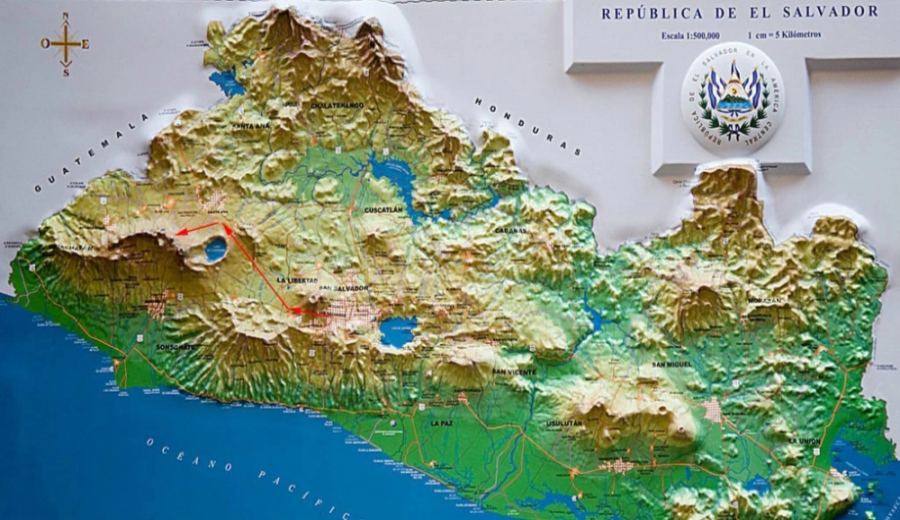
Introduction:As a rare hybrid variety originating from El Salvador, Pacamara boasts the large bean size of the Maragogype and unique flavor potential, yet it was long overlooked due to the challenges in processing. In 2007, it shone brightly at the Cup of Excellence competition and instantly became a rising star in the specialty coffee world. This article delves into the lineage, cultivation and processing challenges of Pacamara, and offers pour over recommendations and flavor profiles to help coffee enthusiasts fully understand this highly promising bean.
Pacamara is a specialty coffee hybrid variety developed in 1958 by the Salvadoran Coffee Research Institute. Its lineage combines the Bourbon variety 'Pacas' with the Typica variety 'Maragogype' (commonly known as Elephant Bean), hence the name 'Pacamara'—a blend of the initials of the two parent varieties. This unique combination not only inherits the large bean characteristic of the Elephant Bean but also brings rich and layered flavor potential, making it one of the most talked-about varieties in the coffee industry.
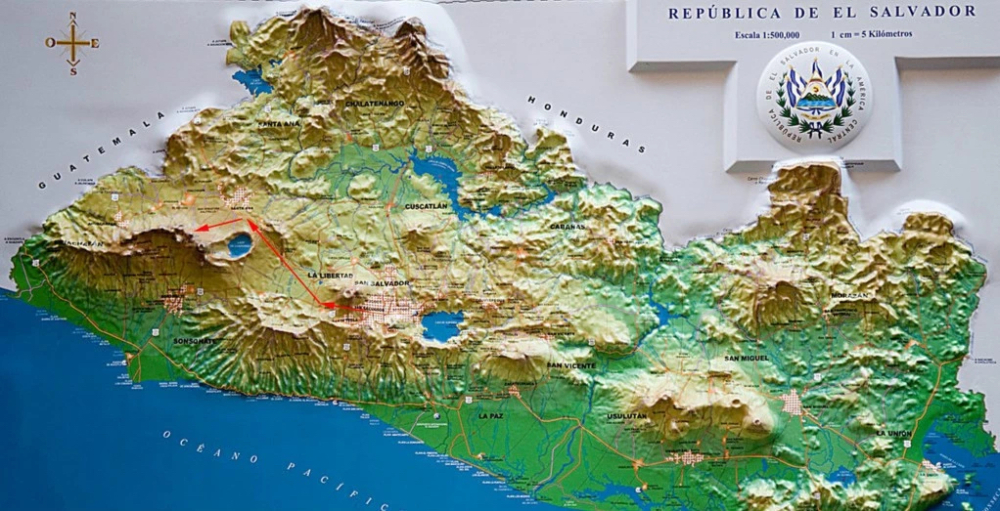
To understand Pacamara’s lineage, we must first get to know its two 'parent' varieties. The first is Pacas, a natural mutation of Bourbon that was first discovered and cultivated by a Salvadoran farmer—Don Alberto Pacas—in 1935. He noticed that some Bourbon plants on his farm were significantly more productive, and after identification, it was confirmed to be the result of a genetic mutation. This variety was subsequently named after him. With relatively high yields and good cup quality, Pacas has become one of the widely planted varieties among Central American coffee farmers.
The other parent of Pacamara is the renowned 'Elephant Bean'—Maragogype. This variety originated in Brazil in the 1870s and is known for its size, which is typically three times larger than that of regular Arabica beans, hence the vivid nickname 'Elephant Bean.' However, due to its large size, Maragogype often suffers from uneven roasting, often requiring low-temperature slow roasting to ensure the interior is properly roasted without burning the exterior.
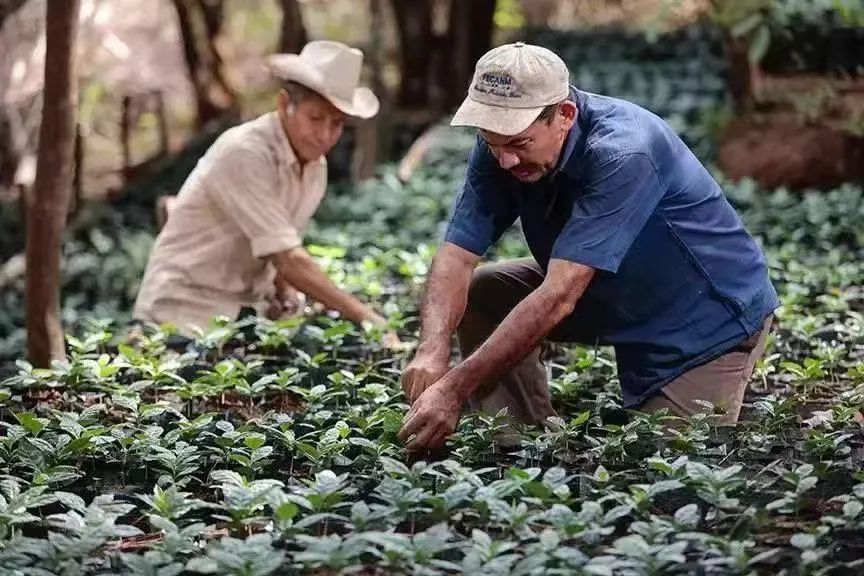
Pacamara combines the advantages of these two varieties, with its name derived from the first halves of their names. However, it did not fully inherit Pacas’ high-yield trait; instead, it inherited the large bean gene from the Elephant Bean, which presents significant challenges in cultivation and post-harvest processing. The bean size of Pacamara is second only to that of the Elephant Bean, ranking among the largest in Arabica species. This size not only makes the depulping and washing processes after harvesting more difficult but also increases the likelihood of beans getting stuck in the screens and pipes of processing equipment, leading to higher loss rates.
Moreover, most washed processing facilities have not adjusted their equipment for large beans and lack suitable screens and processing techniques, making the processing threshold for Pacamara much higher than for ordinary varieties. As a result, despite being developed as early as 1958, Pacamara remained obscure for the next half-century, being planted and studied only on a small scale.
The turning point came in 2007 when Pacamara made a remarkable splash at the Cup of Excellence competitions in Guatemala and Honduras, not only winning both championships but also taking the top three spots in the El Salvador division, defeating many strong contenders including Geisha. This outstanding performance led the coffee industry to re-evaluate the variety and gradually recognize its rich and diverse flavors—from intense tropical fruit notes and nutty aromas to a full body and long-lasting aftertaste, Pacamara demonstrated high drinking value.
Today, Pacamara has become one of the varieties that many specialty coffee farms are keen to plant, especially appealing to coffee enthusiasts who enjoy the challenge of pour over techniques and exploring complex flavors. For pour over lovers, it is recommended to use a medium-light roast, paired with fine grind and water temperature of 90–93°C. Through a multi-pour extraction method, its unique citrus, floral, and nutty finish can be better highlighted. However, due to its relatively large bean size, attention should be paid to whether the grinder is suitable for handling large beans to avoid affecting grind consistency.
Overall, the rise of Pacamara coffee is not only the result of varietal improvement but also the combined push of coffee processing technology and competition culture. For coffee professionals and consumers alike, understanding Pacamara’s historical background and processing challenges will help them more deeply appreciate this specialty coffee bean that combines challenge with surprise.
The above content is compiled by CoffeeHunters, a coffee news website.


