








Introduction:The moka pot is a practical tool for many coffee enthusiasts to recreate the flavor of espresso at home. By mastering the correct grind size, coffee-to-water ratio, and heating techniques, you can brew layered coffee even without professional equipment. This article provides a comprehensive guide to using a moka pot, including bean selection, funnel filling and tamping, extraction time, and solutions to common issues, helping you avoid over-extraction and burnt flavors, while also offering various brewing variations to easily elevate your home coffee experience.
Want to brew a rich and layered cup of coffee at home using a moka pot? The key lies in choosing the right coffee beans, precisely controlling the grind size, and mastering the timing of heating and turning off the heat. With just a few core techniques, you can enjoy an espresso-like experience similar to that of a coffee shop at home. The following will take you through the ins and outs of using a moka pot, making the brewing process smoother and the flavor more outstanding.
First, the moka pot is a pressure-based extraction tool, operating similarly to an espresso machine. It uses heat to generate steam pressure, pushing water through the coffee grounds to extract a concentrated coffee liquid. Therefore, it is recommended to choose medium to dark or dark roasted coffee beans, which help bring out a rich, balanced bitterness and sweetness. Especially well-roasted beans can release abundant caramel and chocolate notes, making them suitable for those who enjoy a strong flavor profile.

When it comes to bean selection, it is advisable to prioritize freshly roasted coffee beans. Beans within five days of roasting not only have the most vibrant aroma but also perform stably under the high pressure of a moka pot. Dark roast blends often bring out intense nutty, dark chocolate, and smoky aromas, making them suitable for both straight drinking or adding milk to make lattes.
As for the grind size of the coffee, this is one of the keys that affects extraction efficiency. The grind size required for a moka pot is finer than that for pour over but slightly coarser than that for a professional espresso machine. If ground too fine, it can lead to over-extraction and excessive pressure, and may even risk the pot cracking; if ground too coarse, the water flows too quickly, resulting in under-extraction, with the coffee tasting weak and lacking layers. Ideally, the coffee grounds should feel like fine salt, and when rubbed between two fingers, you can feel a uniform and fine granularity.It is recommended to adjust the grinder to a setting close to that of espresso, then fine-tune it to be slightly coarser to ensure a stable flow rate.

Next is the actual brewing process. First, prepare the necessary tools: a moka pot (choose a double or single serving one based on your needs), an appropriate amount of hot water, fresh coffee beans (around 18 grams is recommended), a grinder, and a heat source such as an electric stove or gas stove.
The first step is to add water. It is recommended to use hot water, which can shorten the heating time and speed up the extraction process. Pour the hot water into the lower chamber, keeping the water level below the safety valve, typically about 130 milliliters, depending on the capacity of the pot.
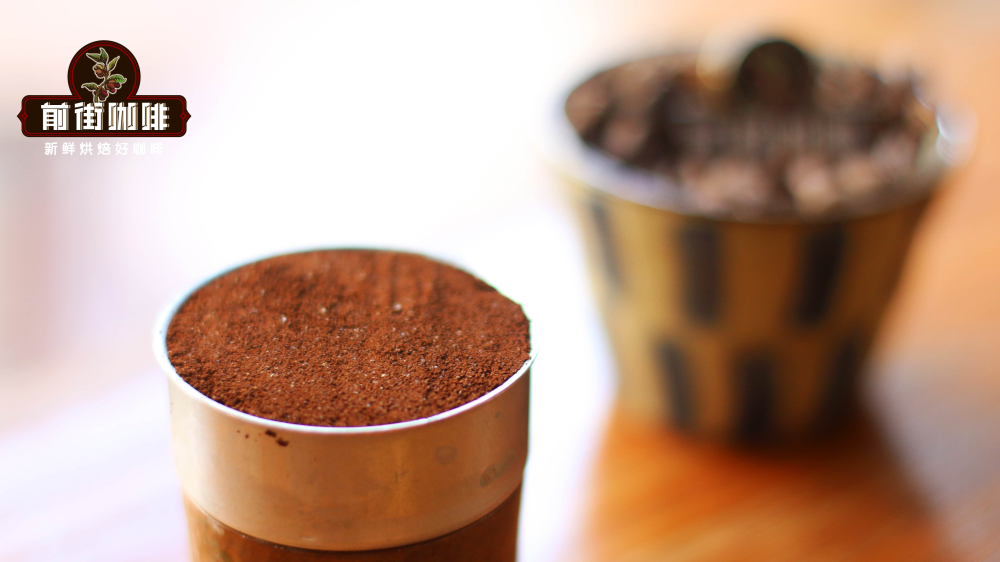
The second step is to fill the coffee grounds. Pour the ground coffee into the funnel, level it, and then gently scrape off any excess coffee, without over-tamping—especially when using finer grounds, as over-tamping can obstruct water flow, leading to abnormally high pressure. Before filling, you can lightly tap the funnel to distribute the coffee grounds evenly and prevent channeling, which can affect extraction consistency.

The third step is to assemble the upper and lower chambers of the moka pot and tighten them securely. If the water inside is hot, it’s recommended to use a damp cloth to handle the pot and avoid burns. Then place the moka pot on the heat source and begin heating.
As the bottom of the moka pot gradually heats up, when you hear a clear hissing or bubbling sound, it means the water has started to turn into steam and is about to push the coffee liquid upward. At this point, immediately reduce the heat to low or medium to maintain stable pressure and avoid over-extraction or splattering caused by excessive pressure.
When the coffee liquid starts to flow out steadily, observe the flow rate and color. When about half of the liquid has flowed out, it is recommended to turn off the heat and let the remaining heat in the pot complete the final extraction. This effectively prevents the burnt bitterness caused by over-extraction.
Finally, pour the coffee into a cup and let it sit for a moment before enjoying. If you taste a noticeable burnt bitterness, it may be due to too long an extraction time or too high heat; next time, turn off the heat earlier. If the taste is too sour or astringent, it may be due to too coarse a grind or insufficient pressure—you can adjust the grind size or extend the extraction time. Try a few times, and you’ll be able to find your own optimal extraction parameters.

In addition to making traditional-style espresso, the moka pot can also be used to create a variety of drinks. For example, drinking it directly gives you the classic espresso flavor; adding hot water makes an Americano; mixing it with steamed milk produces a rich latte. If you enjoy creative drinks, you can also try adding sweetened condensed milk or coconut milk to create a Vietnamese coffee-style flavor, adding different layers of sweetness and aroma.
The above content is compiled by CoffeeHunters, a coffee news website.


