







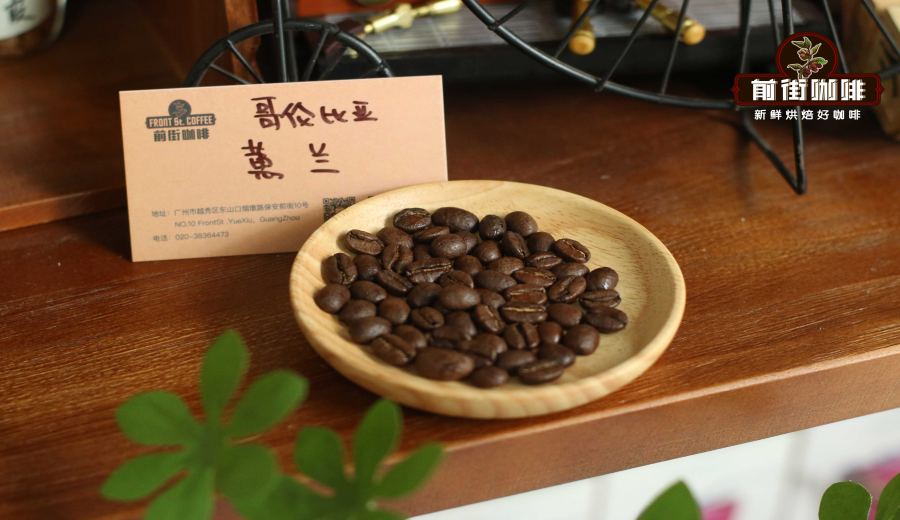
Introduction:Colombian coffee holds a significant place in the global market with its balanced and elegant flavor profile. Its diverse growing regions and strict grading system contribute to a rich and varied spectrum of flavors. This article delves into the distribution of Colombian coffee-growing regions, variety characteristics, processing techniques, and offers practical pour-over brewing suggestions and parameters to help readers master key skills from bean selection to brewing, thereby deeply appreciating the unique charm of Colombian coffee.
Colombia is a globally renowned producer of Arabica coffee, known for its balanced flavor and delicate aroma. Whether you're a beginner coffee enthusiast or a specialty connoisseur seeking unique flavors, understanding Colombia’s coffee regions and grades can help you choose beans that best suit your taste. This article will detail Colombia’s major coffee-growing regions, common varieties, processing methods, and how to select appropriate brewing equipment and parameters based on different processing techniques.
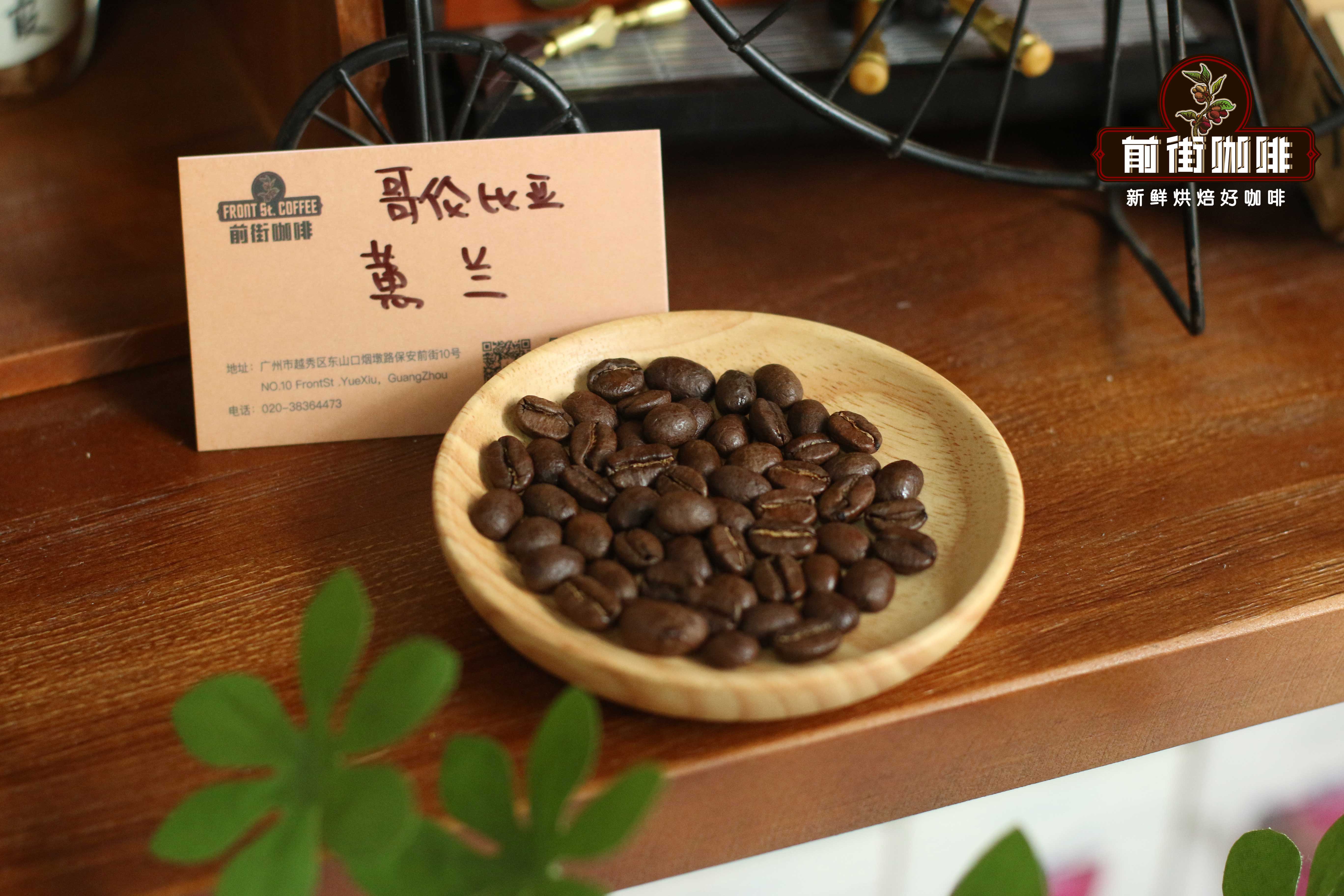
Colombian coffee beans are known for their plump appearance and uniform color, which is inseparable from the country’s superior geographical environment. Located in the northwest of South America, Colombia spans multiple altitudes and climate zones, boasting rich volcanic soils and moderate rainfall, with annual precipitation generally ranging between 2000 to 3000 millimeters. The climate is mild and humid, coupled with distinct day-night temperature variations, providing ideal natural conditions for coffee cultivation. Colombia’s coffee-growing areas span multiple microclimates, enabling fresh beans to be harvested year-round, resulting in a stable and high-quality supply.
Colombian coffee is globally recognized for its “soft yet layered” flavor. Compared to the often bold and full-bodied taste of Brazilian coffee, Colombian coffee offers a more refined flavor, with gentle acidity, natural sweetness, and aromatic complexity. Its products are marketed not only by country name but also stand out in the international specialty coffee market due to its rigorous regional management system and quality control. Especially in high-altitude regions such as Huila, Cauca, and Tolima, the coffee produced is highly praised for its bright acidity and rich fruit notes.
Colombia’s main coffee-growing regions are concentrated in the southern high-altitude areas, mostly above 1500 meters in elevation. These regions include San Augustin in Huila Province, Popayan in Cauca Province, as well as Narino and Tolima Provinces.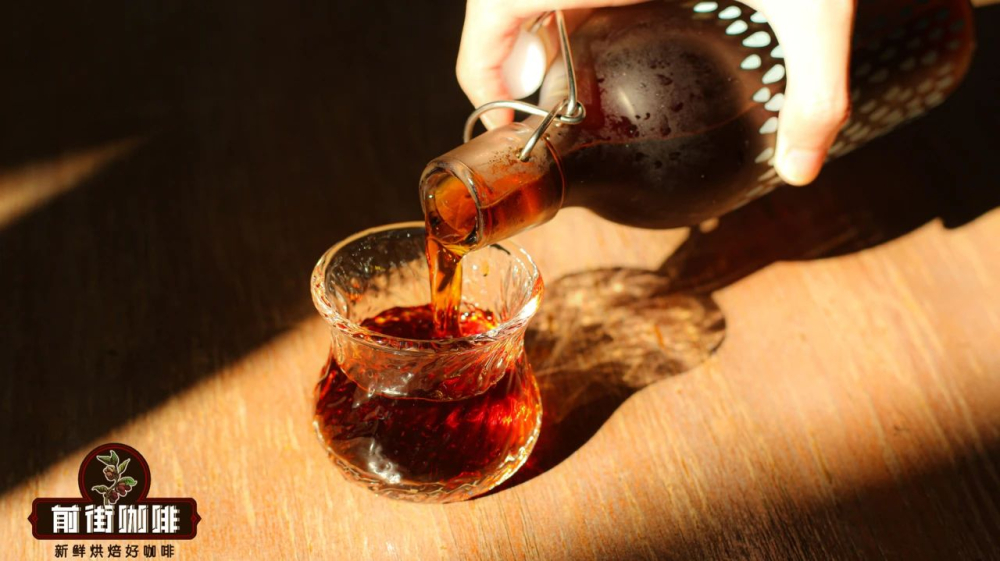 The coffee produced in these regions generally features bright acidity, delicate berry and floral notes, along with an elegant caramel sweetness, making them the high-quality representatives in the eyes of many specialty coffee enthusiasts. The traditional ‘MAM’ regions—Medellin, Armenia, and Manizales—are known for their stable and balanced flavor profiles and are commonly used as base beans in many commercial and specialty blends.
The coffee varieties grown in Colombia mostly belong to the Arabica species, with mainstream varieties including Bourbon, Caturra, Typica, and Catuaí. Among them,Caturra and Catuaí are the most commonly cultivated varieties.Both are derived from the Bourbon genetic line and offer relatively high yields and good flavor potential. In addition, many small farms have also begun planting new varieties such as Geisha, Colombia (a proprietary variety name, not the country), and Castillo. These varieties, when enhanced by special processing methods, often exhibit unique aromas and layered flavor complexities.
Colombia is renowned for its washed processing method and is the world’s largest exporter of washed coffee beans. Washed processing highlights the intrinsic flavors of the coffee beans, with clear acidity and defined sweetness, making it the preferred processing method for many specialty coffees. The washed process typically includes: removing floaters, stripping the outer skin and pulp, fermenting to remove mucilage, rinsing with clean water, and finally drying in the shade or sun. This processing method preserves the cleanliness and delicate balance of acidity and sweetness in the coffee, and is the most commonly used processing technique in classic regions such as Huila in Colombia.
In addition to traditional washed processing, Colombia has gradually developed various special processing methods, such as anaerobic fermentation and wine barrel aging. These innovative processes can elicit distinct flavor characteristics, such as intense fruitiness, noticeable wine-like notes, or unique fermentation sensations. For example, Sidra and Maragogype coffees produced by certain farms are processed in anaerobic environments, showcasing respectively a wine-like richness and the vibrant juiciness of berries.
In terms of extraction and brewing, it is recommended to choose suitable equipment and parameters according to roast level and processing method. For medium to dark roasted Sidra coffee, the KONO filter cone can be chosen, with water temperature controlled at 88°C and a coffee-to-water ratio of 1:15, suitable for presenting a rich and layered flavor profile; for medium-light roasted Sidra or Maragogype, it is recommended to use the Hario V60 filter cone, with water temperature at 90°C, which can highlight fruitiness and bright acidity. It is generally recommended to use a staged extraction method: first pre-wet the coffee grounds with twice the amount of water for 30 seconds, then pour in stages until reaching a total of 225 grams, with the total extraction time controlled around 2 minutes, which can fully bring out the aroma and flavor layers of the coffee.
Regardless of the processing method or roast level chosen, maintaining the freshness of the coffee beans is key. It is recommended to use the beans within 5 days of roasting and allow them to go through a 4 to 7-day degassing period to reach optimal flavor.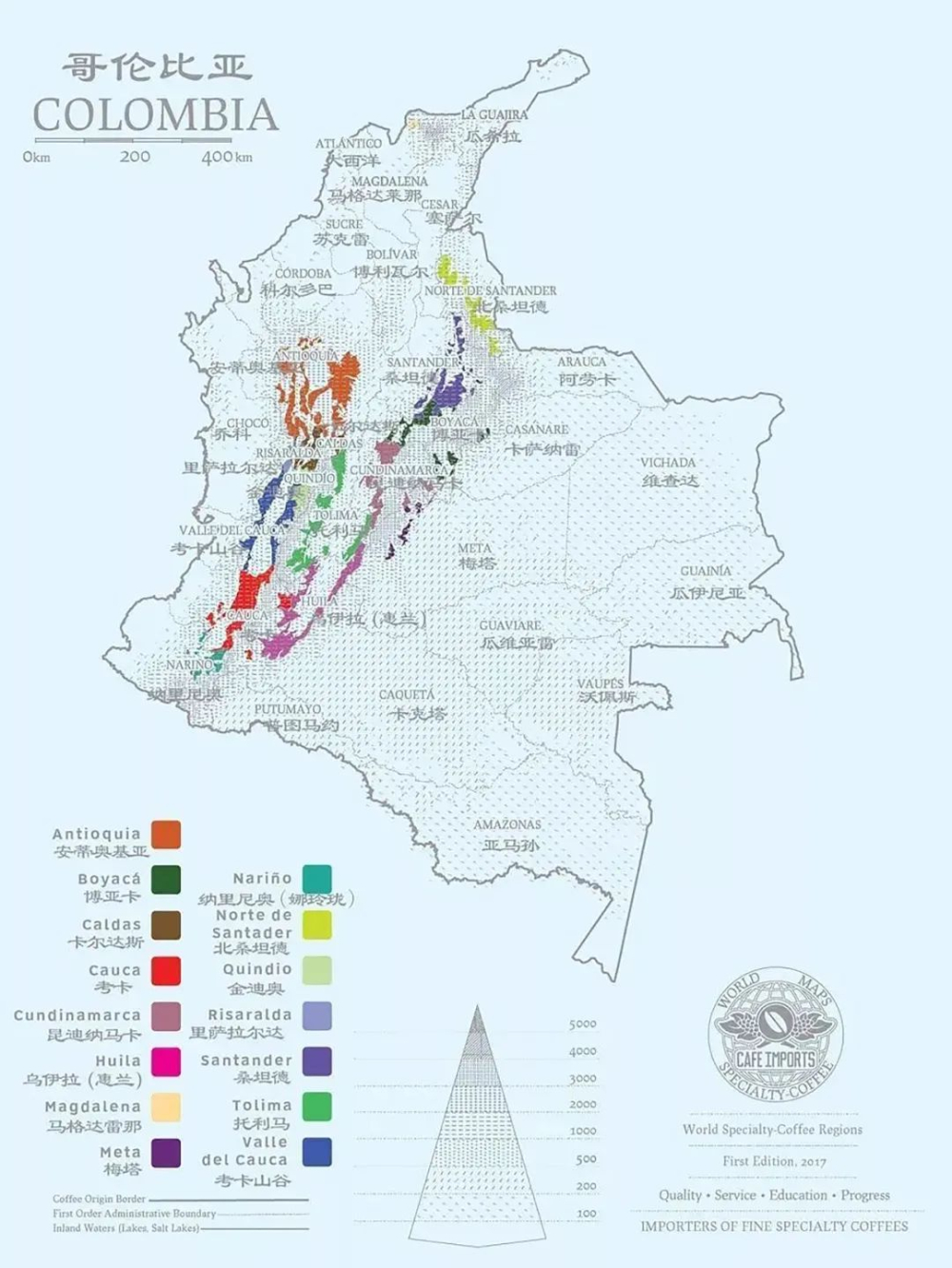 If choosing coffee powder, it is advised to use it as soon as possible to avoid flavor degradation due to oxidation. By mastering the region, variety, processing method, and brewing parameters, one can more precisely select and brew a cup of Colombian coffee that suits their personal taste.
The above content is compiled by CoffeeHunters, a coffee news website.


