







Introduction:From the highlands of Africa to the rainforests of South America, the diverse geographical environments and processing methods around the world shape the distinctly unique flavor profiles of coffee beans. This article highlights six representative coffee-producing regions—Yirgacheffe in Ethiopia, Kenya, Brazil, Indonesia, Panama, and Yunnan in China—providing an in-depth analysis of each region’s coffee bean varietal genetics, processing techniques, and flavor characteristics, along with key parameter references to help pour over coffee enthusiasts discover their preferred flavor profiles.
Coffee, along with cocoa and tea, is recognized as one of the world’s three major beverages. Though it has been introduced to China for over a hundred years, it has only truly become integrated into everyday life in the past decade or so. With the rise of the specialty coffee trend, more and more consumers are beginning to explore the unique characteristics of coffee beans from different origins. This article will focus on six highly representative coffee-producing regions globally—including Yirgacheffe in Ethiopia, Kenya, Brazil, Indonesia, Panama, and Yunnan in China—providing a detailed introduction to the varietal backgrounds, processing methods, and flavor profiles of coffee beans from these areas, while retaining key parameters as reference points for choosing beans for pour over.
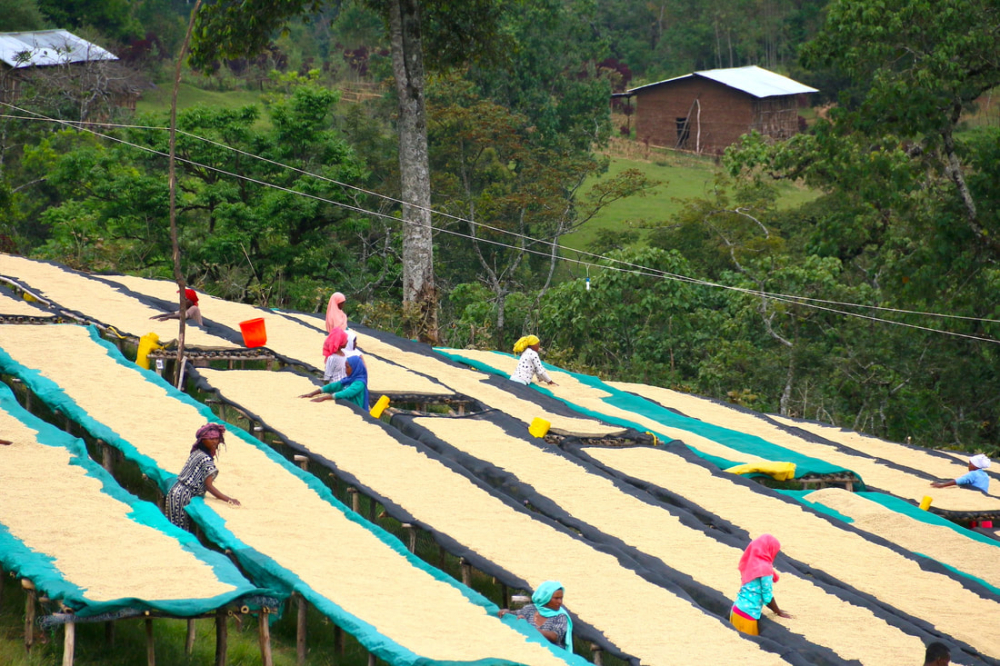
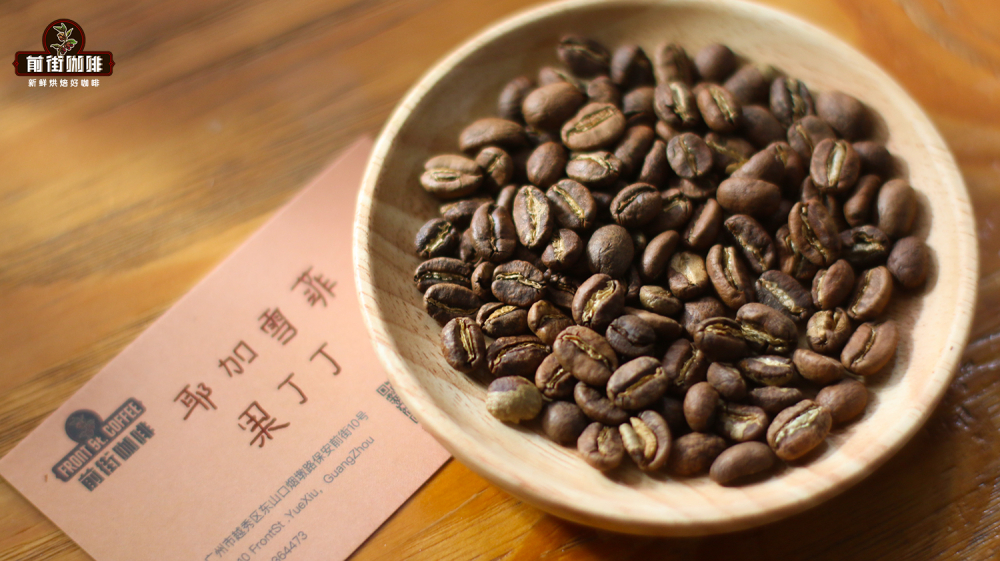
The first stop is Yirgacheffe in Ethiopia, a region often mentioned by beginners. Originally a sub-region of Sidamo, it eventually broke away to become an independent producing area due to the exceptionally bright acidity, clean mouthfeel, and delicate floral notes of its coffee beans, which far surpass those of its peers. Han Huai-Zong described its flavor in "The World of Specialty Coffee" as “flowers blooming in your mouth upon drinking,” a fitting description. The coffee beans produced by the Gedechu Cooperative in Yirgacheffe are grown at altitudes between 2000 and 2100 meters, using local heirloom varieties and the washed processing method. They exhibit layered flavors of citrus, black tea, floral notes, cream, caramel, and almonds, with a pronounced tea-like mouthfeel and a lemon-tea-like bright acidity—ideal for pour over enthusiasts who prefer fruity and acidic profiles.
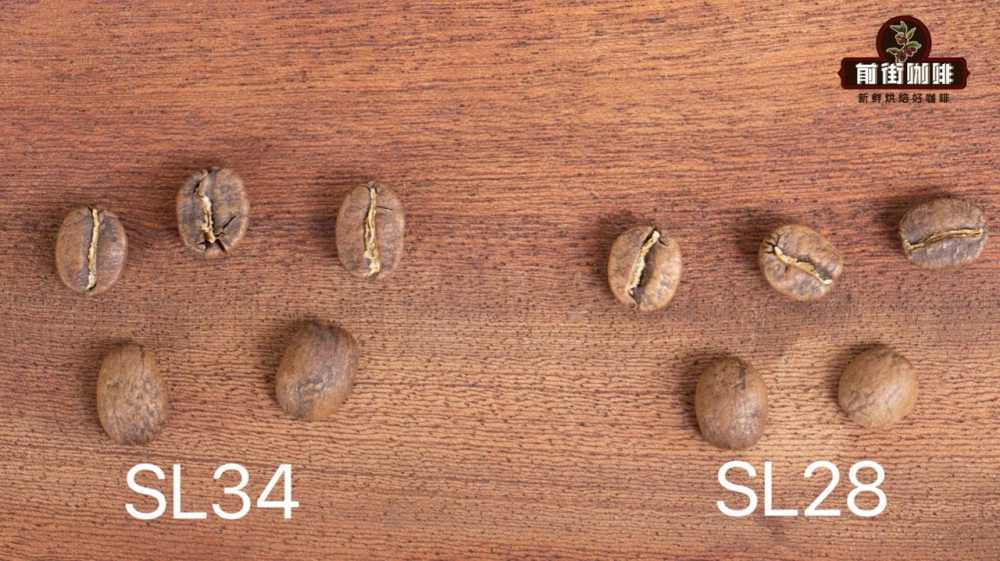
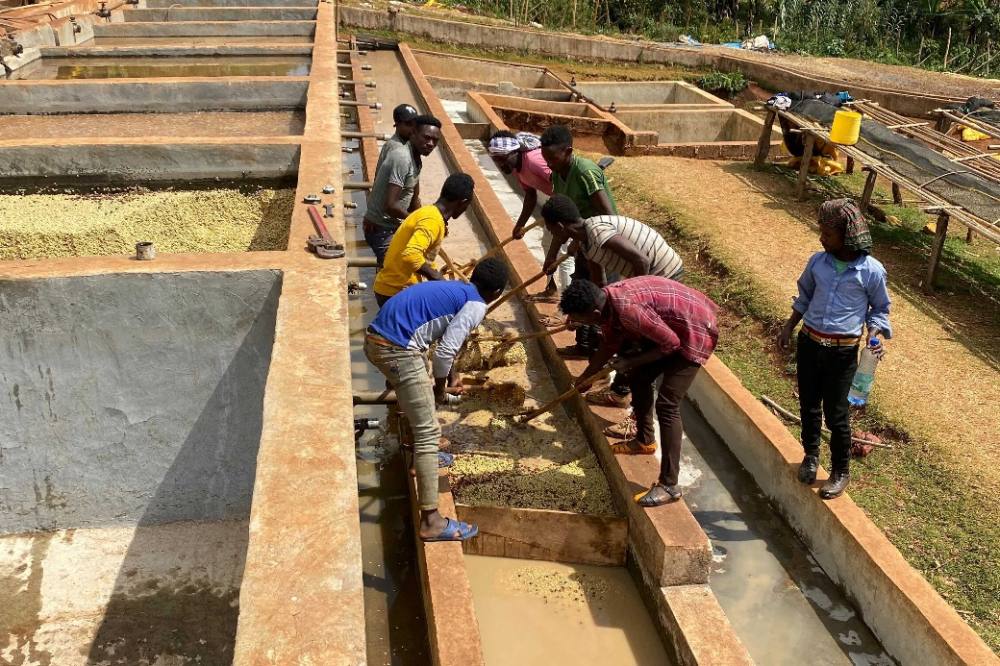
Next, we head to eastern Africa—Kenya. The coffee varieties here originate from Bourbon and Kent from India, later incorporating the Typica variety from Jamaica’s Blue Mountains, taking root in the Mount Elgon region. The most well-known SL28 and SL34 varieties were both cultivated by the Kenya Agricultural & Livestock Research Organization (formerly the Scott Laboratories), with the former being drought-resistant and pest-resistant, suitable for medium to high altitudes, and the latter favoring high-altitude, rainy environments. Their flavors are similar, but SL34 boasts richer acidity and a fuller body. The most iconic trait of Kenyan coffee—the bold blackberry acidity—is derived not only from the phosphate-rich soil but also from the unique K72 washed process. This involves depulping the coffee cherries, fermenting them for 24 hours, then washing them, and repeating this 24-hour fermentation and washing cycle three times for a total of 72 hours of deep fermentation, resulting in a bright, clean, and full-bodied cup. The Kenya Cherry Tomato is produced by the Asali mill in the Thika region, grown at altitudes between 1550 and 1750 meters, using the SL28 and SL34 varieties, and displays a complex profile of Sydney pear, dark plum, brown sugar, cherry tomatoes, and plums.
As the world’s top coffee producer, Brazil’s coffee story began in the 1720s. Legend has it that a Portuguese captain won the favor of the wife of the governor of French Guiana through his charm, successfully bringing coffee seeds to Brazil. Most Brazilian coffee is grown at low altitudes ranging from 400 to 1600 meters, using the natural (sun-dried) cultivation method. The cherries ripen quickly, have low density, and softer texture, creating a soft bean style distinct from African beans. Its flavors are characterized by low acidity, prominent nuttiness, chocolatey sweetness, and a full body, occasionally accompanied by woody or earthy notes. Floral and fruity notes are not prominent, making it the go-to choice for those who dislike acidity in their pour over. The Brazil Queen Estate comes from the Mogiana region, grown at altitudes between 1400 and 1950 meters, using the Yellow Bourbon variety and the natural processing method. Its flavor profile showcases the gentle qualities of nuts, creamy peanuts, cane sugar, and fermented fruit.
Among Indonesian coffees, none is more widely known than Mandheling from Sumatra. The region experiences abundant rainfall year-round and short daylight hours. Sun-drying can easily lead to fermentation or mold issues, while washed processing requires significant water resources. Therefore, the unique semi-washed method—known as wet hulling—is commonly used. The process involves: pulping the coffee cherries and soaking them for 1 to 2 hours, frictionally removing part of the mucilage, drying them to a moisture content of 20% to 35% in the first stage (before the mucilage solidifies), then sending them to a processing facility for a second drying stage down to around 18%, hulling off the parchment layer, and finally drying to 11%. This method gives Mandheling its distinctive low acidity, thick body, and earthy aroma, though quality stability can be more affected by the green bean quality. The Indonesian Golden Mandheling is produced in the Gayo Highlands of North Sumatra, grown at altitudes between 1100 and 1600 meters, using the Ateng variety, and offers flavors of spice, nuts, pine, caramel, herbs, and chocolate.
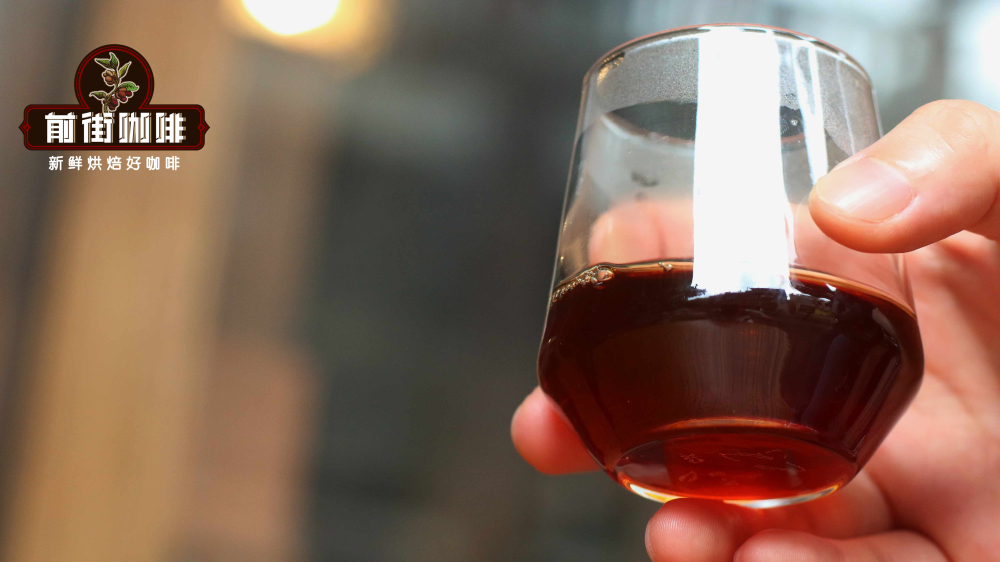
In Central and South America, Panama gained fame thanks to the Hacienda La Esmeralda estate and the Geisha variety. Geisha was introduced to Panama in the 1960s and, after more than forty years of development, rose to worldwide prominence after winning the Best of Panama competition in 2004. This variety is extremely particular about its growing environment, requiring high altitudes, shaded cultivation, and fertile soil—all of which contribute to its delicate floral notes and elegant fruit acidity, making it a prized choice for specialty coffee enthusiasts. The Hacienda La Esmeralda Red Label Geisha is produced in the Boquete region, grown at altitudes exceeding 1700 meters, using the natural processing method, and showcases a layered profile of citrus, jasmine, honey, and berries.
Finally, we arrive in Yunnan, China. Coffee cultivation here dates back to the late 19th century, with the early variety being Typica. Later, due to international promotion of the Catimor variety—which is disease-resistant but less flavorful—it gradually became the mainstream. Yunnan coffee is primarily distributed across regions such as Lincang, Baoshan, Pu’er, and Dehong, with Lincang offering a climate with distinct dry and wet seasons and abundant sunshine, suitable for coffee growth. With its own estate located in Lincang, the sun-dried Typica beans are grown at an altitude of 1300 meters and present a balanced combination of berry, brown sugar, nut, and tea-like notes—offering consumers a new option for exploring local flavor profiles.
The above content is compiled by CoffeeHunters, a coffee news website.


