








Introduction:New to pour over coffee and not sure which beans to start with? This article systematically introduces the fundamental principles of pour over brewing and essential tools, featuring 7 everyday-grade specialty coffee beans from classic origins such as Ethiopia, Guatemala, and Colombia. These beans showcase diverse flavors including citrus, floral, nutty, chocolatey, and woody-spicy notes. It also provides detailed insights into each origin’s background, processing methods, and roasting approaches to help you find beans that match your flavor preferences.
Want to brew your own pour over coffee but unsure where to start with the beans? Based on real brewing experience, this article explains the core principles and basic tool setup of pour over coffee in an easy-to-understand way. We’ve carefully selected 7 everyday-grade specialty beans from globally renowned coffee origins for beginners. These beans are not only affordable but also highlight distinct regional flavor characteristics—from the iconic citrus and floral notes of Ethiopian Yirgacheffe, to the clean fruitiness of Guatemala Huehuetenango, the nutty-chocolate profile of Colombian Huila, the balanced richness of Brazilian Cerrado, the gentle acidity of Costa Rica Tarrazú, the unique woody-spicy tones of Indonesian Mandheling, and the sweet brown sugar and fruity notes of Chinese Yunnan Baoshan. Each bean comes with detailed information on its origin environment, processing method, and roasting strategy to help you pinpoint your personal flavor preferences.
In recent years, more and more people have moved beyond buying ready-made coffee drinks and started trying to brew at home. This article focuses on key aspects of pour over extraction and analyzes which coffee beans are more beginner-friendly.
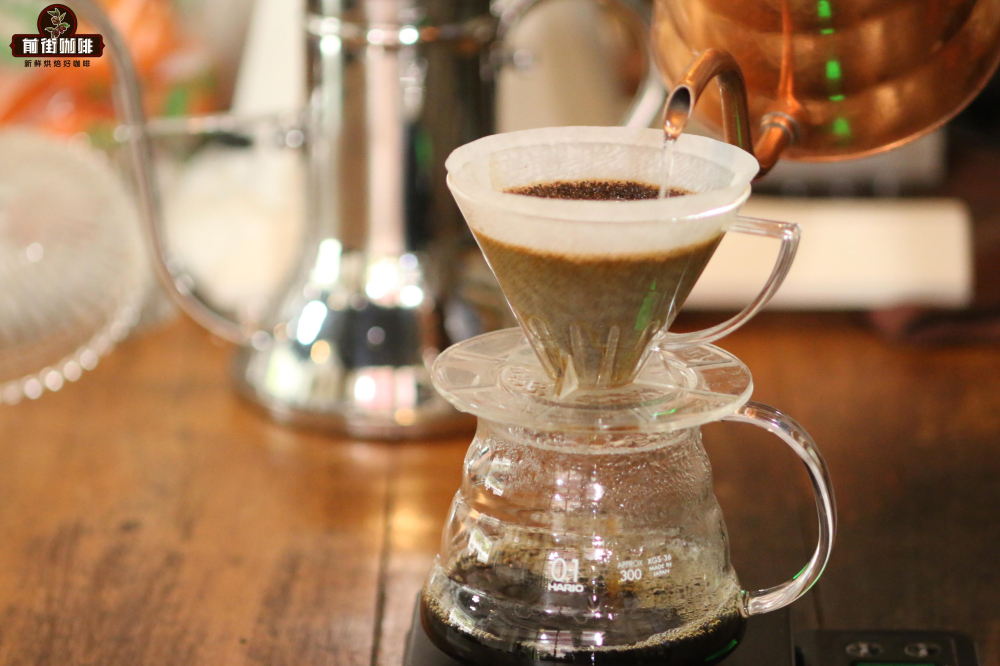
What is pour over coffee? Simply put, it’s the process of using hot water to extract aromatic compounds and soluble components from roasted coffee grounds through contact. Commercially available roasted beans have undergone high-temperature roasting, generating a wealth of volatile compounds. The essence of pour over brewing is to use hot water and a filter system to efficiently release these flavor substances while separating out the coffee grounds. The general process involves grinding the coffee beans into uniform particles, slowly pouring hot water through the coffee bed, using filter paper (or alternative filtering materials) to trap the grounds, and finally obtaining a clear black coffee. It’s worth noting that every step—from bean variety selection, grind size, water temperature control, to pouring technique—can significantly impact the final flavor.
To brew an ideal cup of pour over coffee, in addition to high-quality coffee beans, basic tools are equally essential. Based on practical experience, it is recommended to have at least the following tools: a pour over kettle with precise temperature control (to ensure stable water temperature), a filter cone and filter paper (or metal filter) for separating coffee grounds, a server to catch the brewed coffee, a grinder with adjustable grind settings, an electronic scale to record data (for monitoring brew ratio and time), and a thermometer to measure water temperature. These tools can help you more consistently reproduce the desired flavors.
The freshness of coffee beans is the foundation of flavor. It is recommended to prioritize beans with a roast date within 4 to 30 days—this period is when the beans are at their peak in terms of flavor, offering stable extraction and fully showcasing their regional characteristics. To ensure freshness, coffee beans are typically shipped within 5 days after roasting and can arrive in 1 to 3 days, so most will still be within the optimal tasting window upon arrival, allowing you to start practicing your brewing right away.

If you’re worried about wasting high-priced limited-edition beans due to improper technique, consider starting with cost-effective everyday beans. Below, we’ve selected 7 representative beans from globally classic origins, covering different altitudes, varieties, and processing methods to help you quickly identify the typical flavor profiles of each origin.
 Ethiopia · Washed Yirgacheffe
When it comes to Yirgacheffe, most people immediately think of bright citrus (like lemon, orange), berry acidity, and elegant white floral notes (such as jasmine and gardenia), paired with a light tea-like body—creating an unforgettable, refreshing taste. Achieving this delicate flavor relies on a high-quality growing environment, careful varietal selection, washed processing, and precise roasting. Although the country has limited water resources, after introducing South and Central American washed coffee techniques in 1972, the Yirgacheffe region (with its humid environment) stood out as particularly suitable for washed processing—this method effectively removes defective beans, reduces impurity rates, and highlights the coffee’s cleanliness and aromatic complexity. This everyday bean is medium-light roasted to preserve vibrant fruit acidity and the classic Yirgacheffe character, making it suitable for various brewing methods such as pour over, cold brew, and French press.
Guatemala · Washed Huehuetenango
Huehuetenango is located in the western highlands of Guatemala. Though not a volcanic region, it sits at an altitude of up to 2,000 meters with a dry climate and frequent tectonic activity, resulting in diverse terroir conditions. The area is primarily covered by volcanic soil, and the northwestern region is influenced by Mexico’s dry, hot winds, allowing coffee trees to thrive at high altitudes. Guatemala grades its beans by altitude, and most Huehuetenango beans are classified as SHB (Strictly Hard Bean, the highest grade). This everyday bean is washed processed to emphasize a clean profile, with medium-light roasting bringing out rich citrus and nutty aromas, alongside bright yet non-harsh acidity.
Colombia · Washed Huila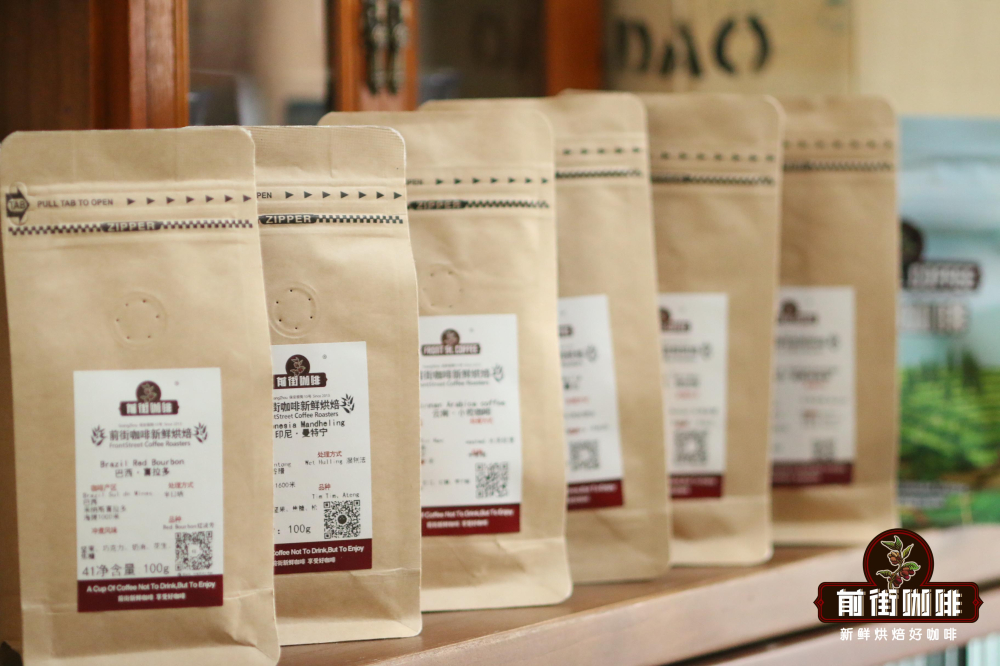
The Huila region is located on the southwestern flank of the Andes Mountains in Colombia, adjacent to the Huila volcano. The volcanic ash soil is rich in nutrients, with moderate rainfall and pleasant temperatures year-round, enabling coffee cultivation at elevations above 2,000 meters. The coffee produced here offers a bright acidity paired with a chocolatey finish. The region is dominated by smallholder farmers (most farms are less than 1.5 hectares), who plant shade trees to protect the coffee plants and carefully select ripe cherries for processing. This medium-dark roasted washed Huila bean balances soft acidity with a rich aftertaste, highlighting the classic Colombian nutty profile.
Brazil · Natural Cerrado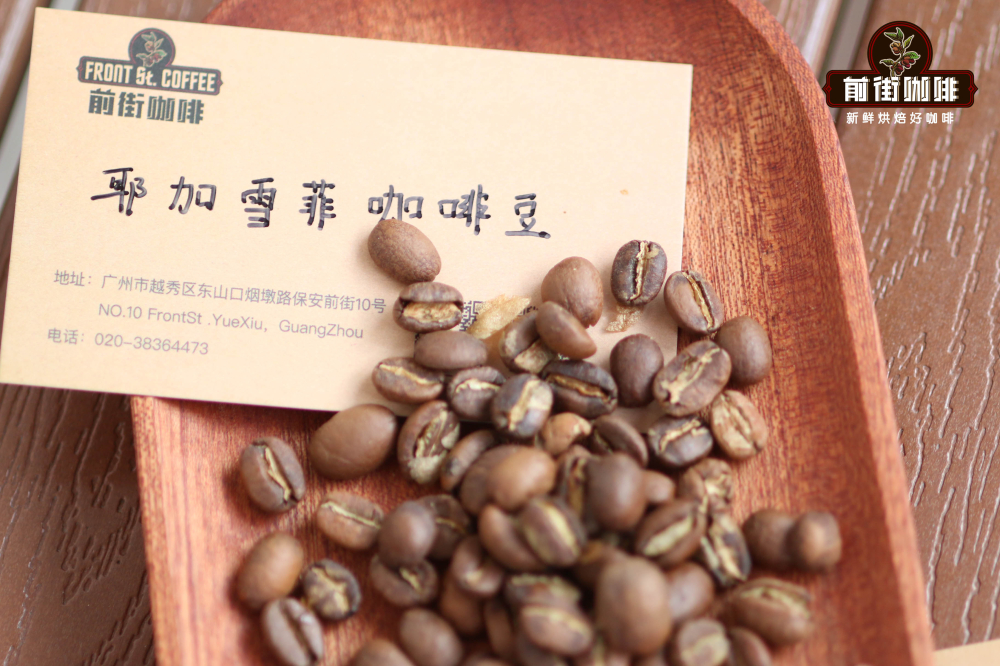
Brazilian coffee farms are mostly located in low-altitude plains (usually a few hundred meters), where large-scale planting leads to faster fruit ripening and less pronounced acidity, but the coffee has a smooth and balanced taste, making it a common base for espresso. The Cerrado region is situated in the northwest of Minas Gerais state, at an altitude of 800–1,300 meters. It experiences distinct seasons (humid summers and dry winters) and has mineral-rich soils. The coffee produced here carries nutty and creamy aromas, with a rounded and classic mouthfeel. This semi-natural processed Red Bourbon bean showcases the region’s signature smooth and balanced profile.
Costa Rica · Washed Tarrazú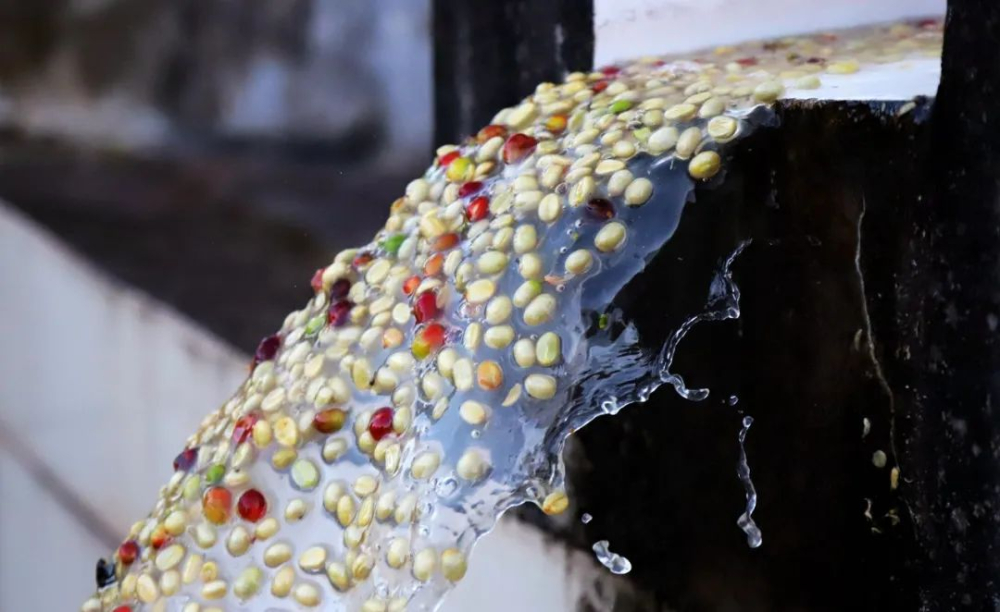
Costa Rica benefits from the interaction of Pacific and Atlantic climates, offering excellent microclimates. Its fertile, well-drained volcanic soils provide ideal growing conditions for coffee. Tarrazú, located south of the capital San José (at an altitude of 1,200–1,700 meters), features a cool climate and volcanic ash soil that impart diverse acidity and a full body to the coffee. The region has a well-developed specialty coffee industry with continuously improving processing techniques. This everyday bean blends the Caturra variety (known for prominent fruit acidity) and the Catuaí variety (offering a stable nutty profile). After medium-light washed processing, it achieves a balanced and soft flavor, making it a great introduction to the classic style of Costa Rican coffee.
Indonesia · Wet-Hulled Mandheling
Indonesia’s hot and humid environment gave rise to the unique wet-hulled method: after removing the pulp and fermenting, the mucilage is washed off, then the beans are dried with their parchment layer for a short time until they reach 20–24% moisture content (semi-dry state). The parchment is then removed and drying continues to 13%. This process, due to friction, often damages the bean surface, giving it a grayish-green appearance. The long-term humid conditions also encourage specific microbes that impart the woodsy, spicy, and herbal notes characteristic of “Mandheling flavor.” This Mandheling everyday bean showcases the classic traits of this origin.
China · Washed Baoshan
In recent years, the quality of coffee from Yunnan has improved significantly, and the Baoshan region has gained attention for its unique advantages. The dry-hot valley climate around Luguiba features small annual temperature variations but large diurnal temperature differences, along with relatively low rainfall, fostering smallholder Arabica beans with a pronounced aftertaste. This everyday bean, processed with the washed method and medium-light roasted, highlights chocolate, nut, and brown sugar aromas while retaining moderate acidity (such as plum-like tartness), resulting in a balanced cup with no off-flavors—it’s an excellent choice for experiencing the flavors of domestic coffee. Note that some sellers use flavor enhancement to mask defects, whereas sticking to natural processing helps preserve the true regional characteristics.
The above content is compiled by CoffeeHunters, a coffee news website.


