








Introduction:The moka pot is the go-to choice for many coffee beginners entering the world of espresso, offering simple operation yet delivering a taste similar to that of an espresso machine. This article will detail how to choose the right coffee beans, master the correct grind size, and guide you step-by-step through the entire process from pouring water to extraction. It also teaches you how to determine whether the extraction is over or under, and provides multiple practical brewing methods to help you easily make a balanced and flavorful shot of espresso.
As a classic and easy-to-use home coffee tool, the moka pot has long been the first choice for many coffee lovers to get acquainted with espresso. Not only is it compact and intuitive to operate, but it can also easily replicate café-grade espresso flavor at home. This article, with both images and text, will take you in-depth into every aspect of making espresso with a moka pot—from selecting coffee beans and controlling grind size, to the actual brewing process and adjustments for common issues—to help you brew coffee with a smooth flavor and rich crema.

The reason why the moka pot is so popular is not only because it doesn’t require expensive professional equipment, but also because its learning curve is relatively friendly. By mastering just a few key techniques, you can stably extract a rich cup of coffee. Whether you’re a beginner just starting out or a coffee enthusiast looking to refine your skills, understanding the correct way to use a moka pot can let you enjoy a professional-level coffee experience at home.
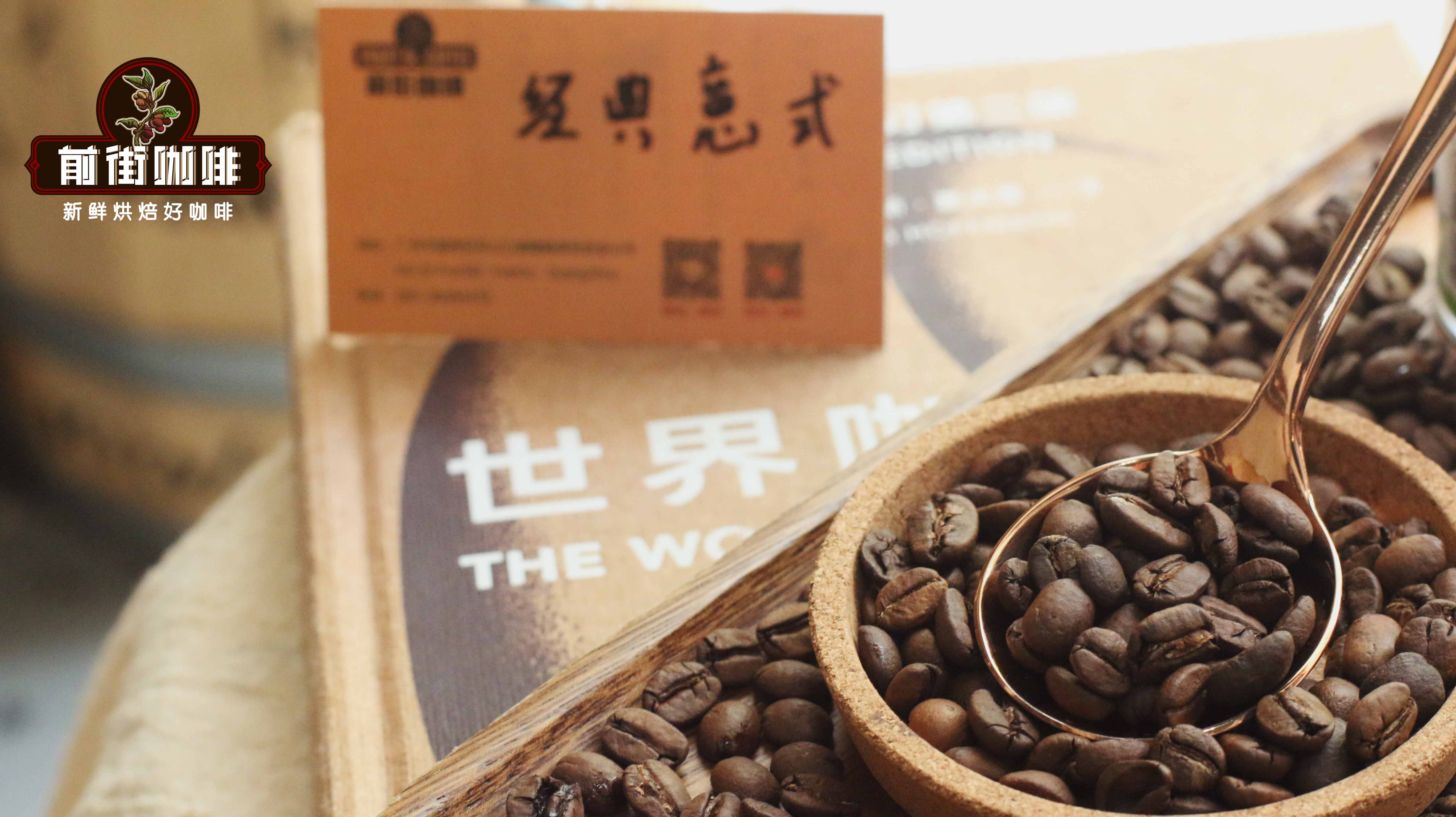
First, choosing the right coffee beans is one of the keys to influencing the performance of moka pot extraction. To achieve a rich crema and full-bodied taste, it’s recommended to use medium to dark roasted coffee beans. These beans retain more carbon dioxide during the roasting process, which helps form a beautiful crema—what we commonly call coffee oils—during extraction. If you prefer pre-packaged beans, you can look for blends from regions such as Brazil, Indonesia, and Vietnam, which often offer a balance of caramel sweetness and dark roast flavors.

In terms of grind size, the coffee grounds for a moka pot should be between 0.3 to 0.55 millimeters in fineness, slightly coarser overall than what is typically used for espresso machines. If the grind is too fine, it can create excessive resistance in the coffee bed, leading to overly high water temperature and pressure, resulting in over-extraction and even potential risks of the pot exploding. Conversely, if the grind is too coarse, water will pass through the coffee bed too quickly, causing under-extraction, resulting in a thin and one-dimensional coffee flavor. It’s recommended to rub the coffee grounds between your fingers; a texture similar to fine salt indicates the appropriate grind size.
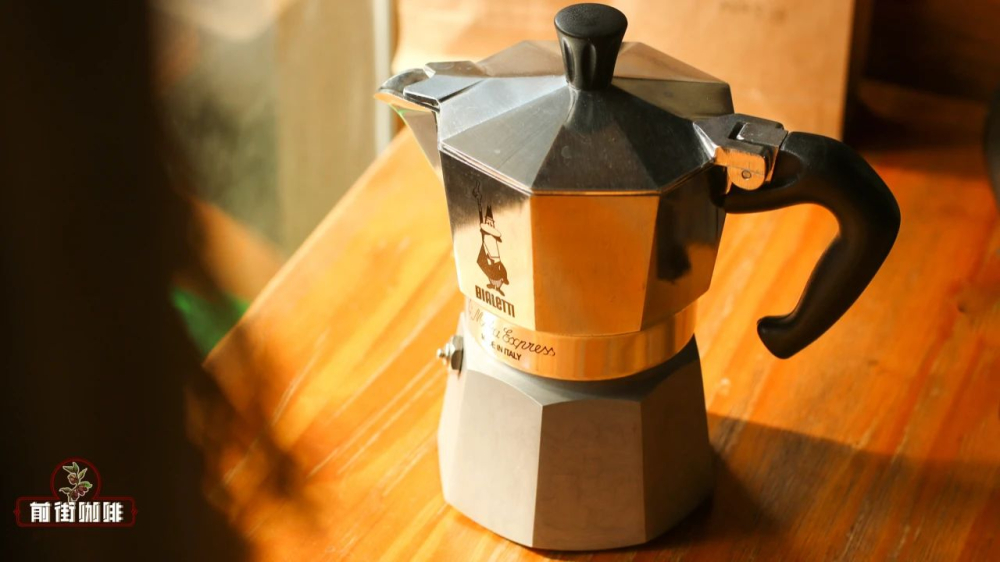
In terms of preparation, you’ll need a moka pot body, freshly ground coffee, water, and a heat source. A household electric stove is a common and safe option; if using an open flame, be sure to pay attention to stability and safety during heating. Additionally, it’s recommended to use a double-chamber, single-valve moka pot, which can more stably control extraction pressure and liquid volume.
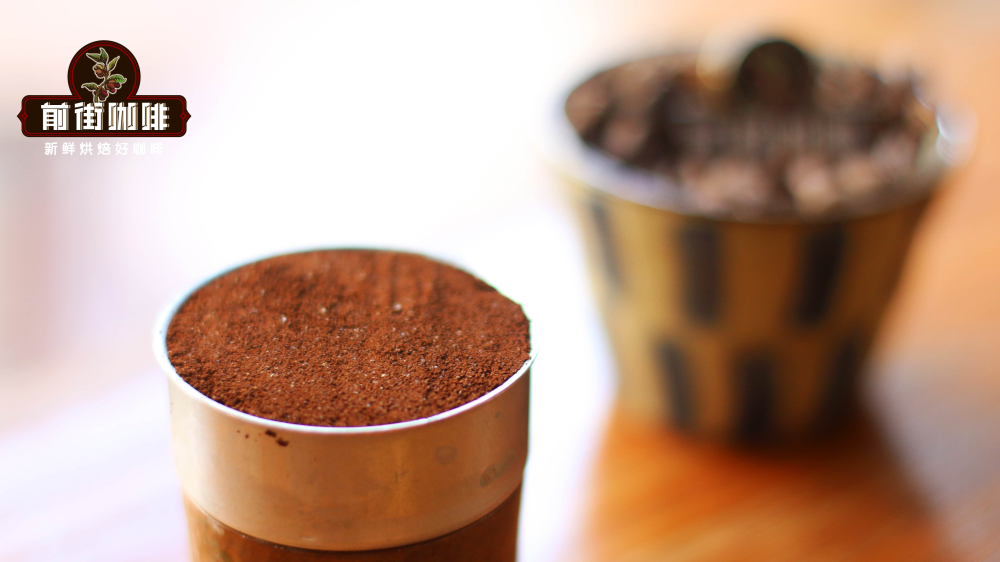
The actual steps for operation are as follows: First, pour preheated hot water into the lower chamber. The amount of water depends on the moka pot’s capacity—for example, a double-chamber, single-valve model can take about 130 milliliters. Next, fill the coffee chamber with about 18 grams of coffee grounds, then gently tap the chamber to help the grounds settle evenly, filling any gaps to reduce channeling. After filling, use your finger to level the surface without pressing down—especially avoid compacting finer grounds, as this can hinder water flow.
After assembling the upper and lower chambers, be sure to tighten them securely to prevent coffee leakage during heating. If the lower chamber contains hot water, it’s advised to use a damp cloth for insulation to avoid burns. Place the assembled moka pot on the heat source and begin heating. When you hear a distinct hissing sound, it means the water has boiled and steam pressure has built up—immediately lower the flame to prevent excessively high pressure, which could lead to uneven extraction or overly thin flavor.
When the coffee begins to flow out and reaches about half of the total expected yield, you can turn off the heat and let the residual heat complete the final extraction. This not only preserves the coffee’s aroma but also avoids over-extraction. Once the extraction stops, you can pour out the coffee and taste it. If you notice a strong burnt or bitter taste, it may indicate over-extraction; next time, try shortening the extraction time or reducing the water amount. If the taste is too sour and unpleasant, it may be due to a too-coarse grind or under-extraction—you can adjust the grind size or slightly increase the extracted liquid volume.
Espresso made with a moka pot is highly versatile. The simplest option is to dilute it with water to make an Americano, suitable for those who prefer a lighter taste. If you add about 60–65°C fresh milk, you can create a latte with a café-style flavor. You can also try adding ice and sweetened condensed milk to create an iced drink similar to Vietnamese coffee. Feel free to adjust according to personal taste and discover more coffee enjoyment.
The above content is compiled by CoffeeHunters, a coffee news website.


