







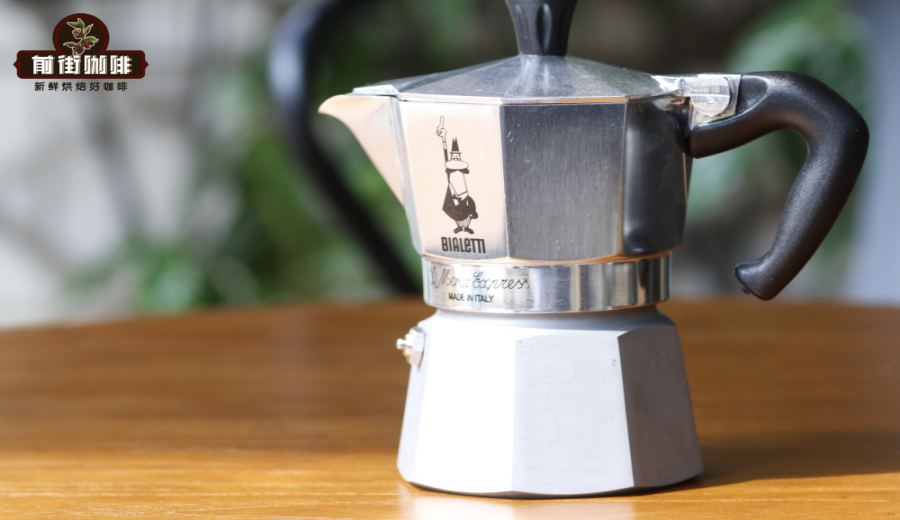
Introduction:The Moka pot is a classic tool many coffee enthusiasts use at home to replicate the flavor of espresso. But how much coffee should you put in the basket? How fine should the grind be? What heating details should you pay attention to? This article starts with the historical background of the Moka pot, explains its pressurized extraction principle, and details recommendations on coffee dosage, grind size, pouring method, and the full operation process—helping you use the right method to brew coffee rich in crema and aroma.
With its classic octagonal shape and easy operation, the Moka pot has become a go-to choice for many households aiming to brew strong coffee. However, many users often face a common question: how much coffee powder should be filled in the basket for the best result? And how should the grind size be adjusted to avoid extraction failure? This article not only traces the historical origins of the Bialetti Moka pot but also delves into its structure and pressurized extraction principle. Coupled with practical operational experience, it provides a complete guide—from dosage and grind to heating steps—allowing you to easily brew a cup of coffee as rich and aromatic as those from Italian cafés.
The History and Design Legend of the Bialetti Moka Pot
As early as the 19th century, people mostly drank coffee by directly boiling ground coffee with water. It wasn’t until the early 20th century, with the advancement of the Industrial Revolution, that Italians began creating coffee machines resembling steam locomotive boilers. These machines not only had eye-catching designs but also produced richer coffee. However, these professional devices were mostly used in cafés, and the average household still couldn’t enjoy the same quality of coffee.
It wasn’t until 1933 that Alfonso Bialetti invented the Moka pot. This octagonally shaped appliance completely changed the home coffee brewing experience. Notably, since its debut, the design and basic form of the Bialetti Moka pot have barely changed and it remains a staple in many kitchens to this day. Its iconic shape was even ranked alongside the Vespa scooter and Fiat 500 car as one of the most representative designs of 20th-century Italy.
The popularity of the Moka pot reached its peak after Alfonso’s son, Renato, took over. Through diverse marketing strategies, he increased production from ten thousand units per year to one thousand units per day, amassing global sales of over three hundred million units, bringing this appliance into the homes of countless coffee lovers around the world.
The Structure and Pressurized Extraction Principle of the Moka Pot
The Moka pot mainly consists of three parts: the lower chamber holds the water, the middle basket contains the coffee grounds, and the upper chamber collects the extracted coffee. When heated, the water in the lower chamber generates steam pressure, pushing the water up through a central tube, passing through the coffee grounds in the basket, and finally delivering the extracted coffee to the upper chamber.
This pressurized extraction process enables the Moka pot to brew coffee with a certain level of crema and bold flavor, similar to the extraction effect of an espresso machine. As a result, it is often used to create café-style espresso bases.
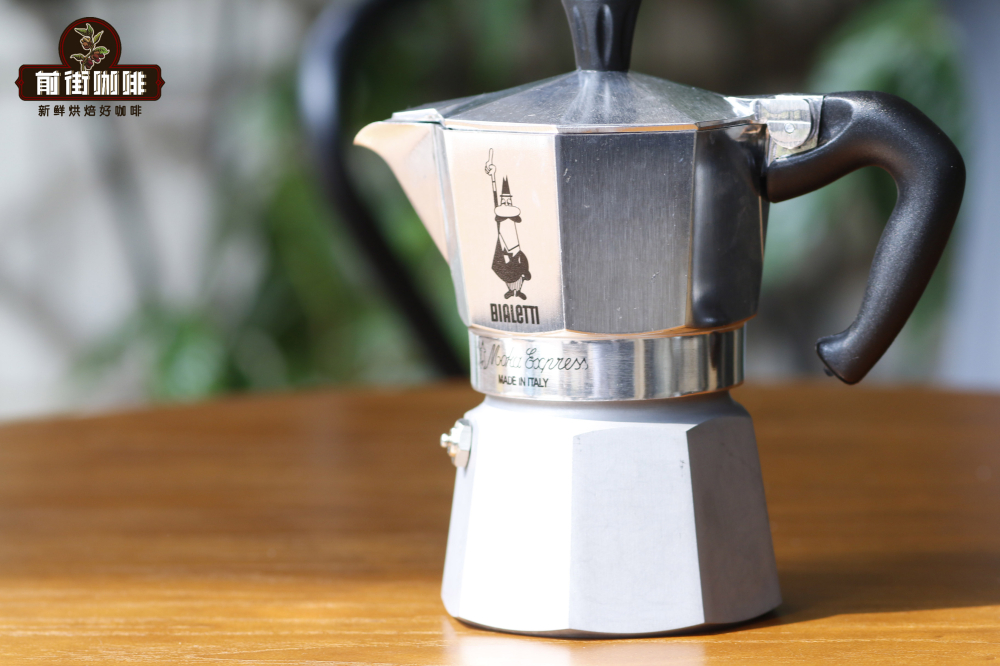
How much coffee should be put in a Moka pot? How to choose the grind size?
Regarding the amount of coffee to fill in the basket, it is generally recommended to fill it up to the edge, but without tamping. Over-tamping may cause excessive resistance, affecting the water flow speed, and even increasing the risk of overly high pressure. The usual amount of coffee powder is around18 to 20 grams, which can be slightly adjusted based on the basket size and personal preference for strength.
As for the grind size, the Moka pot is suitable for usingmedium to medium-dark roastedcoffee beans, and the grind should be betweenfine sugar and fine salt, roughly equivalent to the#3 to #3.5 settingson an EK-43 grinder. A grind that is too fine can lead to channel blockage, not only preventing the coffee from rising smoothly but also potentially causing dangerous pressure buildup. Too coarse a grind, on the other hand, will let the water pass through too quickly, resulting in under-extraction and a weak, flat-tasting coffee.
Moka Pot Usage Steps and Precautions
1. Preheating and Water Filling: Add hot water to the lower chamber, with the water level recommended to be about0.5 cmbelow the safety valve. Using hot water can shorten heating time and avoid over-extraction caused by overheating.
2. Adding Coffee Grounds: Pour the ground coffee into the basket, gently shake it left and right to level the coffee bed, butdo not tamp it down firmlyto avoid obstructing water flow.
3. Assembly and Heating: Place the basket into the lower chamber, then securely attach the upper chamber. Put it on a heat source (such as a ceramic stove) and start heating.
4. Observing Extraction: When you hear a distinct “wuu wuu” sound, it indicates that the pressure is gradually building up. At this point, reduce the flame and open the upper chamber lid to observe the coffee flowing out.
5. Turning Off Heat and Completion: Once about half of the coffee has flowed out, you can turn off the heat and use residual heat to push the remaining coffee into the upper chamber to avoid over-extraction.
When using a Moka pot, also take care to ensure safety—avoid using too fine a grind or overheating, which can lead to excessively high pressure and potential danger. Also, regularly clean the basket and safety valve to ensure smooth extraction and safe usage.
As long as you master the correct dosage, grind size, and operational details, you can also easily brew Moka pot coffee at home that rivals café quality, enjoying that rich and aromatic experience.


The above content is compiled by CoffeeHunters, a coffee news website.


