








Introduction:Yirgacheffe coffee is renowned for its distinctive bright citrus notes and floral-fruity aromas, making it a top choice for many beginners exploring single-origin beans. This article delves into the geographic characteristics of this famous Ethiopian producing region, the background of its coffee varieties, and the flavor differences brought by its two main processing methods—washed and natural. It also provides practical brewing tips to help you easily master the brewing secrets of this classic bean.
In the world of specialty coffee, Yirgacheffe is undoubtedly one of the most celebrated regions. Walk into any shop that specializes in single-origin coffee, and you’ll almost always find it on the menu. This small town located in Ethiopia’s Southern Nations, Nationalities, and Peoples' Region, within the Sidamo zone, sits at elevations between 1700 and 2100 meters, with the vast majority of coffee trees planted above 1800 meters. It’s this high altitude that makes Yirgacheffe one of the highest-altitude coffee-growing regions in the world and solidifies its status as a representative of specialty coffee.
What makes Yirgacheffe coffee so captivating is its highly recognizable flavor profile: bright citrus acidity, delicate floral notes, refreshing tea-like body, and a lingering finish reminiscent of green tea or honey-like sweetness. This unique character has won over many coffee enthusiasts at first sip. In 2010, the Ethiopian Commodity Exchange officially separated Yirgacheffe from the Sidamo region, establishing it as a standalone, iconic specialty coffee-producing area.

The Yirgacheffe region enjoys a mild climate, often shrouded in mist, with stable and humid temperatures, coupled with constant mountain breezes—all of which create an ideal environment for coffee cultivation. Thousands of coffee varieties thrive here, resulting in complex and diverse terroir conditions. The significant day-night temperature variation caused by the high altitude extends the growth and ripening cycle of the coffee cherries, allowing the final beans to exhibit richer layers and more refined flavors.
It’s worth noting that “Yirgacheffe” refers to the producing region, not a specific coffee variety. In fact, Ethiopia is home to the greatest genetic diversity of coffee in the world, and to this day, a large number of native varieties remain uncategorized or unnamed. Since most farmers grow a mix of diverse varieties, the harvested beans often come from trees of different types, resulting in inconsistent bean sizes—this is why Yirgacheffe beans are commonly seen with uneven appearances. In international trade, such beans of unspecified variety are typically referred to as “Ethiopian Heirloom.”
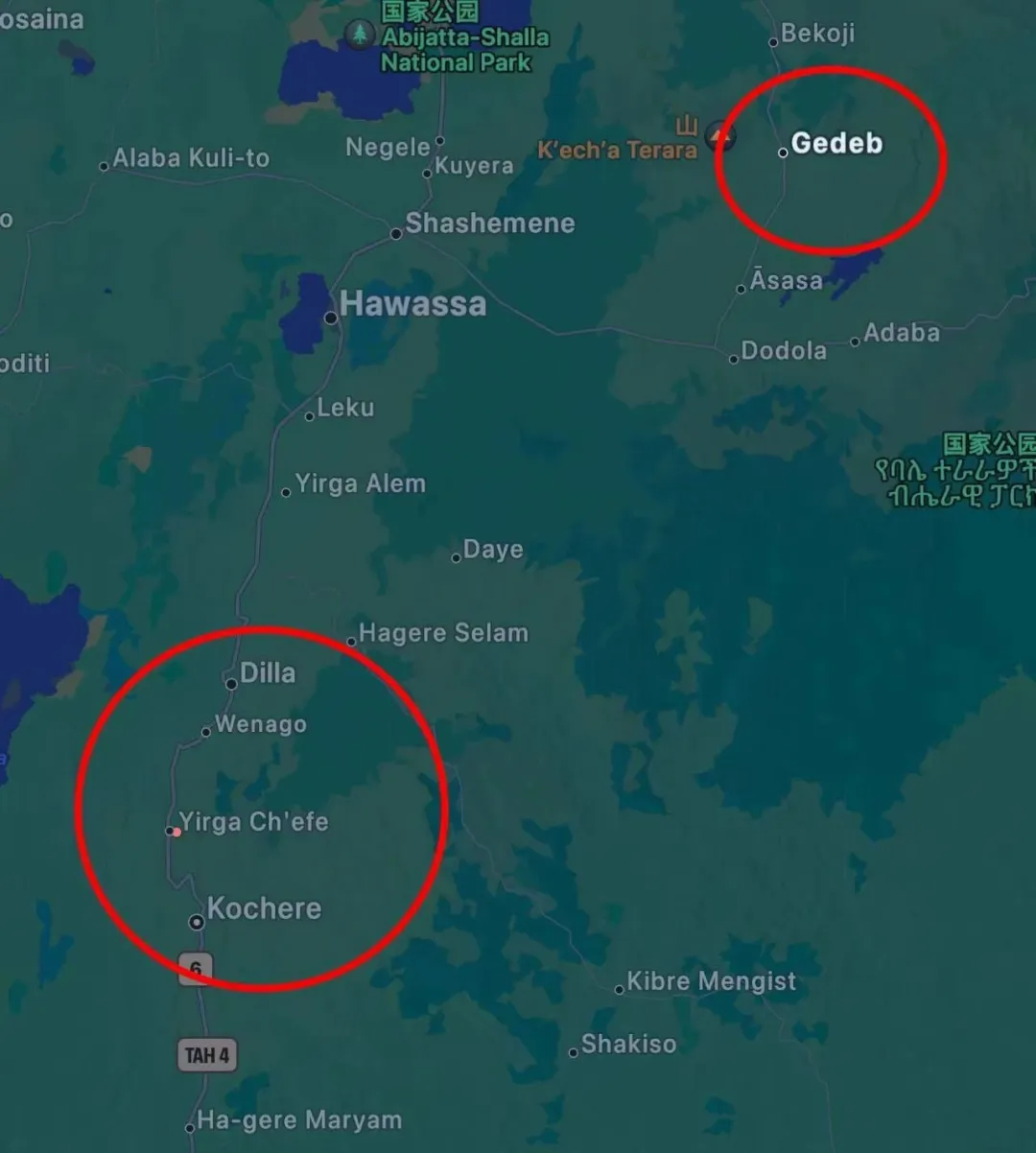
In terms of production, Yirgacheffe coffee farmers mostly send their harvested cherries to local cooperatives for centralized processing. These cooperatives handle subsequent steps such as pulp removal, fermentation, washing, and drying, before finally selling the coffee under the cooperative’s name. As a result, Yirgacheffe coffee we commonly see is often labeled as “Ethiopia Yirgacheffe [Cooperative Name] [Processing Method].” Some well-known local cooperatives include Guji Gedeo, Aricha, Wolisho, and Kochere.
For those new to Yirgacheffe, it’s recommended to start with basic, entry-level flavor profiles, gradually trying both washed and natural processed beans to experience their distinct differences. For example, you might begin with a washed process lot from the Guji Gedeo cooperative, then move on to challenge yourself with a natural processed Red Cherry lot that boasts rich fermented flavors and sweetness.
[Beginner Recommendation] Washed Yirgacheffe
Region: Ethiopia Yirgacheffe
Elevation: 2300 meters
Variety: Heirloom
Processing Method: Washed
Flavor: Lemon, citrus, tea-like, honey, berries
Features: Showcases the classic bright character of Yirgacheffe, suitable for everyday drinking with great value
[Advanced Choice] Guji Gedeo Cooperative Washed Beans
Region: Yirgacheffe Area
Elevation: 1900–2000 meters
Variety: Heirloom
Processing Method: Washed
Flavor: Jasmine, citrus, berries, tea-like
Features: The cooperative emphasizes harvesting ripe fruits, using a refined washed process to highlight clear fruit acidity and floral-tea aromas
[Advanced Challenge] Red Cherry Natural Beans
Region: Yirgacheffe Aricha Processing Plant
Elevation: 2300 meters
Variety: Ethiopian Heirloom
Processing Method: Natural
Flavor: Citrus, berries, fruity fermentation, honey, creamy body
Features: High sweetness and intense fruitiness, with noticeable fermented notes, suitable for those who enjoy rich and complex flavors
Washed and natural are the two most common processing methods for Yirgacheffe coffee, and their biggest difference lies in how the fruit pulp is handled. The washed method first removes the coffee cherry’s skin and pulp, then ferments the beans in water tanks to remove the mucilage layer, followed by washing and drying. This method results in a cleaner cup with clearer acidity and a more balanced overall profile, making it ideal for those who prefer a refreshing taste.
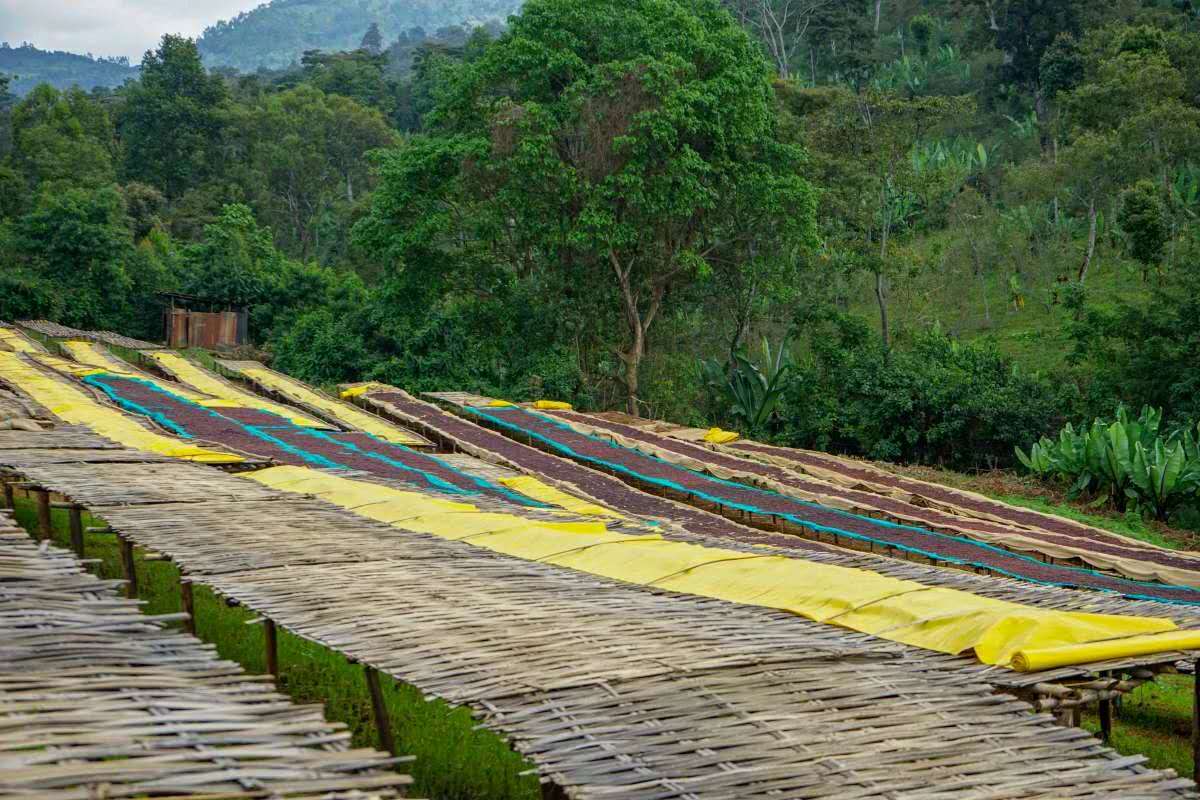
In contrast, the natural method involves drying the whole coffee cherry—pulp and all—directly under the sun. During the drying process, the sugars in the pulp gradually seep into the bean, triggering natural fermentation reactions that produce a richer sweetness and more complex fruit aromas, sometimes accompanied by unique lightly fermented notes. This method usually yields a coffee with greater body, making it suitable for those who prefer sweet, aromatic, and bold flavors.
When brewing Yirgacheffe, it’s recommended to use a relatively high water temperature, around 90–92°C, to fully extract its bright acidity and complex aromas. Additionally, since beans from this region are mostly light roasted and have denser bean structure due to the high altitude, it’s advisable to adjust the grind size to a medium-fine level, similar to granulated sugar (approximately 80% passing through a #20 sieve), helping to balance the extraction rate.
A 1:15 coffee-to-water ratio is recommended, along with a three-stage pouring method: start with a 30g bloom for 30 seconds; then pour in a small circular motion up to 125g, wait until the water level drops by about half, pour again up to 225g, and aim to finish the total brew time between 2 minutes and 2 minutes 10 seconds. This approach helps enhance clarity in flavor layers and overall balance.
The above content is compiled by CoffeeHunters, a coffee news website.


