







Introduction:As the premier coffee representative from the Gayo highlands of Sumatra, Indonesia, Golden Mandheling is renowned for its full body, low acidity, and distinctive herbal aroma. However, counterfeit products flood the market. This article explores the terroir, varietal evolution, and wet-hulled processing method, analyzes the certification standards of PWN Golden Mandheling, and introduces other popular beans from the same region such as Lintong Mandheling and Tiger Mandheling. Detailed brewing parameters and flavor profiles are provided to help you accurately identify authenticity and master the optimal way to enjoy it.
Mandheling coffee has long been celebrated for its full-bodied taste and low acidity, coupled with complex aromas of wood, herbs, and agarwood, making it a classic representative of Asian coffee. Among these, Golden Mandheling from the Gayo highlands of Sumatra represents the pinnacle of this flavor profile. However, precisely because of its stellar reputation, the market is rife with imitations, making it difficult for consumers to discern the real thing. This article will take you through a comprehensive analysis of Golden Mandheling — from its origin background, varietal origins, processing techniques, to certification standards — and will also introduce other beans from the same region such as Lintong Mandheling and Tiger Mandheling. Professional brewing recommendations and precise flavor descriptions are provided to help you grasp the essentials from selection to brewing.
Asian-origin coffees often develop full-bodied and mellow flavors due to high altitudes and humid climates, with relatively muted acidity and complex aromas of wood, herbs, spices, and earth. This contrasts sharply with the bright fruit acids found in beans from Central and South America or Africa. While these flavors may not appeal to everyone, for coffee enthusiasts seeking intense layers, the Mandheling series is an essential classic. Golden Mandheling, in particular, stands out with its unique aroma and taste, leaving a memorable impression after just one try.
The name “Mandheling” actually stems from a beautiful misunderstanding. During World War II, Japanese soldiers tasted a rich coffee in an Indonesian café and asked the shop owner for the name of the coffee. Mistaking the question for one about his own origin, the owner replied “Mandheling” (a transliteration of the Mandailing ethnic group). After the war, the soldier recalled this “Mandheling” coffee and specifically ordered 15 tons to be shipped to Japan, where it unexpectedly became very popular. The name Mandheling thus spread. In reality, Mandheling is neither a place of origin nor a coffee variety, but rather a serendipitous product of this historical coincidence.
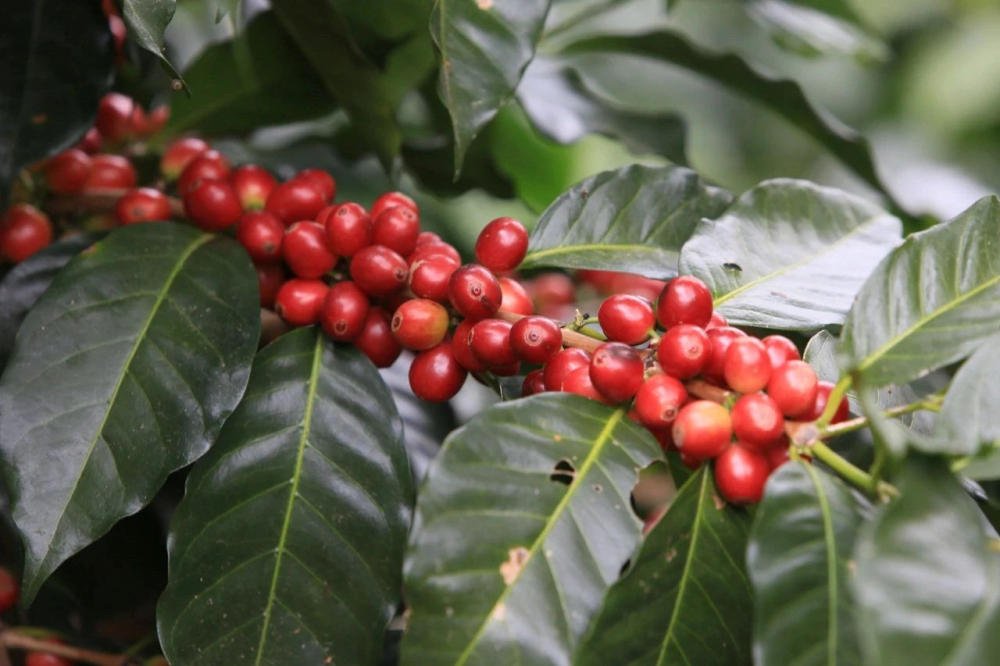
As a globally significant coffee-producing region, Indonesia’s largest island, Sumatra, features a typical tropical rainforest climate — hot, humid, and abundant in rainfall — which theoretically makes it an ideal environment for cultivating Arabica coffee. However, due to altitude limitations, only 25% of the coffee grown here is high-altitude premium Arabica, while the remaining 75% consists of Robusta suited to lower altitudes. The highest-altitude areas of Sumatra are concentrated in the north, which is also the main Mandheling-producing region, including the “Two Lakes, Two Mandhelings” — Lake Tawar (near the Gayo highlands) and Lake Toba (Lintong area), both known for producing high-quality Arabica coffee.
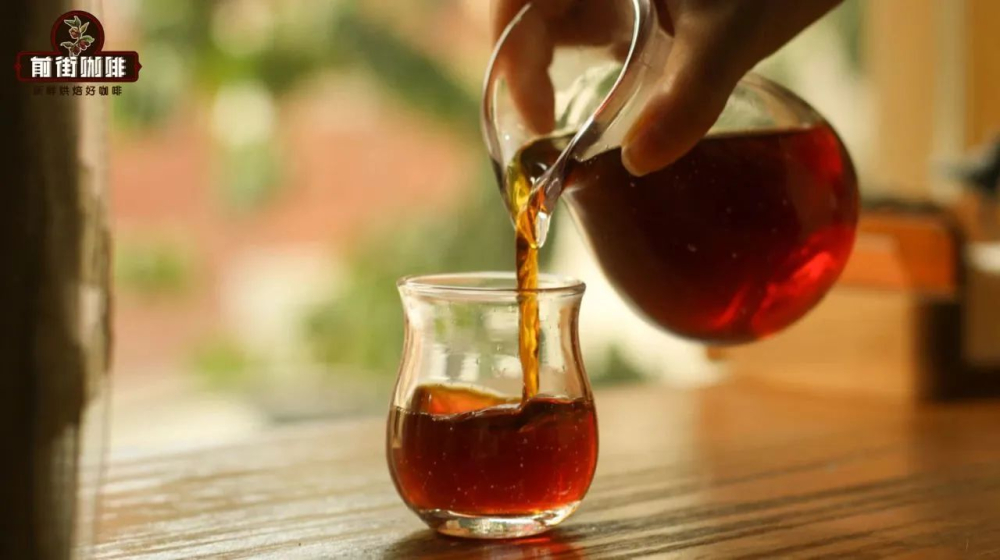
Mandheling coffee features a diverse range of varieties, with the commonly seen “Ateng” and “Tim Tim” being local colloquial names. Ateng is actually a hybrid of Arabica and Robusta (internationally known as Catimor), well-suited to Sumatra’s climate and soil, and is the primary variety planted for Golden Mandheling. Tim Tim is the Indonesian term for the Timor variety from the island of Timor, also belonging to the Arabica family. It is worth noting that early Dutch settlers introduced pure Arabica Typica to Sumatra, but after the widespread outbreak of coffee leaf rust in 1877, the local government gradually introduced disease-resistant varieties including Robusta, Timor, Catimor, Kent, and S795, laying the foundation for Indonesia’s current coffee varietals.
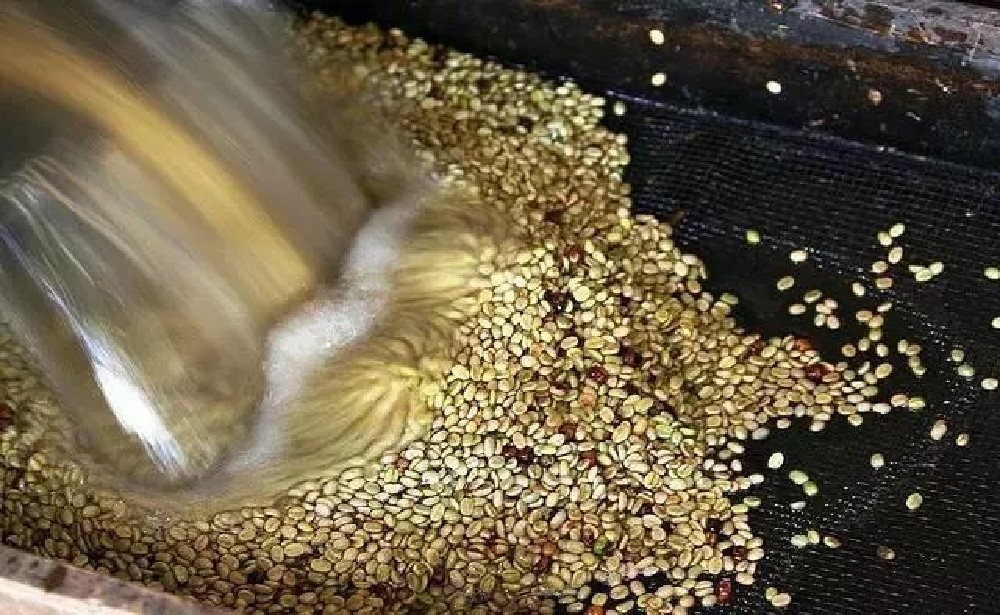
The unique “wet-hulling” processing technique of Sumatra is the core factor that shapes the distinctive flavors of Mandheling. Due to the frequent rainfall and limited sunlight in the tropical rainforest climate, traditional sun-drying methods are difficult to implement. Coupled with economic constraints leading to low availability of washed processing equipment, farmers developed this semi-washed, unique method. The specific process is as follows: on the day of harvest, the coffee cherries are depulped to remove the skin and pulp, then fermented for three hours before being initially dried to a moisture content of 30%-50% (the beans remain moist and soft). They are then sent to a processing station to have the mucilage and parchment removed, followed by continued sun drying to reach a final moisture content of 12%-13%. This method significantly shortens the drying time (approximately 2–4 days) and, by removing the outer protective layer early, reduces fermentation levels and acidity, while enhancing body and deepening woody, herbal, and earthy notes, creating the classic “regional character” of Sumatran coffee.
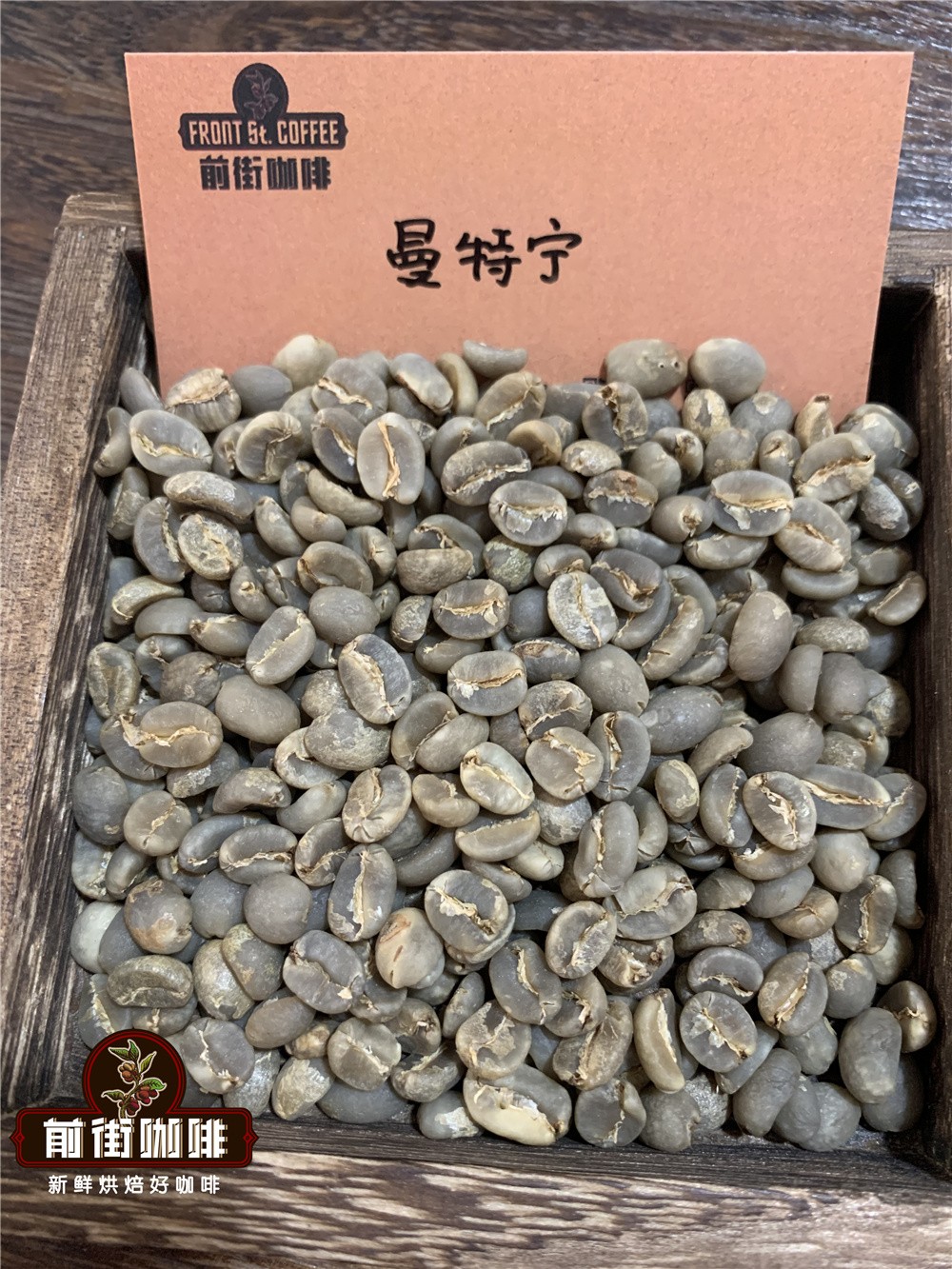
Among the many Mandheling offerings, “Golden Mandheling” is often mistakenly thought to indicate a grade due to the word “Golden” in its name. In fact, it is a trademark registered by Indonesia’s PWN Coffee Company (N.V. Pawan Medan, abbreviated as PWN). Established in 1957, PWN was the first company in Indonesia to export North Sumatran coffee and played a key role in promoting the name “Mandheling” to the Japanese market. Since 1977, PWN has focused on exporting Grade 1 Arabica Mandheling and Grade 2 Robusta AP-I from Sumatra, primarily to Japan, Chinese Taipei, and the United States — with Japan and Taiwan accounting for over 95% of sales. “PWN” has become synonymous with quality assurance in those markets. Authentic Golden Mandheling must be produced by PWN and come with an official certification (verifying the origin of the green beans). If the seller cannot provide relevant proof, buyers should be cautious.
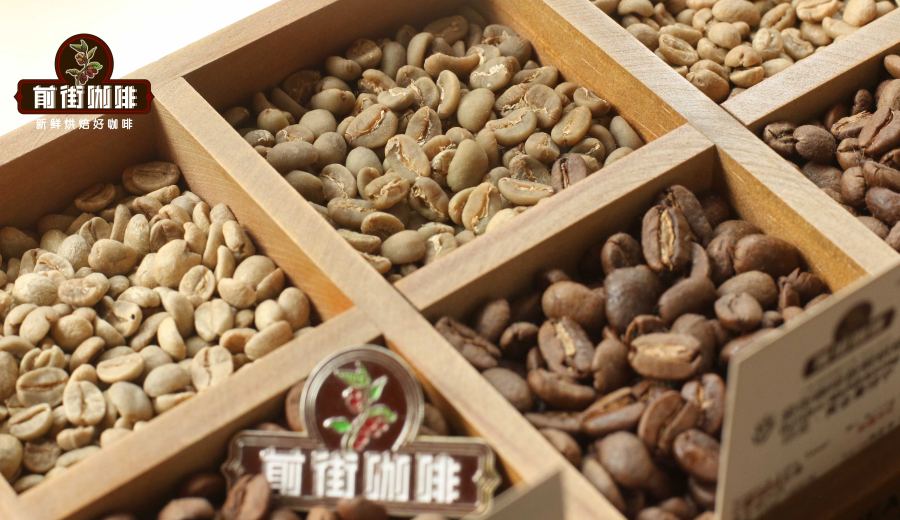
The PWN Golden Mandheling offered is carefully selected with green bean size of 18 mesh or above (approximately 8mm), and each 300g sample contains fewer than 3 defective beans, meeting the highest G1 grade. It undergoes three rounds of manual sorting by PWN to thoroughly eliminate defects, ensuring a clean taste, noticeable sweetness, and strong aroma. In comparison, “Tiger Mandheling” is defined as having a green bean size of 17 mesh or above, with a defect rate below 4%. Its varietals mainly include Catuaí and Typica — the former offers citrus and lemon acidity, while the latter delivers a long-lasting sweet aftertaste. Overall, its flavor profile is more balanced and cleaner, with higher clarity. It is recommended to use medium-to-dark roasting to enhance body and balance. Tiger Mandheling mainly comes from northern Sumatra’s Lake Tawar (Gayo highlands) and Lake Toba (Lintong area), where high altitudes and fertile volcanic soils, combined with traditional shaded organic cultivation, provide the coffee with abundant nutrients and unique flavors.
When brewing deeply roasted Sumatran coffees like Golden Mandheling, it is recommended to use a Kono filter (or similar stepless filter), control the water temperature to around 88°C, and maintain a brew ratio of 1:15 (for 15g of coffee, use 225g of water), with a grind size of 11 on the EK43 grinder (75% extraction through a 20-mesh sieve by Chinese standard). The specific steps are as follows: start by pouring double the coffee’s weight in water (30g) for a 30-second bloom, then continue pouring in small circles until the total water reaches 125g for the first pour, followed by pouring up to 225g before stopping. Once dripping from the filter has mostly finished, remove the filter. Total brew time is about 2 minutes. After brewing, gently swirl the coffee before pouring into the cup to fully experience its layered flavors.
【Lintong Mandheling】: Presents a rich nutty profile with a hint of melon aroma in the finish. As it cools, herbal notes emerge, offering a full-bodied and layered taste.
【PWN Golden Mandheling】: Features a strong nutty base, with melon, herbal, and spicy aromas gradually unfolding as it cools. The aftertaste is as rich as dark chocolate, with pronounced caramel sweetness. The taste is clean and soft.
【Tiger Mandheling】: Delivers a balanced and clean profile, with prominent notes of cream, dark chocolate, and nuts. The aftertaste is refreshing and long-lasting.
When brewing coffee, it is recommended to choose freshly roasted beans (within 5 days post-roast) to fully experience their flavor potential. The optimal resting period for coffee beans is 4–7 days, during which the flavors peak. If you require ground coffee, note that ground coffee oxidizes quickly and is best brewed immediately. Whole beans that are not ground can develop more rounded aromas through the resting period. We offer over 50 single-origin coffee beans, covering the distinctive flavors of various regions. Whether you’re a beginner or an advanced enthusiast, you’ll find something to your liking.
The above content is compiled by CoffeeHunters, a coffee news website.


