







Introduction:Since winning the Best of Panama (BOP) competition in 2004, the Geisha coffee variety has become a legendary cultivar in the specialty coffee world. This article delves into the origins and evolution of Geisha, clarifies common confusions among varieties such as the differences between Geisha, Geisha (艺伎), and Kaguya (花魁), and details the grading systems of Hacienda La Esmeralda and Gesha Village. It also provides practical pour over brewing recommendations and compares the unique flavor profiles of producing regions such as Panama and Ethiopia, helping coffee enthusiasts gain a more comprehensive understanding of this premium bean variety.
Geisha (Geisha) is hailed as one of the most legendary varieties in 21st-century specialty coffee. With its distinctive aroma and richly layered flavors, it has claimed top honors in numerous international coffee competitions and repeatedly achieved record-breaking green bean auction prices. How did this ancient variety from Ethiopia rise to prominence in Panama and become the dream coffee for enthusiasts worldwide? This article will comprehensively trace the development trajectory of Geisha and provide an in-depth analysis of its various grading systems, regional characteristics, and optimal brewing methods.
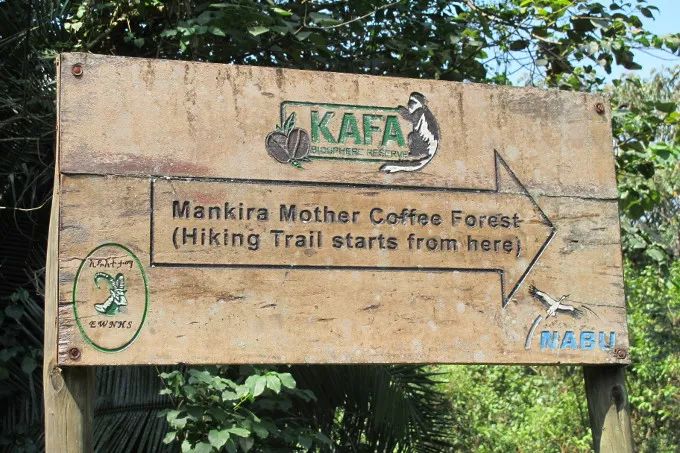
The path to fame for Geisha has been anything but smooth. As early as the 1930s, the variety was first discovered in the Gesha forest in southwestern Ethiopia (located in the Bench Maji zone of the Kaffa region), but at the time it was overlooked due to its low yield and mediocre flavor performance. Early official records even noted that the variety was “slender in appearance, not flavorful, but highly resistant to leaf rust, making it suitable as breeding material.” It wasn’t until 1931 that botanists collected seeds near the village of Gesha, and in 1932 brought them to Kenya, marking the beginning of Geisha’s long migratory journey. Over the following decades, it was introduced to Uganda, Tanzania, Costa Rica, and finally arrived in Panama in 1960.
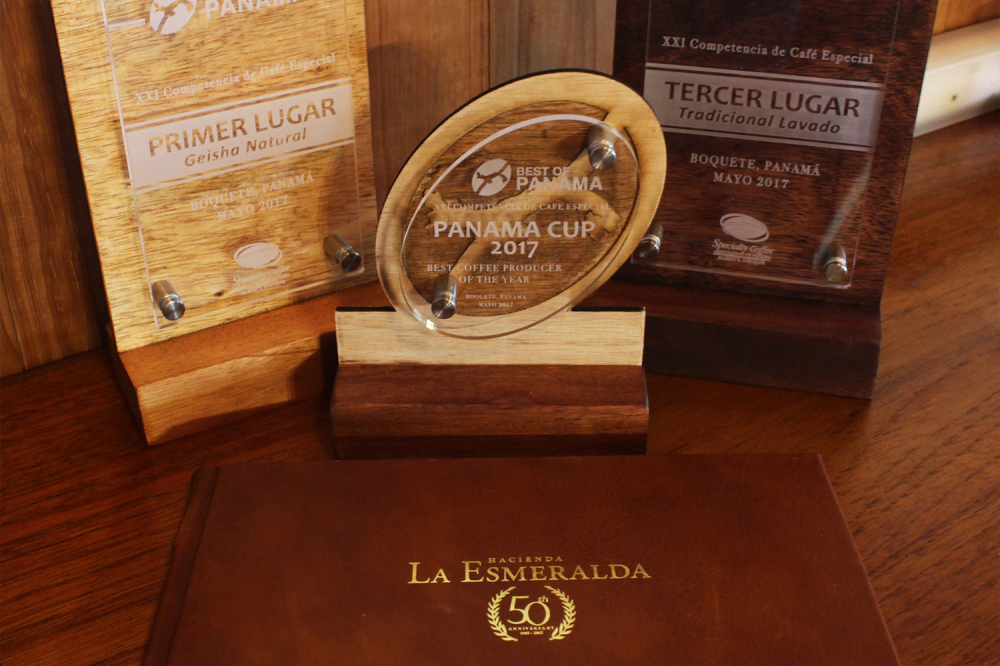
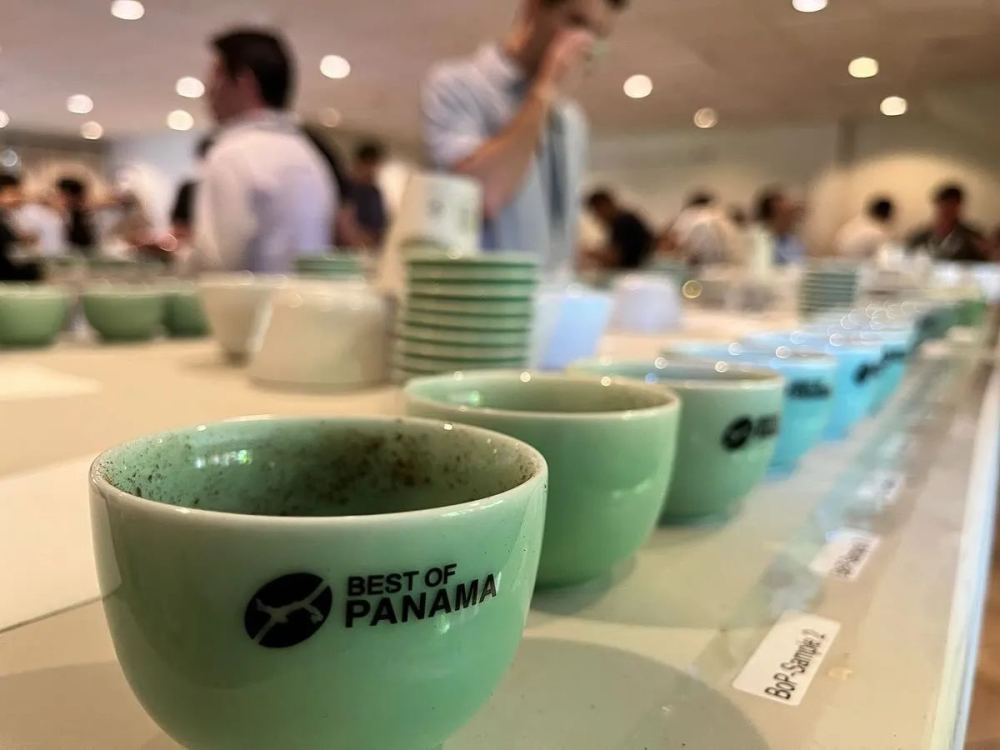
The real turning point came in 2004, when Hacienda La Esmeralda in Panama singled out Geisha from among many other varieties to compete—and won the Best of Panama (BOP) competition that year. Since then, Geisha has captivated global judges and consumers with its delicate floral notes, tropical fruit character, and tea-like mouthfeel, achieving outstanding results in subsequent international competitions such as SCAA and Rainforest Alliance, with green bean auction prices repeatedly breaking records.
In the market, it’s common for people to confuse Geisha with 艺伎 (Geisha) and 花魁 (Kaguya), but in reality, the three are distinctly different. Due to the Japanese pronunciation of Geisha being similar to “艺伎” (geisha), the coffee variety is often mistakenly referred to as “艺伎 coffee.” As for 花魁 (Kaguya), it originated from the 2017 Ethiopian TOH Natural category winner, the “Hambela” lot, which defeated several Geisha coffees in international competitions that year. The green bean trader specially promoted it under the name “花魁,” although it has no direct connection to Geisha.
Geisha coffee trees are robust in growth, with slender leaves and a certain resistance to leaf rust, but they are extremely particular about their environment, requiring cultivation at high altitudes, in regions with cloud cover or fertile soil—hence their rarity. The green beans are slender in shape, while roasted beans exhibit intense tropical fruit, citrus, and floral notes, with some batches also showcasing complex aftertastes of caramel, almonds, and honey. The Boquete region of Panama, especially Hacienda La Esmeralda, is regarded as the exemplary origin for Geisha flavors.
In Panama, Hacienda La Esmeralda grades its Geisha based on altitude and cupping performance into three main categories: Red Label (Esmeralda Special), Green Label (Private Collection), and Blue Label (originally the 1500m batch, renamed Volcanic Stone after 2021). The Red Label comes from high-altitude lots between 1600–1800 meters, with each batch required to score over 90 points in cupping, and each lot has an independent number, representing the most premium Geisha flavor. The Green Label is a blend of multiple high-altitude lots, retaining the classic characteristics of Geisha but at a more affordable price. Starting in 2021, the original Blue Label was sold under the name “Volcanic Stone,” consisting of a blend from three farms at around 1500 meters, still maintaining the basic flavor profile of Geisha.
On the other hand, Gesha Village in Ethiopia represents a “rebirth of the variety’s homeland.” Established by Adam Overton and Rachel Samuel near the Gesha forest, they selected varieties genetically close to Panamanian Geisha (such as Geisha 1931 and Gori Geisha), introduced modern estate management, and launched five tiers: Gold Label (Rarities), Red Label (Growers Reserve), Green Label (Single-Terroir), auction lots, and Chaka. The Gold Label is the highest non-auction quality, accounting for only 10% of total production; the Red Label scores 88 points or above in cupping, the Green Label emphasizes traceability of single lots and processing methods, and the Chaka tier is an entry-level option with a lower flavor threshold.
It’s worth noting that, although both are called Geisha, the green beans and flavors of Hacienda La Esmeralda in Panama and Gesha Village in Ethiopia still show significant differences. Esmeralda’s Geisha beans are slender and plump, with flavors dominated by flowers, tea, citrus, and almonds; Gesha Village often exhibits more stone fruit notes such as yellow peach, with pronounced sweetness, and some batches even have toffee-like flavors. In addition, the positioning of the Red Label differs: Esmeralda’s is the highest grade, while Gesha Village’s is considered an advanced specialty level.
Beyond Panama and Ethiopia, other regions such as Costa Rica, Jamaica, and Yunnan, China, also grow Geisha, but their flavor profiles generally don’t match those of the aforementioned two regions. For example, the washed Geisha from Costa Rica’s Finca Las Brujas showcases flavors similar to Panama, with jasmine floral notes and lemon acidity; Jamaica’s Blue Mountain’s Clifton Estate Geisha presents an elegant balance of citrus, pomelo, and honey. As for Yunnan Geisha, due to limitations in altitude, variety acclimatization, and post-harvest processing techniques, it has so far struggled to express the high-end flavor potential that Geisha is known for.
For coffee enthusiasts, mastering the correct brewing parameters is essential to fully showcase the delicate layers of Geisha. Taking the Red Label from Hacienda La Esmeralda as an example, it is recommended to use a Hario V60 dripper, 15 grams of coffee, a water temperature of about 90°C, a brew ratio of 1:15, and a grind size roughly equivalent to medium-fine (about 78% passing through a #20 Chinese sieve). During brewing, start with a 30-second bloom using 30 grams of water, then pour up to 120 grams in the first pour before stopping, using a slow circular motion; continue pouring to 225 grams in the second pour, slightly increasing the speed to avoid over-extraction. Under these parameters, the jasmine floral notes, citrus, berry, and honey aftertaste of the Geisha will be clearer, with a long-lasting and well-layered finish.
The above content is compiled by CoffeeHunters, a coffee news website.


