







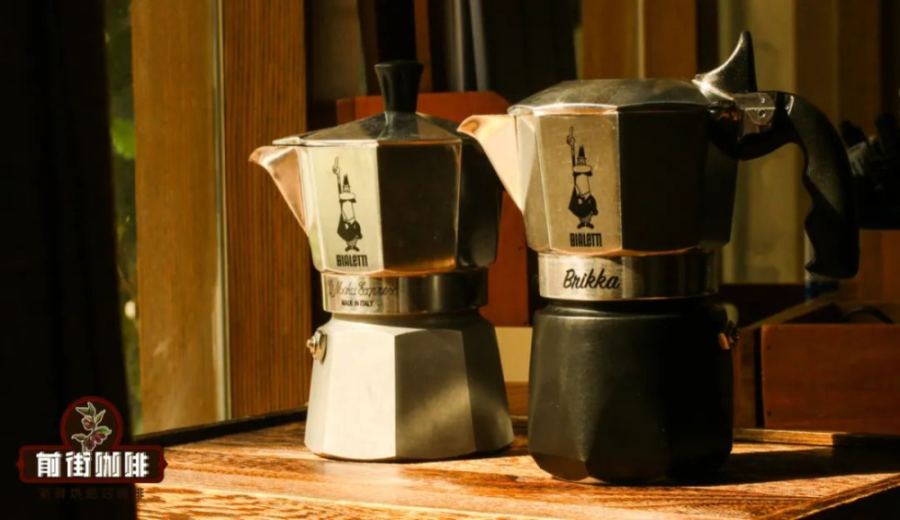
Introduction:Planning to get a moka pot so you can enjoy freshly brewed coffee outdoors? But when it comes to choosing between single-valve and double-valve models, or figuring out the right size—how many cups it should make—many people often feel confused. This article delves into the working principle of the moka pot, explains the structural, pressure, extraction, and crema differences between single-valve and double-valve designs, and offers practical buying advice to help you choose the most suitable option based on your drinking habits and budget.
Autumn and winter are great seasons for camping, and many coffee enthusiasts plan to brew a rich cup of coffee outdoors, making the moka pot a popular choice. However, when you start looking for the right model on the market or e-commerce platforms, you’re often confused by the terms “single-valve” and “double-valve.” You’re not sure what the difference is, don’t know which size to pick, and may even wonder if double-valve pots are much more expensive. This article will start with the basic principles, take you through a comprehensive understanding of the moka pot’s structure, and provide a detailed comparison of the design, extraction performance, and price differences between single-valve and double-valve models, helping you make a more informed purchase.
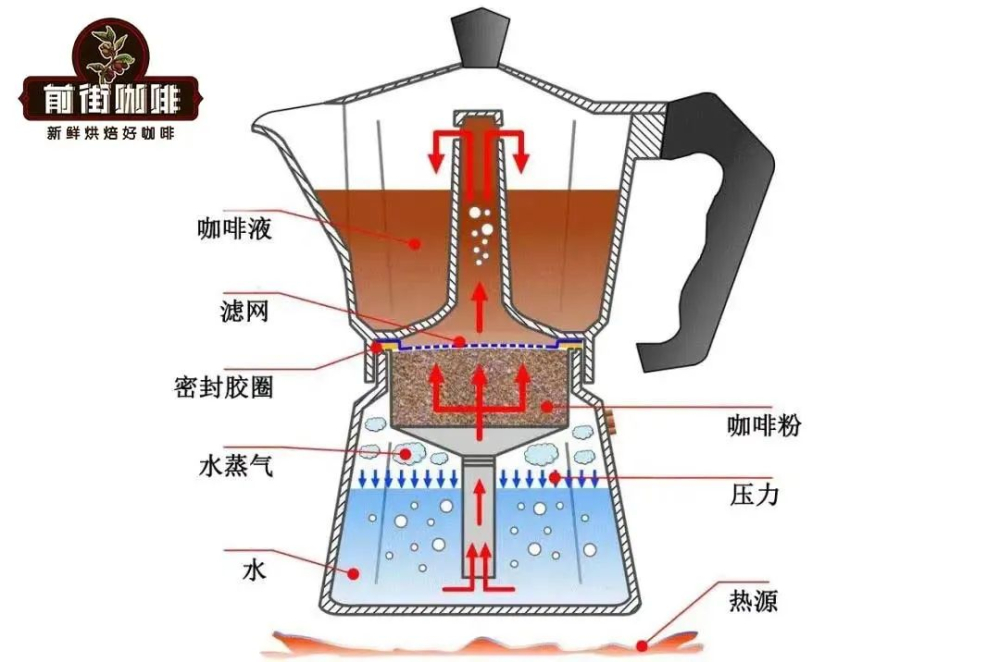
To understand the difference between single-valve and double-valve moka pots, you first need to know how a moka pot works. A moka pot mainly consists of three parts: the lower chamber that holds water, the middle filter basket that holds the coffee grounds, and the upper chamber with a filter plate and spout. When the lower chamber is heated, the water turns into steam, the steam expands and increases the pressure, pushing the water up through the central tube, passing through the coffee grounds in the filter basket, and finally collecting as coffee in the upper chamber, from where it flows out. This is the standard operation process of a single-valve moka pot.
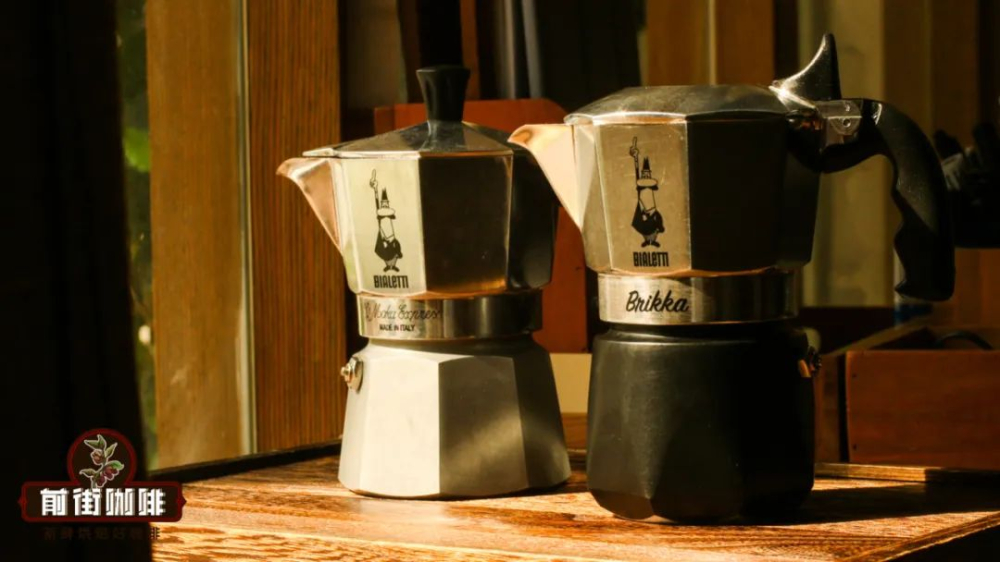
So, what is a double-valve moka pot? Essentially, it’s a single-valve moka pot with an additional component called a “pressure valve” added at the spout. The purpose of this pressure valve is to further increase the pressure during extraction. Structurally, the channel of the pressure valve is deliberately made narrower, which makes it harder for the coffee to flow out smoothly. As the liquid accumulates to a certain level, the internal pressure rises significantly.
In the world of coffee extraction, pressure is an extremely important parameter. Generally speaking, the higher the pressure, the better the extraction efficiency, and the more effectively the flavor compounds in the coffee can be extracted. Because of this additional pressure valve, the overall extraction pressure of a double-valve moka pot is higher than that of a single-valve one, resulting in coffee that has both higher concentration and extraction yield, closer to traditional espresso. This also means that if you often use a moka pot to make milk-based coffee drinks like lattes or cappuccinos, the double-valve can provide a stronger coffee base, preventing the coffee flavor from being diluted by a large amount of milk.
In addition, since the double-valve increases the pressure, even if you use slightly coarser coffee grounds, you can still achieve good extraction results under high pressure. For those who prefer hand grinding their coffee and don’t want to grind it as fine as flour, this is a major advantage. In contrast, if the pressure is insufficient in a single-valve moka pot, you often need much finer grounds to achieve ideal extraction, which is less friendly for hand grinders.
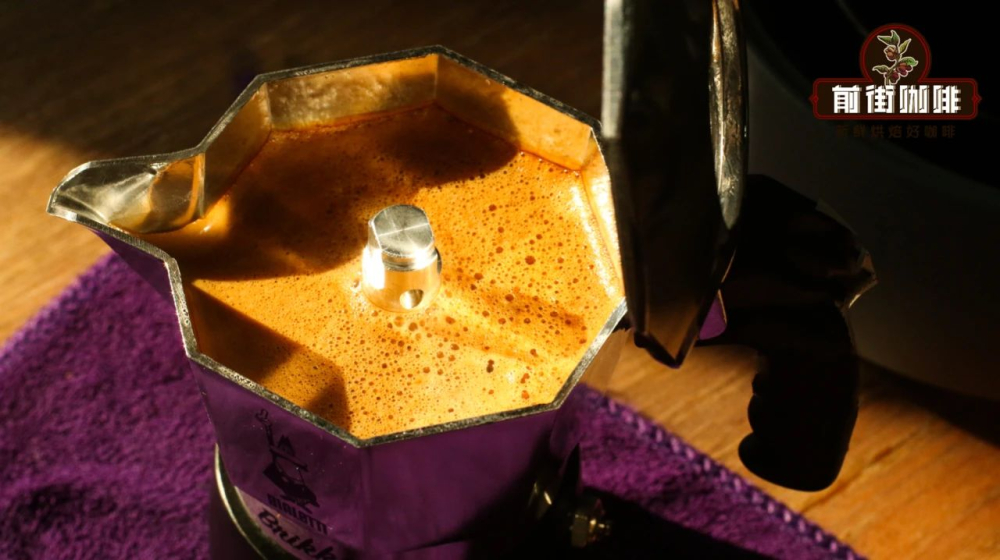
It’s worth mentioning that because of the increased pressure, the double-valve moka pot is more likely to produce coffee crema (foam) during extraction, which is also one of the highlights promoted by many sellers. However, it’s important to clarify that the foam produced by a double-valve is completely different from the fine crema (crema) extracted by an espresso machine. It is actually a rougher foam formed by the compression of coffee under high pressure, lacking the smooth mouthfeel and fine texture of true crema, and is not suitable for latte art. This layer of foam usually dissipates quickly and offers limited improvement in the coffee’s appearance or taste, only providing a slight difference in texture.
Overall, if you’re a milk coffee lover and often make lattes, cappuccinos, or similar drinks at home or outdoors, then the double-valve moka pot is a more comprehensive choice—it provides a richer coffee base and better pressure performance. But if you mainly drink black coffee or have a limited budget, the single-valve moka pot can already meet your basic needs, and it is usually at least 100 yuan cheaper, offering relatively better value for money.
Finally, a reminder: when choosing a moka pot, in addition to considering the differences between single-valve and double-valve models, don’t forget to select the right capacity based on the number of users. Common sizes include one-, two-, and three-cup versions. It’s recommended to decide according to your actual usage scenario to avoid issues from choosing a size that’s too large or too small, which could affect your overall experience. With these key points in mind, you can confidently choose a moka pot that suits you and enjoy the pleasure of brewing fresh coffee easily, whether at home or outdoors.
The above content is compiled by CoffeeHunters, a coffee news website.


