







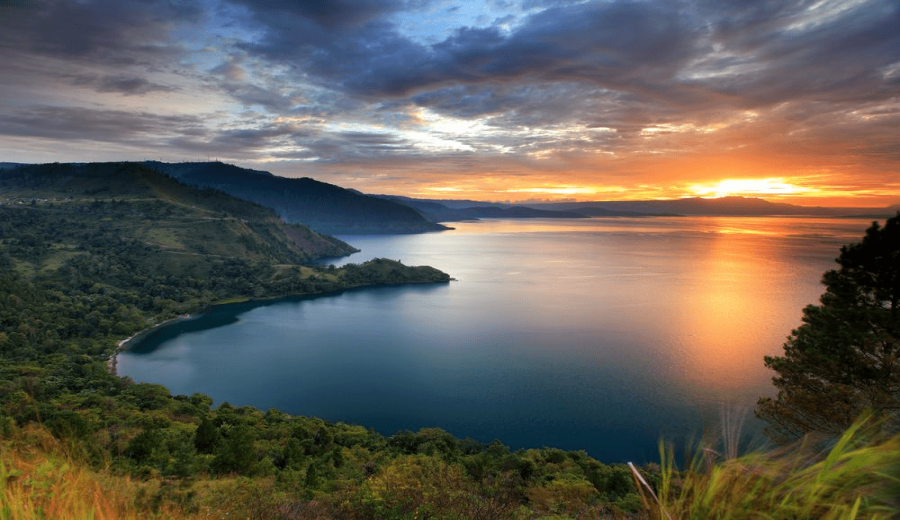
Introduction:Indonesian coffee is renowned worldwide for its rich, bold flavors, low acidity, and lingering notes of caramel and dark chocolate. From Sumatra’s Mandheling to its unique wet-hulled processing method, and even the controversial civet coffee, this Southeast Asian archipelago produces a diverse and fascinating array of coffee profiles. This article will delve into Indonesia’s major coffee-growing regions, variety characteristics, processing techniques, and pour-over recommendations to help you fully grasp the essence and brewing secrets of Indonesian coffee.
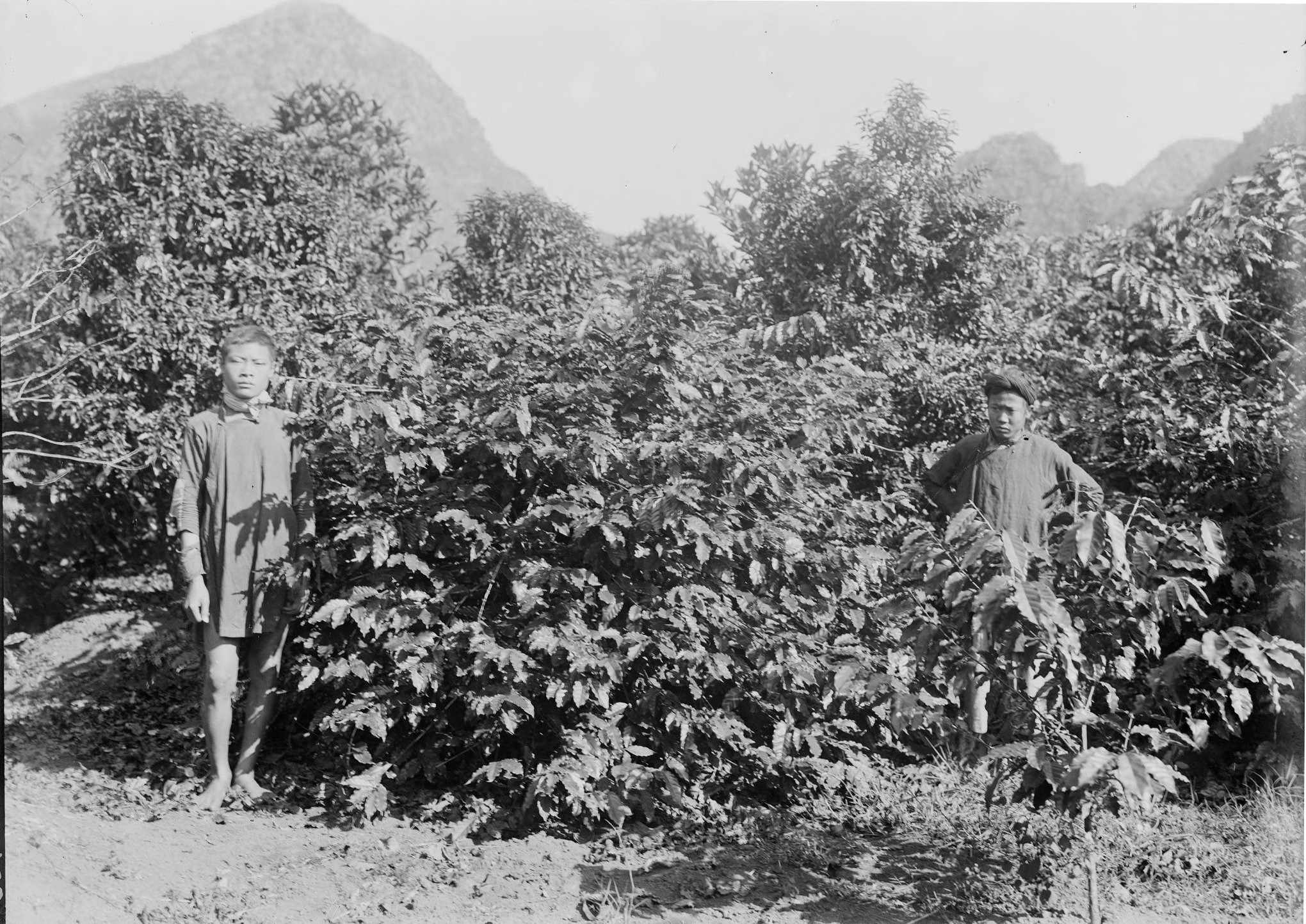
As one of the world’s major coffee-producing countries, Indonesia is celebrated for its full-bodied, low-acid coffee with sweet notes and lingering flavors of caramel and dark chocolate. Since the Dutch introduced coffee cultivation in 1696, Indonesian coffee has endured challenges such as coffee leaf rust outbreaks, the rise of Robusta, and now features three distinct growing regions—Sumatra, Java, and Sulawesi—each with its own unique profile. Its development journey has been both rich and complex.
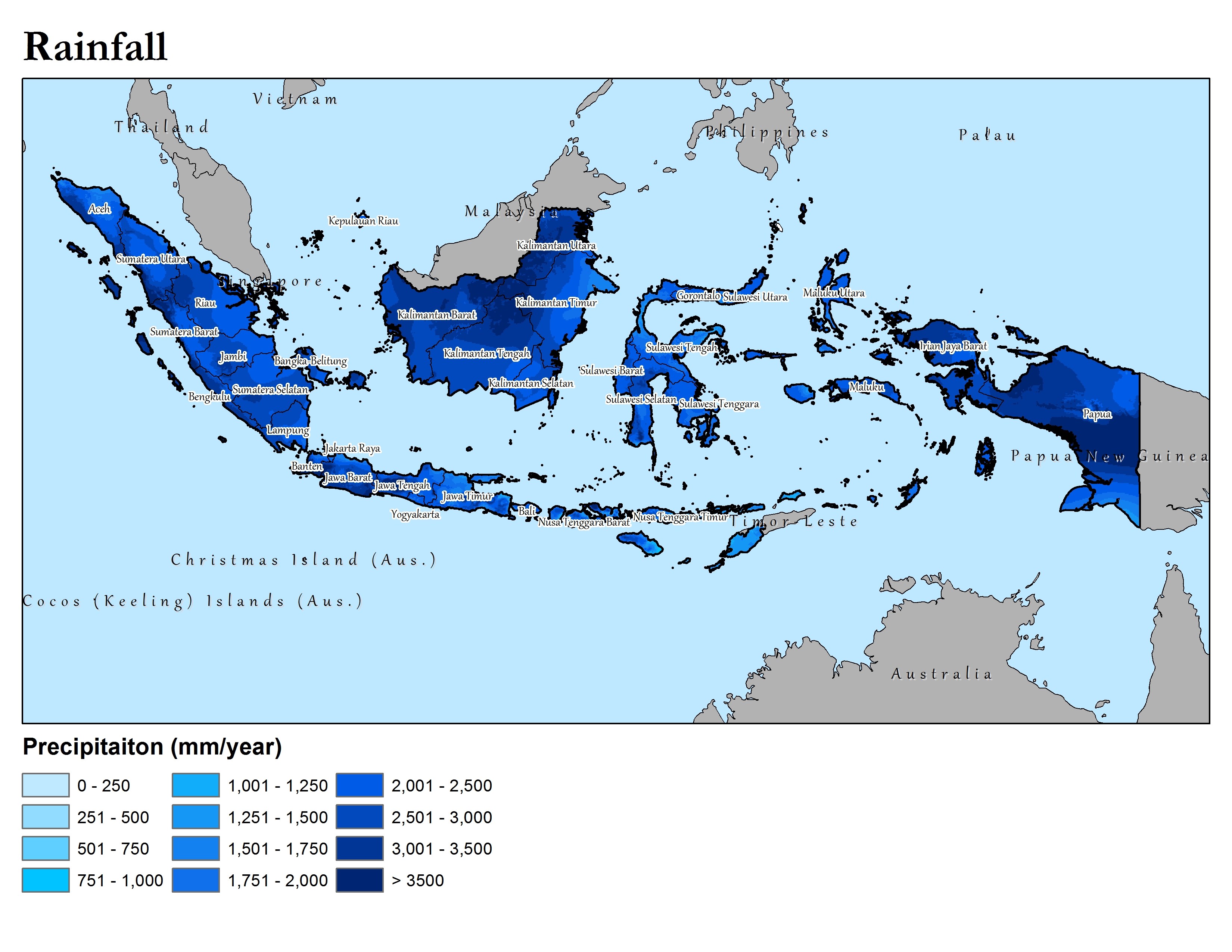
The unique flavors of Indonesian coffee are closely tied to its geographical environment and processing methods. The country has a tropical rainforest climate with high temperatures and abundant rainfall year-round, averaging between 25–27°C and annual rainfall of 1600–2200 mm. Additionally, many areas lie within volcanic zones, providing fertile, mineral-rich soil ideal for coffee growth. Coffee is typically grown at altitudes between 900–2100 meters, with the main producing areas concentrated around 1200 meters, resulting in bold, layered flavor profiles.
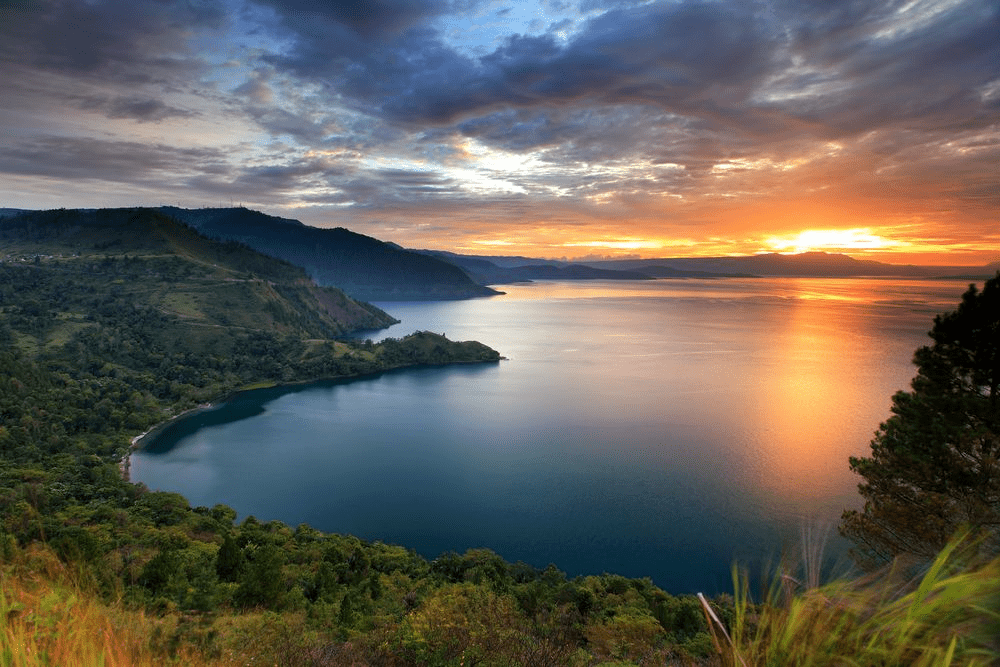
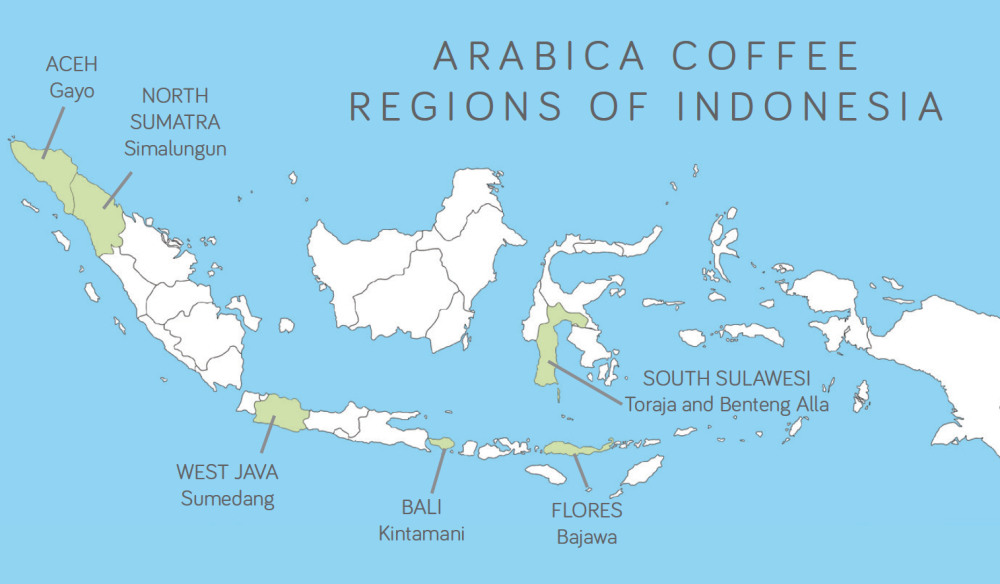
Indonesia’s coffee-growing regions can be divided into three main areas: Sumatra, Java, and Sulawesi. Among them, Sumatra is famous for its Mandheling coffee, which often features earthy, spicy, and woody notes, especially when processed using the wet-hulled method, enhancing its intensity and richness. Java coffee is known for its low acidity, delicate aromatics, and balanced taste, often with fruity notes and a clean, sweet finish. Sulawesi coffee is relatively niche but also offers distinctive aromatic qualities. These three regions each have their own characteristics and are currently the primary sources of Indonesia’s specialty coffee.
The main coffee varieties in Indonesia include Arabica, Robusta, and Liberica. Arabica accounts for about 6%–10% of total production, primarily grown in northern Sumatra and the highlands of Java, while Robusta dominates due to its disease resistance, making up around 90% of production and is mostly used for commercial purposes. Common Arabica varieties include Catimor, Tim Tim, Typica, and Bourbon, each performing differently across regions.
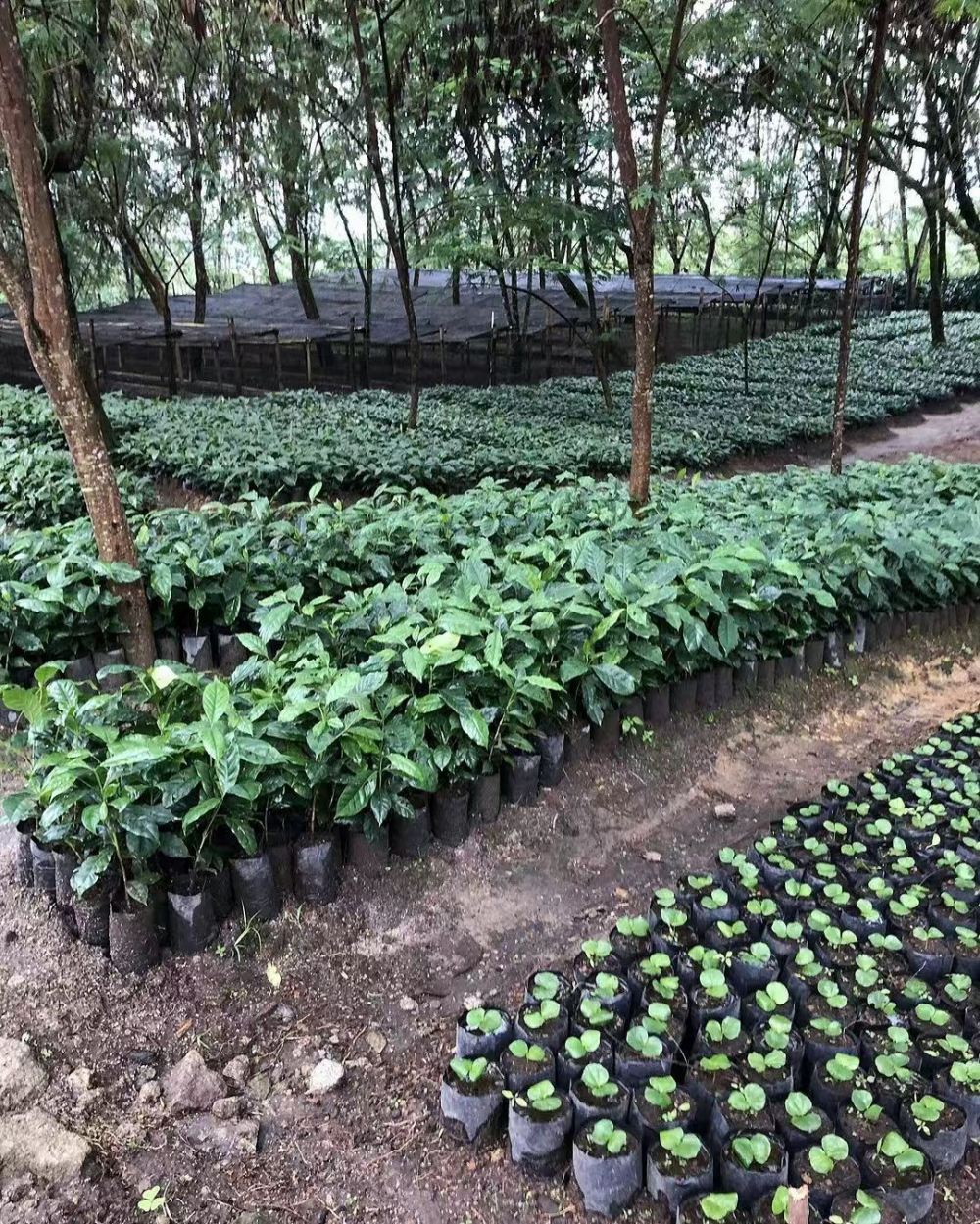
Coffee farming in Indonesia is predominantly carried out by smallholders, with over 95% of coffee beans coming from small-scale farmers. The country’s coffee-growing area exceeds 1 million hectares, with approximately 2.7 billion coffee trees. About 66% of these trees are cultivated in modern plantations, while the rest are managed by traditional smallholders. Many farmer cooperatives have obtained international organic certifications, gradually bringing Indonesian organic coffee into the spotlight.
When it comes to Indonesian coffee processing methods, the most representative is “wet-hulling” (Giling Basah), a semi-washed or pulp-natural process. The steps are as follows: first, the outer skin of the coffee cherry is removed, leaving the beans with some mucilage for brief drying, usually until the moisture content drops to around 30%, at which point the parchment (inner skin) is removed. Drying then continues until the beans reach a suitable storage moisture level. Because the outer protective layer is removed while the beans still have relatively high moisture content, the beans are compressed, resulting in their distinctive flat shape. This also contributes to their bold, low-acid flavors with earthy and spicy undertones.
Sumatra’s Mandheling coffee is one of Indonesia’s most iconic Arabica offerings, primarily grown around Lake Toba in northern Sumatra. Among its most well-known variants are Golden Mandheling, Lintong Mandheling, and Aged Mandheling. Golden Mandheling undergoes strict selection, with uniformly sized beans typically above 18 mesh, and multiple rounds of hand-picking. It boasts a clean, bright profile with notes of nuts, chocolate, and caramel, while herbal and earthy tones are significantly reduced, making it a classic choice among many pour-over enthusiasts.
Taking Golden Mandheling as an example, it is recommended to use a Kono filter for pour-over. The rib design of the Kono filter reduces airflow and extends the contact time between water and coffee grounds, helping to enhance the body. Suggested parameters are: water temperature 86°C, coffee dosage 15 grams, coffee-to-water ratio 1:15, grind size around 11 on the EK43 grinder (medium-coarse). The step-by-step extraction process is as follows: start with a 30-second bloom using 30 grams of water, then pour in small increments until reaching 125 grams for the first pour. When the water level drops and is about to expose the coffee bed, continue pouring to 225 grams before finishing the extraction. The total brew time is around 2 minutes, effectively highlighting its sweetness and layered complexity.
Additionally, Indonesia’s “civet coffee” (Kopi Luwak) is one of the most controversial and talked-about coffees globally. The beans are fermented in the digestive tract of civet cats and then excreted. Since civets only select ripe coffee cherries and the enzymes in their digestive fluids break down proteins in the beans, the resulting flavor is rounder and richer, often with herbal, nutty, and dark chocolate notes. However, due to ethical concerns surrounding the collection process and the prevalence of counterfeit products on the market, it’s essential to pay close attention to the source and quality when purchasing.
When brewing civet coffee, a Kono filter is also suitable. Recommended parameters include a water temperature of 86°C, 15 grams of coffee, a 1:15 coffee-to-water ratio, and a medium-coarse grind. Use a step-by-step extraction method: bloom with 30 grams of water for 30 seconds, then pour to 125 grams, followed by a second pour to 225 grams. Keep the total extraction time around 2 minutes to bring out its unique fermented aroma and rich body.
Java coffee presents a flavor profile distinctly different from Sumatra’s. It tends to have slightly higher acidity but remains soft, with delicate aromas and fruity notes, along with a clean and balanced taste. The main growing areas are concentrated in the volcanic regions of western Java at altitudes above 1400 meters, where fertile, well-draining soils contribute to its unique characteristics. Common flavor notes include mango, red wine, peach juice, and plum, with a clean finish and a touch of sweetness.
When brewing Java coffee, it is recommended to use a V60 filter to highlight its layered profile. The water temperature can be increased to 90°C, with 15 grams of coffee, a 1:15 coffee-to-water ratio, and a medium-fine grind (around 10 on the EK43 grinder). Similarly, use a step-by-step extraction method: begin with a 30-second bloom using 30 grams of water, then pour in small increments until reaching 125 grams, followed by a second pour to 225 grams. The total brew time is about 2 minutes, effectively showcasing its fruity and refreshing characteristics.
The above content is compiled by CoffeeHunters, a coffee news website.


