







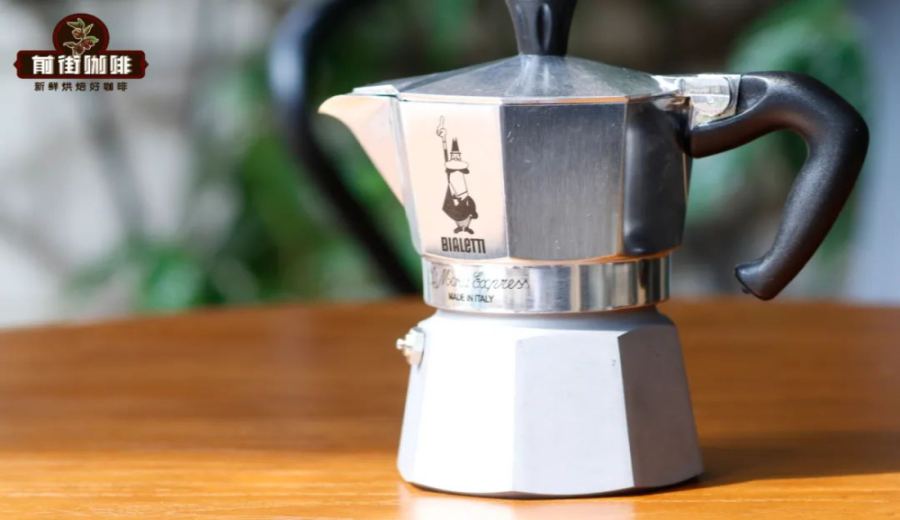
Introduction:The Moka pot is a staple brewing device in many coffee enthusiasts’ homes. As the inventor of the Moka pot, Bialetti’s single-valve and double-valve versions have long been a focus of attention. The two differ in extraction pressure, crema performance, and user experience. This article delves into the core differences between the two, offers practical purchasing advice, and includes detailed operation steps and bean recommendations to help you easily brew rich espresso at home.
As a classic home coffee brewing tool, the Moka pot has long been beloved by coffee lovers for its simple operation and ability to produce bold, flavorful coffee. Among them, Bialetti is not only the brand that invented the Moka pot but also maintains a leading market position thanks to its classic design and reliable quality. Currently, Bialetti’s Moka pots are mainly divided into single-valve and double-valve versions, which differ significantly in extraction principles, pressure performance, and the resulting crema layer. Understanding these details can help you choose the model that best suits your needs.
The birth of the Bialetti Moka pot originated from an idea by its founder, Alfonso Bialetti. In 1933, while watching his wife use a washing machine, he noticed how water rose due to steam pressure when heated, which led him to wonder if the same principle could be applied to brewing coffee. This idea eventually led to the creation of the world’s first Moka pot, completely transforming the way coffee was made in Italian households. To this day, the iconic mustachioed character “Omino” remains printed on Bialetti’s classic Moka pots, conveying the relaxed and joyful spirit of Italian coffee culture.
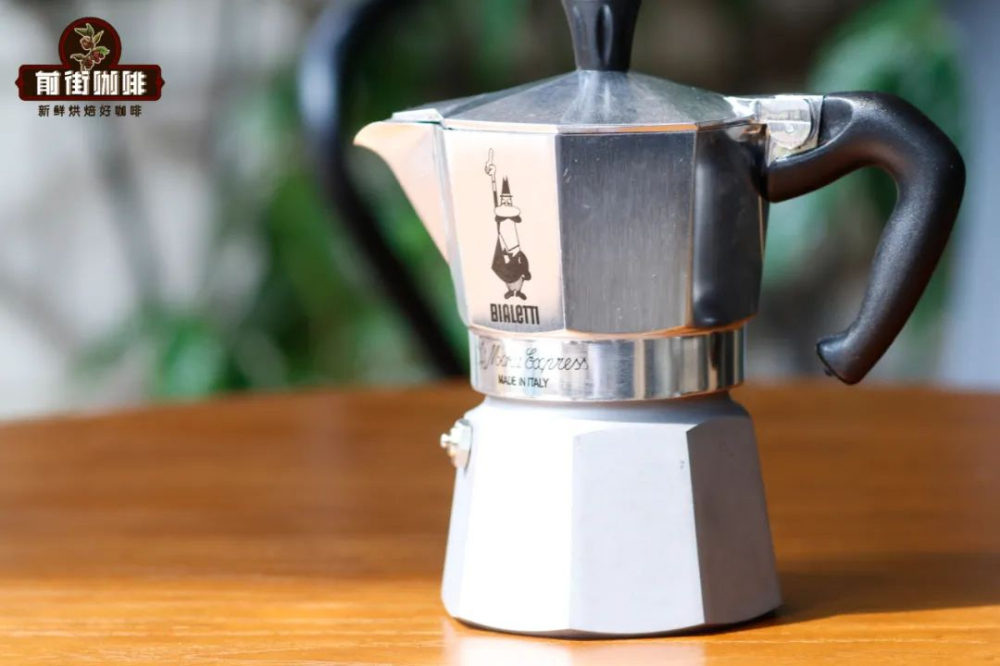
Among the many Moka pot brands, Bialetti is undoubtedly one of the most representative, with a market share that once reached 90% and still maintains over 50% today. In addition to the classic single-valve design, Bialetti also offers a double-valve version to meet the needs of users seeking higher extraction pressure and richer crema. Many consumers often wonder: what’s the difference between single-valve and double-valve? Which one is better suited for me? The following will detail the characteristic differences between the two.
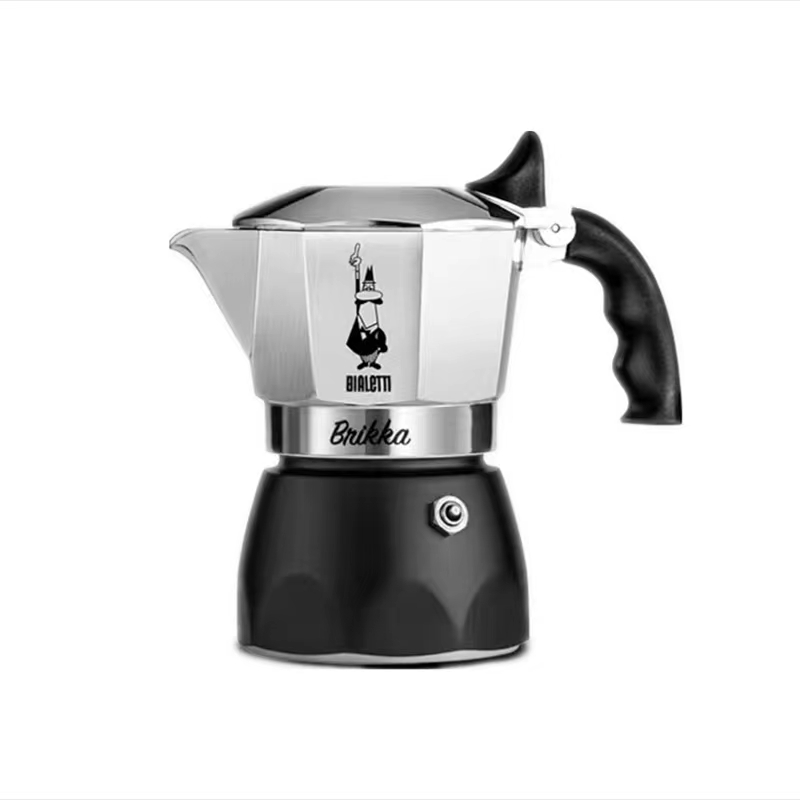
The single-valve Moka pot is the most traditional model, typically operating at a pressure of around 2 to 3 bar, which falls within the standard range of household steam pressure. This design can steadily extract coffee with a certain level of intensity, but the crema layer is relatively thin and less persistent. In contrast, the double-valve Moka pot introduces an additional valve design, effectively increasing internal pressure, usually achieving a more ideal extraction environment. This results in finer, richer crema with more distinct layers. If you prefer a classic look and stable performance, the single-valve is a good choice; if you’re after a more intense and refined extraction, the double-valve version is worth considering.

Using a Moka pot is actually quite simple, but each step can affect the final flavor. Here we’ll take the single-valve Moka pot as an example to illustrate the complete operation process. First, the Moka pot mainly consists of three parts: the lower chamber, the filter basket, and the upper chamber. The lower chamber holds water, the filter basket contains the coffee grounds, and the upper chamber collects the brewed coffee. When heated, the water in the lower chamber generates steam pressure, which pushes the water up through the central tube into the filter basket. The coffee grounds are then extracted under high pressure, and the resulting espresso is pushed up into the upper chamber and flows out.
For coffee bean selection, it’s recommended to use medium to dark roasted espresso beans. These beans typically have a bold flavor and lower acidity, making them well-matched to the high-pressure extraction of the Moka pot. Classic Italian blends, specialty blends, commercial blends, and even black cocoa blends with chocolate notes are common choices that pair well with the Moka pot, bringing out rich caramel, nutty, and subtle chocolatey aftertastes.
In terms of actual operation, start by adding hot water to the lower chamber, with the water level recommended to be about 0.5 cm below the safety valve. Using hot water helps reduce heating time. Next, add about 20 grams of medium-fine ground coffee into the filter basket, gently level the surface, but do not tamp it down forcefully, as this may affect water flow and extraction pressure. Place the filter basket into the lower chamber, then tightly screw the upper and lower chambers together to ensure a good seal. Place the Moka pot on an electric stove or similar heat source, and heat it on medium to high heat to bring it up to temperature quickly.
When the Moka pot starts to make a noticeable “wuu wuu” sound, it means the internal pressure is gradually increasing. At this point, you can reduce the heat and open the upper chamber lid to observe the coffee flowing out. Once the coffee begins to flow into the upper chamber and reaches about halfway, you can turn off the heat. The remaining coffee will be naturally pushed up into the upper chamber using the residual heat and pressure. Finally, pour the coffee into a cup to enjoy. The crema layer of the single-valve version is usually thinner, while the newer pressurized designs of Bialetti Moka pots show a clear improvement in crema performance, with more distinct layers.

The above content is compiled by CoffeeHunters, a coffee news website.


