







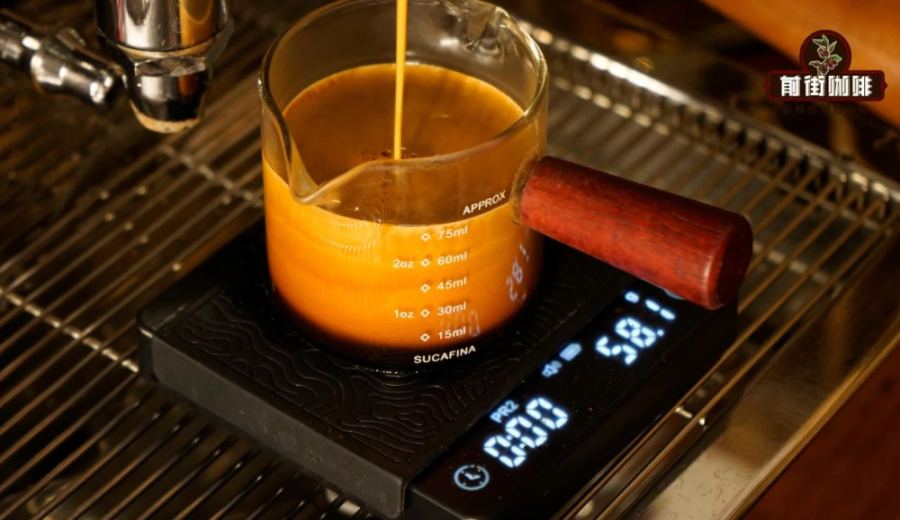
Introduction:Lungo is a classic Italian-style espresso originating from Italy, often mentioned alongside Espresso and Ristretto. However, its unique extraction logic and flavor characteristics often cause confusion. This article delves into the brewing principles of Lungo, exploring everything from coffee-to-water ratio, extraction time to concentration changes, to help you understand its fundamental differences from Espresso. Through historical background and practical evaluations, we reveal the unique charm and practical value of this "extended extraction" coffee.
Lungo, Espresso, and Ristretto are all basic types of coffee directly extracted using an espresso machine, but their extraction logic and final flavors vary greatly. Among them, Lungo, with its larger volume and relatively lower concentration, has become an entry choice for many coffee enthusiasts exploring the flexibility of espresso extraction. This article will break down the brewing parameters of Lungo from a technical perspective and compare its similarities and differences with other types of espresso, helping you gain a more comprehensive understanding of this classic beverage.
Simply put, Lungo is an espresso-derived coffee characterized by "extended extraction time" and "increased coffee liquid volume." Typically, a standard Espresso uses 7 to 9 grams of coffee grounds, extracted at a 1:2 coffee-to-water ratio, within 25 to 30 seconds to produce about 30 milliliters of concentrated coffee. In contrast, Lungo extends this extraction process—usually using the same amount of coffee grounds—but with a longer extraction time and increased liquid volume of about 100 to 120 milliliters, achieving a coffee-to-water ratio of up to 1:4 or even 1:5.
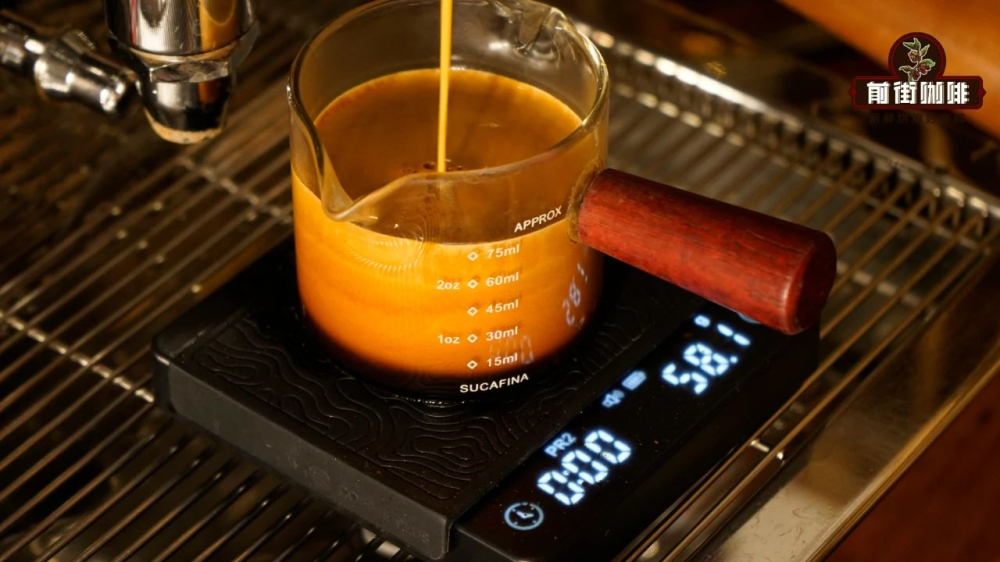
This extraction method results in Lungo having a significantly lower overall concentration than Espresso, with a relatively softer taste. However, because the extraction time is prolonged, more impurities and insoluble substances enter the coffee liquid, which can easily lead to over-extracted flavors such as pronounced burnt bitterness and astringency. In practical tests, using 20 grams of coffee grounds to extract 100 grams of coffee liquid took approximately 62 seconds, and the later-stage coffee liquid became as thin as water, with unsatisfactory flavor performance—especially the lingering burnt bitterness that persisted.
So, what exactly are the differences between Lungo, Espresso, and Ristretto? All three use the same coffee beans, grind size, and tamping conditions; the only differences lie in the extraction ratio and time. Espresso is a standard example of "golden cup extraction"—rich and balanced; Ristretto is a variation of "under-extraction," achieving higher concentration by reducing liquid volume, resulting in a more intense taste, often used in milk coffees like Flat White; Lungo, on the other hand, is the opposite—it represents "over-extraction," achieving a larger cup size and lower concentration by extending extraction time and increasing liquid volume.
It’s worth noting that Lungo is not used as a base for other coffee drinks but is meant to be consumed directly as a standalone coffee. In Italy, Lungo was once an important representation of the working-class coffee culture. Dating back to the 1950s, when the Espresso recipe (7 grams of coffee, 30 seconds, 30 milliliters) had just become popular, the 30-milliliter serving of concentrated coffee was too small for most people—it didn’t feel satisfying, yet they didn’t want to spend extra money on a second cup. As a result, Lungo, which extended extraction time and increased liquid volume, became the ideal choice for "more coffee without paying more."
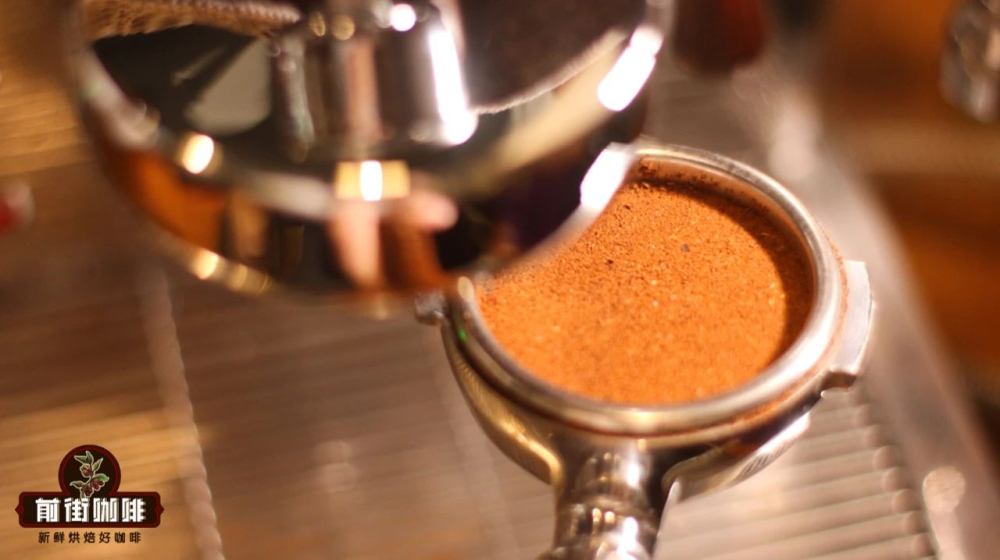
At that time, espresso machine technology was limited, and the extraction pressure and efficiency were not as advanced as modern equipment. Therefore, the flavor of Lungo was vastly different from today’s pursuit of "clean, bright, and layered" profiles. Back then, consumers generally believed that coffee should have a strong bitter taste—that was what made it "flavorful." Even early low-pressure espresso machines (such as those operating at 1.5 bar) not only lacked crema but also produced noticeable burnt and bitter notes.
Additionally, adding water to coffee at that time was seen as cutting corners, unlike today’s pour over or Americano styles, where "bypassing" is commonly used to adjust concentration. Therefore, the Italian approach of extending extraction time directly, rather than adding extra water to the concentrated coffee, also reflected their commitment and pride in coffee culture.
Returning to the present, with the rise of the specialty coffee movement, extraction methods that yield clear flavors and balanced acidity and sweetness have become mainstream. The traditional method of making Lungo can now seem outdated or even unpalatable. However, Lungo still holds practical reference value—it reminds us that the potential of espresso machines is not limited to producing concentrated bases. By adjusting grind coarseness, extending extraction time, and expanding the coffee-to-water ratio, we can explore different expressions of coffee flavor.
If you’d like to try making Lungo at home, it’s recommended to start with a 1:4 or 1:5 coffee-to-water ratio, using a medium-coarse grind, and control the extraction time between 30 to 45 seconds while observing flavor changes. Be especially mindful that excessively long extraction times and overly large coffee-to-water ratios can easily lead to over-extraction. It’s advisable to fine-tune parameters based on actual flavor performance to find the balance that best suits your taste.
The above content is compiled by CoffeeHunters, a coffee news website.


