







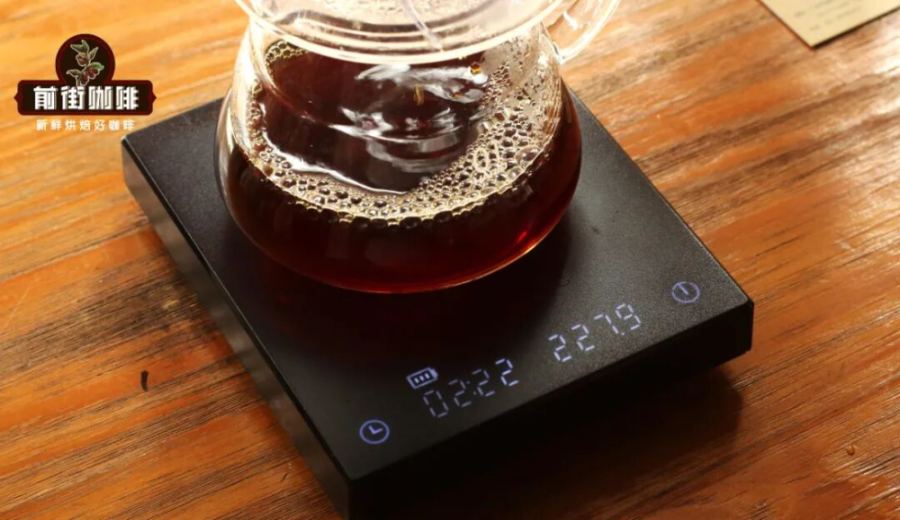
Introduction:During the pour over process, slow flow rate and prolonged extraction time are common challenges many coffee enthusiasts face, especially when brewing at home, where poor water drainage often occurs. This article delves into the three main factors affecting pour over flow rate—excessive fines, improper pouring technique, and characteristics of light roast beans—and offers practical adjustment tips such as modifying grind size, altering pouring methods, and selecting the right filter cone to help you improve extraction quality and flavor performance, even without changing your equipment.
In the pour over brewing process, extraction time is often the most subtle and difficult aspect to master when it comes to influencing flavor. Many home brewers have encountered this issue: after pouring hot water into the filter cone, it simply refuses to drip down, resulting in a drawn-out overall extraction time, sometimes even exceeding the ideal range. Some people choose to remove the filter cone early to avoid over-extraction, but does this approach really solve the problem? This article will analyze the common causes of slow flow and stagnant water from a practical standpoint and provide actionable improvement methods, enabling you to enhance your pour over performance without investing in expensive gear.
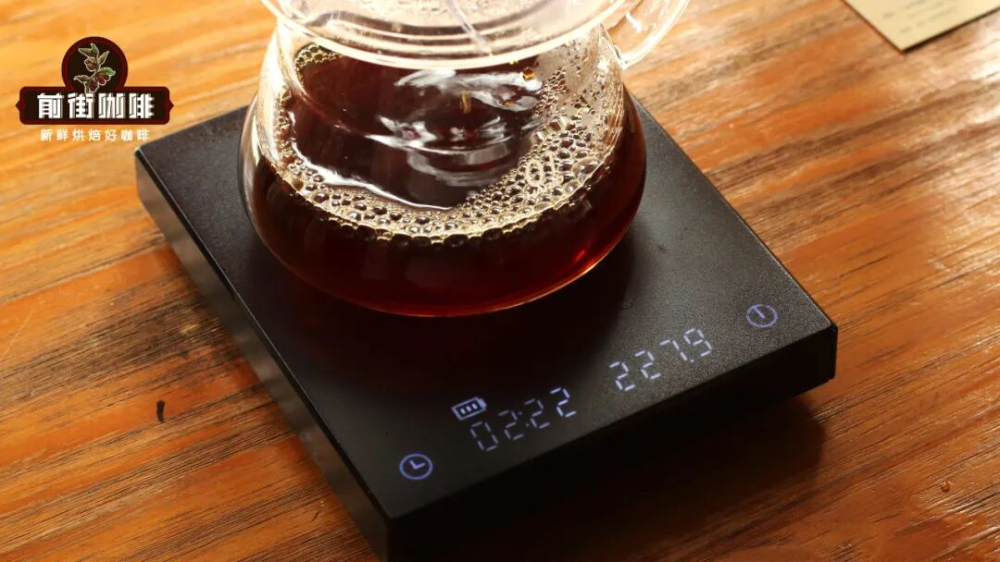
Compared to parameters that can be precisely controlled—such as water temperature, grind size, and brew ratio—extraction time is generally harder to manage and more susceptible to other variables. Yet, it remains one of the key indicators of whether the overall flow rate is normal. Many beginners, when brewing at home, often experience excessively slow drainage, causing total extraction time to exceed expectations. To avoid over-extraction, some opt to remove the filter cone prematurely—but is this emergency measure truly effective? What exactly causes the poor water flow? And how can adjustments be made to address these issues?
Generally speaking, it is recommended to stop pouring water between 1 minute 30 seconds and 1 minute 40 seconds, with the total dripping time of the coffee liquid ideally falling within approximately 2 minutes ±10 seconds. If the time is shorter than this range, it indicates a too-fast flow rate, which may lead to under-extraction; if it’s longer, the flow is too slow, increasing the risk of over-extraction, resulting in unpleasant bitterness, off-flavors, and astringency in the coffee.
These timing recommendations are based on commonly used pour over parameters—such as 15 grams of coffee, a 1:15 brew ratio, a grind size with about 70–80% particle retention through a #20 sieve, and a three-pour method—to derive a balanced point. During this roughly two-minute extraction period, water and coffee grounds can interact evenly and thoroughly, facilitating the stable release of flavor compounds.
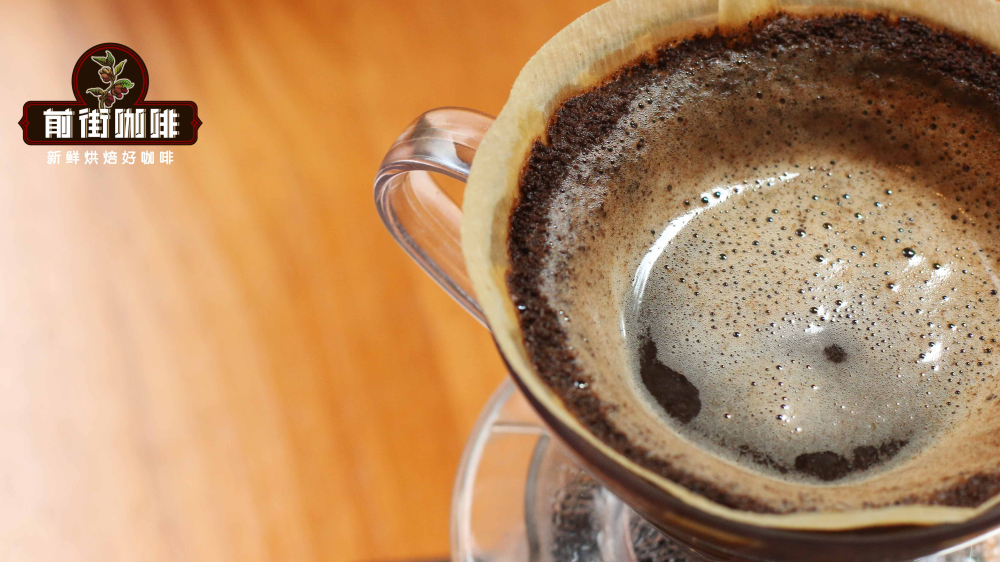
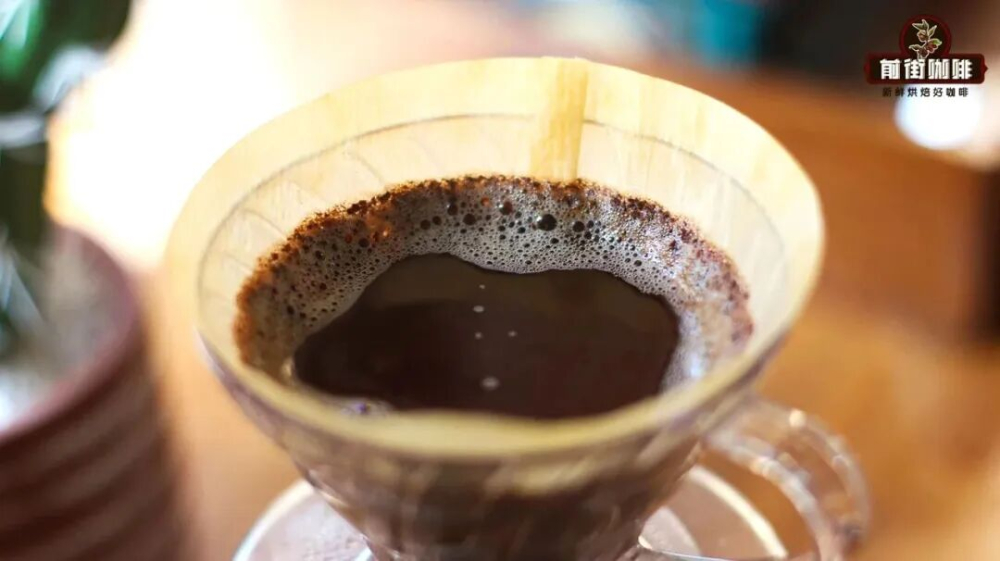
However, when the extraction time exceeds 2 minutes 10 seconds and you observe sparse foam or even exposed edges on the top layer of the filter cone, it usually means the water is significantly obstructed, with most of the flow only able to seep through slowly. In such cases, soluble substances in the coffee—especially large-molecule bitter compounds—may have been overly extracted, leading to subpar final cup flavor. Therefore, identifying the cause of water pooling is the first step toward improving pour over quality.
1. Excessive Fines: A Common Culprit
Most cases of slow pour over flow rate are directly related to the coarseness of the coffee grounds. When the grind is too fine, the resistance to water flow increases significantly—particularly when the proportion of fines and micro-fines is high—making it nearly impossible for water to pass smoothly through the coffee bed, resulting in water pooling and prolonged extraction time. Taking a typical pour over grind as an example, its texture is roughly similar to granulated sugar, corresponding to a #20 sieve retention rate of about 70–82%. If using an electric grinder like the EK43s, a setting between 9.5–11 is recommended; for hand grinders like the C40, the range is 22–26.
It’s important to note that no grinder, regardless of price, can completely eliminate the production of micro-fines. However, high-quality grinders can produce more uniform particles and effectively reduce the proportion of micro-fines, thereby improving extraction stability and flow rate. In contrast, lower-quality grinders often squeeze the beans before cutting them, resulting in uneven particles and excessive micro-fines. This not only affects flow rate but can also lead to dull bitterness and a gritty mouthfeel in the coffee.
If you notice severe water pooling in the later stages of extraction (over 2 minutes 20 seconds), a muddy-looking coffee bed with visible coarse particles, along with weak aroma and prominent bitterness, then the issue is likely related to the grinder’s output quality.
2. Pouring Technique Affects Flow Rate Performance
Many coffee lovers have the habit of making wide circular pours, especially after the bloom, aiming to spread out the foam by pouring in large circles. While this technique can gradually raise the water level, it often leads to overly dispersed water flow in the later stages, thinning out the coffee “wall” and causing coffee grounds to slide to the bottom, obstructing normal water passage and creating an immersion-like extraction environment.
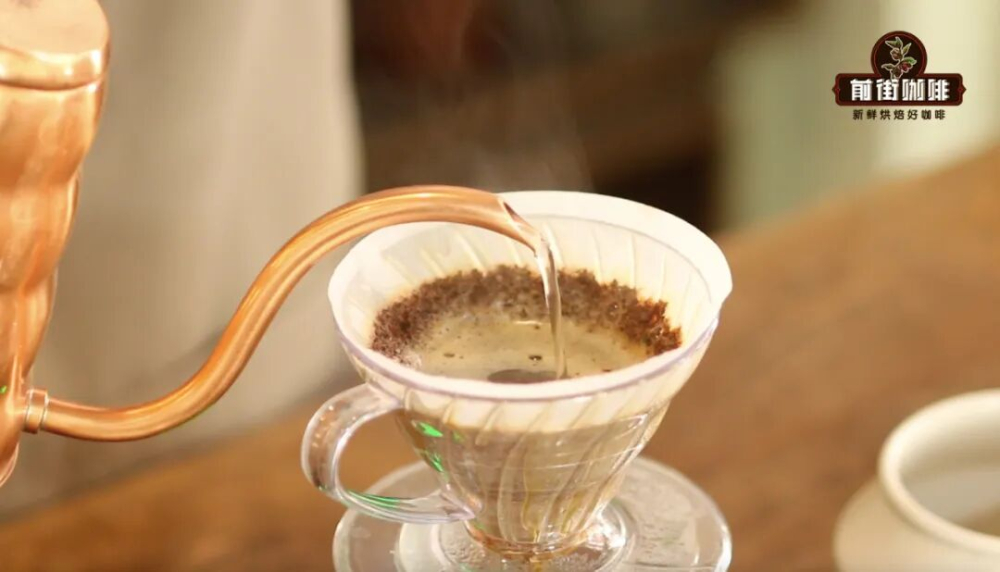
Another common issue is insufficient stirring after the bloom, which fails to effectively lift the coffee bed, resulting in fine particles accumulating at the conical bottom of the filter cone in the later stages. This forces water to drip slowly only along the edge of the filter paper, significantly slowing down the overall extraction time.
3. Structural Challenges of Light Roast Beans
If you frequently brew light roast beans with bright acidity and vibrant flavors—such as those with floral or berry notes—you may also encounter end-stage water pooling more easily. This is because light roast beans typically come from high-altitude regions, possess higher bean density, and have a compact internal structure, resulting in slower water absorption. Coupled with a relatively high proportion of fines, these beans can easily clog the filter paper during pouring, affecting drainage efficiency.
Especially during circular pouring, fines are more likely to be carried to the surface of the filter paper and accumulate, creating localized blockages that lead to uneven water flow and prolonged extraction time.
Practical Adjustment Tips
If you suspect that a too-fine grind is causing water pooling, try adjusting the grind setting 1–2 notches coarser and observe whether the flow rate and extraction flavor improve. If the flow becomes faster but the flavor becomes weaker after adjustment, you can moderately increase the water temperature by 1–2°C or slightly reduce the brew ratio to balance the extraction result. If no significant improvement is seen after adjusting the grind, consider using a sieve to remove some micro-fines or upgrading to a grinder with better grinding consistency.
Without changing your equipment, you can also try switching filter cones or filter papers—different materials and designs can yield varying flow rate performances (detailed comparisons can be found in related articles). Additionally, it is recommended to experiment with the “stacked pour” method: after the bloom, start pouring in small circles from the center, allowing the coffee grounds to naturally stack up to about two-thirds the height of the filter cone, forming a thinner coffee wall to help improve water flow speed. For the final pour, maintain a small water volume and limited pour area to ensure even contact between coffee and water while avoiding the scattering of edge grounds.
The above content is compiled by CoffeeHunters, a coffee news website.


