







Introduction:Many people believe that espresso can only be made with dark-roast beans, but in fact, light-roast beans can also rise to the challenge of espresso extraction. This article puts three Ethiopian light-roast beans—Huakui, Guodingding, and Dorothy—to the test by adjusting grind size, pre-infusion, and pressure, analyzing their flavor performance in espresso, Americano, and latte. Learn about the feasibility and limitations of using light-roast beans for espresso extraction, and gain practical parameter references and tasting suggestions.
In the world of espresso, dark-roast beans have always been the mainstream, especially what is known as "Italian Roast," which has an Agtron color value of around 25—the darkest level of roasting—with bean surfaces often exhibiting an oily sheen. However, the modern trend in espresso bean roasting has gradually shifted toward lighter hues. For instance, current espresso bean offerings on the market typically have Agtron values around 55, falling within the range of "City Roast."
So, what happens if we use even lighter "light roast" or "cinnamon roast"—beans with Agtron values between 85 and 95—for espresso extraction? This experiment takes you on a journey to find out, testing three popular Ethiopian pour-over beans: Huakui (natural), Guodingding (washed), and Dorothy (enzymatic washed), and observing their flavor profiles in Americano and latte.
Why have such experiments rarely been conducted in the past? The main reason is that early espresso machines had limited functionality, making it difficult to precisely control the extraction conditions required for light-roast beans. Today, with newer machines, it's possible to more flexibly adjust grind size, pressure, and pre-infusion time, making the experiment more feasible and valuable as a reference.
First up is Huakui. To successfully extract a bright and vibrant light-roast espresso, the first step is to adjust the grind—to make it finer. Without proper adjustment, you may encounter issues like overly fast flow rate: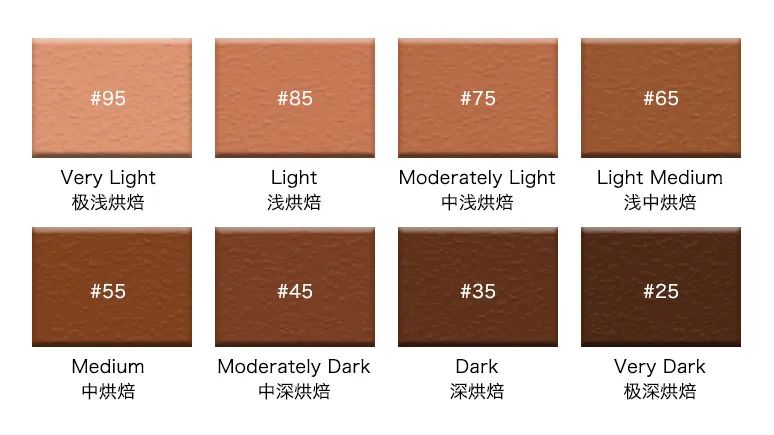
For example, in the initial test, coffee liquid flowed out rapidly at the 7-second mark, resulting in under-extraction. After three adjustments, the optimal parameters were determined: 20 grams of coffee, 8 seconds of pre-infusion, full pressure at 6 bar, total extraction time of about 30 seconds, yielding 35 grams of espresso.
This light-roast Huakui espresso exudes rich berry aromas, with a bright and juicy entrance reminiscent of concentrated fruit juice, coupled with a jammy intensity and slight tangy acidity. Next, hot Americano and hot latte versions were prepared for comparison.
The hot Americano performed surprisingly well, with clear berry aromas, a lively raspberry-like entrance, completely free of bitterness, and a sweet aftertaste reminiscent of passion fruit nectar. But when it became a latte, the coffee flavors were largely masked by the milk, leaving only a sweet and creamy milk taste, akin to infant formula, with almost no highlight of the coffee’s own characteristics.
The second test was Guodingding, a washed-process bean. Building on the previous experience with Huakui, the parameters were quickly adjusted this time: same 20-gram dose, pre-infusion shortened to 6 seconds, pressure reduced to 5 bar, total extraction time of 26 seconds, producing 32 grams of coffee.
The crema of Guodingding’s espresso was quite fragile, even dissipating rapidly before hot water was added, leaving behind only a thin layer.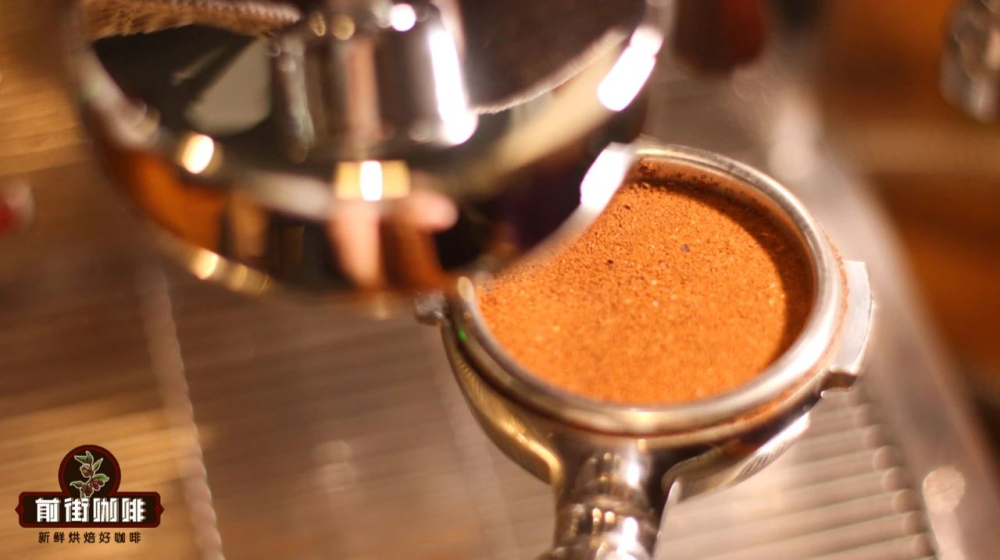
The hot Americano still performed decently, with prominent citrus aromas, a round and full mouthfeel, and a soft white floral aftertaste, though the finish was somewhat short-lived. However, when transformed into a latte, the performance fell short of expectations—the coffee flavors were too subtle, not only failing to complement the sweetness of the milk but also creating a slight sense of clash with the milk aroma, resulting in an overall lack of balance.
The final bean was Dorothy, which often exhibits a unique character reminiscent of "white peach oolong" when brewed as pour-over, leading the team to affectionately nickname it "White Peach Oolong." Based on its characteristics, the following parameters were set: 20 grams of coffee, 10 seconds of pre-infusion, 6 bar pressure, total time of about 29–30 seconds, extracting 35 grams of coffee. The resulting espresso had a rich peach aroma and a fresh, pleasing flavor.
The subsequent hot Americano became the highlight of this experiment, with intense peach aromas paired with a soft creamy texture and an oolong tea-like aftertaste. Its overall performance was even comparable to high-quality pour-over coffee, and it was deemed the most likable of the three.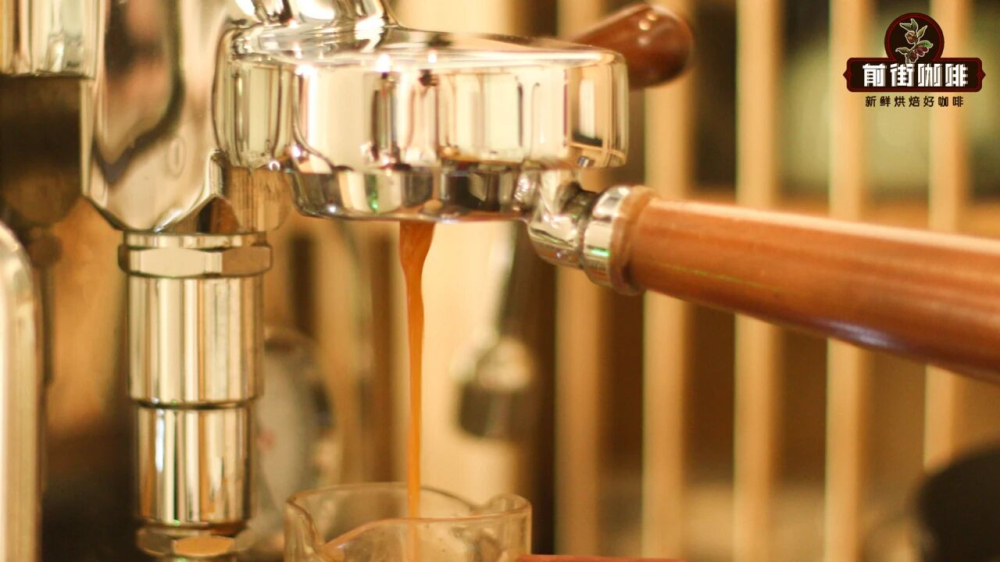
The latte version, meanwhile, brought an unexpected surprise—a light and delicate mouthfeel akin to subtle cheese, which, while differing greatly from traditional latte flavors, showcased another layer of enjoyable complexity.
Based on the performance of all three light-roast beans, a conclusion can be drawn: when used for Americano, light-roast beans can effectively showcase their original flavors, particularly their bright fruit acids and floral-fruity aromas, which are truly captivating. However, when paired with milk in a latte, the flavors of light-roast beans often appear thin and are easily drowned out by the milk, making it difficult to fully express their nuanced qualities.
For coffee enthusiasts eager to experiment with light-roast beans in espresso extraction, this experiment proves that it is indeed possible—but only with a deep understanding of key parameters such as grind size, water temperature, pressure, and pre-infusion, and through repeated practice and adjustments, can one extract an espresso that balances flavor and harmony.
The above content is compiled by CoffeeHunters, a coffee news website.


