







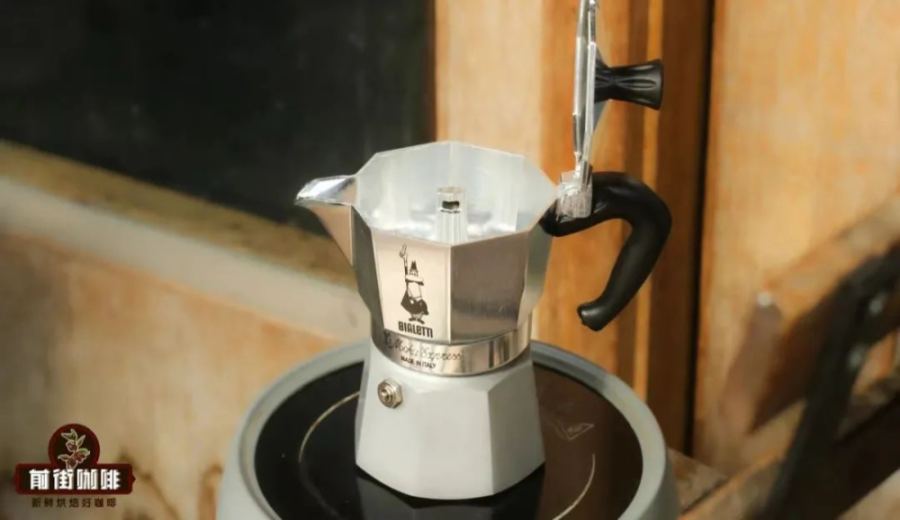
Introduction:Want to easily brew rich, crema-filled coffee at home with a moka pot? This article explains the structure, working principle, and brewing steps of the moka pot, covering practical tips such as optimal water levels, heat source selection, grind size adjustment, and even offers suggested ratios for making Americano and latte. It also includes flavor profiles of different coffee beans to help you master the secrets of using this classic Italian household appliance.
The moka pot is a top choice for many home coffee enthusiasts, loved worldwide for its simple operation. This classic Italian device not only quickly brews espresso rich in crema but can also be used to create a variety of drinks based on personal preference. This article will take you in-depth into the correct way to use a moka pot, from its basic structure to advanced techniques, helping you brew professional-level coffee at home.
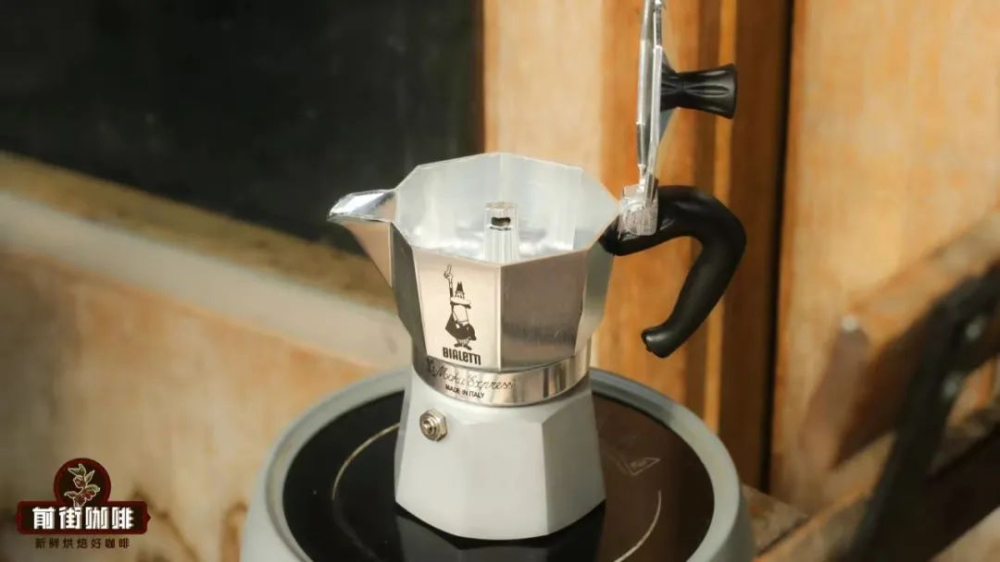
The design of the moka pot was actually inspired by everyday household appliances. Its inventor, Alfonso Bialetti, was inspired by his wife’s washing machine, observing how metal tubes in it could push heated liquid upward. In 1933, he created the first home appliance using steam pressure to brew coffee—the Moka Express. This groundbreaking design changed traditional high-pressure extraction methods, making coffee-making more accessible, and it remains an iconic item in Italian kitchens, with about 80–90% of households owning one.
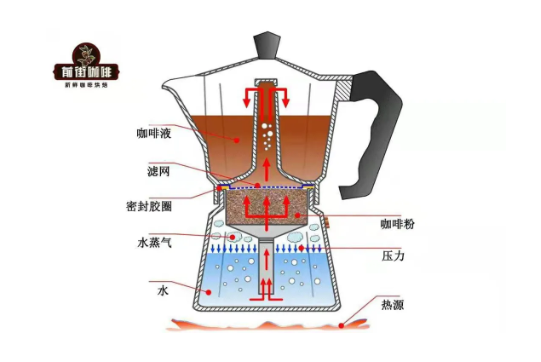
Understanding the structure of the moka pot is the first step to using it correctly. It mainly consists of three parts: the upper chamber, the filter basket, and the lower chamber. The lower chamber holds the water, the filter basket holds the coffee grounds, and the brewed coffee eventually collects in the upper chamber. Its working principle is to generate steam pressure by heating the lower chamber. When the pressure reaches a critical point, the hot water is forced through the coffee grounds layer, ultimately forming espresso in the upper chamber. This design retains the advantages of high-pressure extraction while lowering the barrier to operation.

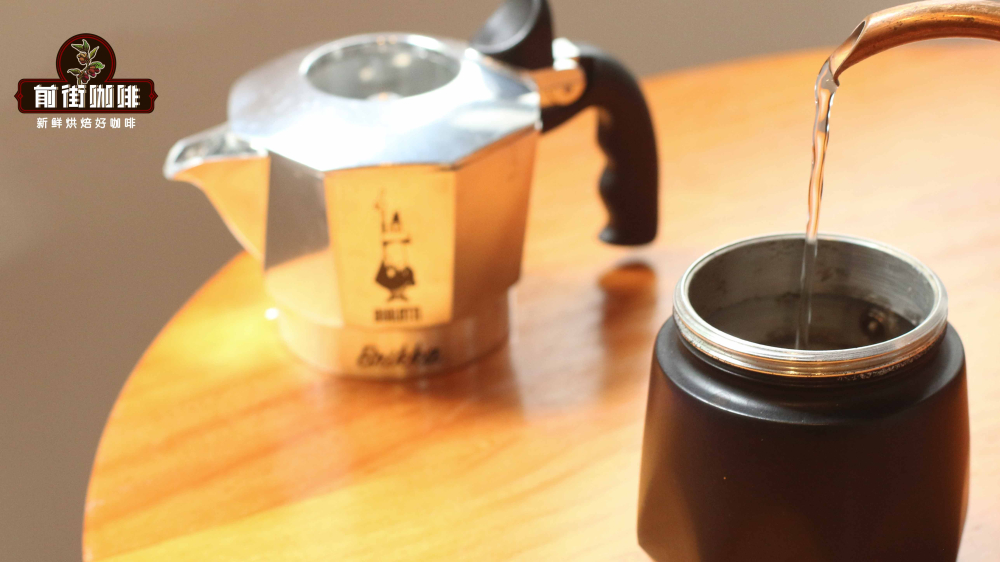
There are several key points to pay attention to during actual operation. First, the water level must be controlled below the safety valve—excessively high water levels may cause abnormal pressure release. It is recommended to use preheated or warm water, which not only shortens heating time and reduces the risk of overheating the coffee grounds but also avoids burnt or bitter flavors. For grind size, choose a particle diameter of 0.3 to 0.55 mm—slightly coarser than that typically used for standard espresso machines. You can judge by observing the flow rate: if the coffee sprays out like a fountain, the grind is too coarse; if you hear a hissing sound but the flow is slow, the grind needs to be finer.
Filling the coffee grounds also requires some technique. After adding the appropriate amount of coffee grounds into the filter basket, gently tap to allow the grounds to naturally settle, then evenly smooth the surface. Be sure not to tamp the grounds, as this may create excessive resistance. When assembling, ensure the upper and lower chambers are tightly closed, then place it on a stove (such as a halogen stove) to begin heating. When you hear a distinct hissing sound, reduce the heat and open the upper chamber lid—this is when the coffee crema and espresso will start to flow out.
Observe the flow of coffee into the upper chamber. Once it reaches about half the capacity, you can turn off the heat. Using the remaining heat and pressure to push the rest of the coffee into the upper chamber helps preserve more flavor compounds. The resulting espresso can be consumed directly, but the flavor is quite strong. Adjust according to personal taste: for a lighter taste, dilute with water to make an Americano; for a creamier, milk-forward drink, add milk to make a latte.
When making a moka pot Americano, it is recommended to mix the coffee with hot or cold water at a ratio of 1:3. For example, 60–90 ml of espresso can be combined with 180–270 ml of hot or cold water. This reduces bitterness while highlighting a richer aroma profile. To make a latte, use a 1:2 ratio of coffee to fresh milk—for instance, 60–90 ml of coffee with 120–180 ml of milk—to achieve a smooth, mellow milk coffee experience with subtle caramel notes.
The choice of coffee beans directly affects the final flavor. For a rich, full-bodied taste, opt for medium-to-dark roasted espresso blends, which often combine beans from multiple regions and offer flavors like nuts and chocolate, extracting a generous crema. For fruity profiles, choose single-origin beans processed at high altitudes—such as anaerobic sun-dried beans from the Huila region—which deliver bright tropical fruit aromas like passionfruit and grape. As an Americano, they present a refreshing fruity note, and when paired with milk, transform into a uniquely blackcurrant-flavored creamy coffee, offering an extraordinary taste experience.
The above content is compiled by CoffeeHunters, a coffee news website.


