








Introduction:When faced with numerous international and local coffee brands, consumers often mistakenly assume that rankings equate to quality assurance. However, professional roasters remind us that whether it’s single-origin beans or blended specialty beans, “freshness” is the key factor influencing flavor performance. This article delves into an analysis of the world’s top ten renowned coffee brands and provides a practical coffee bean buying guide—from identifying roast dates, understanding the function of one-way degassing valves, to appreciating regional flavor differences—to help you find the one that best suits your palate.
Among the wide array of coffee products, many consumers habitually rely on brand rankings as their purchasing guide, believing that products at the top of the list must represent outstanding quality. In reality, however, regardless of whether you prefer single-origin coffee beans or blends specifically designed for espresso, “freshness” is the core element that determines whether a cup of coffee tastes good. This article will introduce readers to the world’s top ten well-known coffee brands and offer specific methods for selecting fresh coffee beans from a professional perspective, along with suggestions for choosing beans that match individual taste preferences—helping you master key techniques and no longer be swayed by rankings.

Many people search online for brand rankings before buying coffee beans, assuming that the higher a brand ranks, the more trustworthy its product quality. However, this is not always the case. In fact, everyone’s taste preferences are vastly different, and a best-selling brand recommended by others may not suit your drinking habits. Therefore, establishing the correct consumer mindset and understanding the importance of freshness is the right starting point for further exploring the world of coffee. This article compiles ten coffee brands widely recognized in the global market and further shares how to pick the coffee beans that truly suit you by observing packaging details and flavor characteristics.
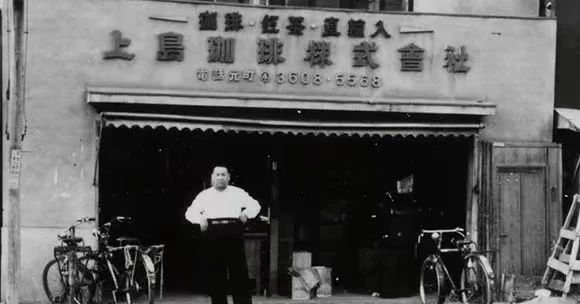
Below is a compiled list of the world’s top ten well-known coffee brands (listed in no particular order): First, Nescafé, this historic brand was founded in 1867, and its classic bird’s nest logo was designed in the late 19th century, symbolizing the beautiful vision of reducing global infant mortality; next is UCC, established in Japan in 1933, which not only enjoys high acclaim domestically but also is synonymous with quality in the international market; Starbucks was founded in the United States in 1971 and has now become one of the largest and most well-known coffee chains globally; Royal Copenhagen has long maintained a reputation for high quality and holds a solid position in the coffee market; KreisKaffee (Claire Coffee) from Germany, founded in 1963, was among the first brands to develop vacuum-packed instant coffee, enjoying widespread praise in Europe and the Soviet region; the British brand Wedgwood, established since the mid-17th century, carries on the classic richness of English-style coffee; Royal Flavor stands out with its diverse flavor profiles, offering rich taste layers even within the same product; Dallmayr from Munich, Germany, is renowned for once being favored by royalty; additionally, local brands that offer over 50 types of freshly roasted beans for free include not only mainstream origins and high-scoring single-origin beans but also affordable everyday beans; finally, Shangdao Coffee, established in Taiwan, China in 1968, is acclaimed worldwide for its exquisite roasting craftsmanship and uniquely aromatic, mellow taste.
It’s worth noting that brand rankings can only serve as a reference, not an absolute guarantee of quality. Every coffee lover has different taste preferences, and some brands may be highly rated but not necessarily suit your personal taste. Therefore, it’s recommended that consumers clarify their preferences for flavor, acidity, and body before making a purchase, and then make judgments based on key factors such as freshness to find the coffee beans that truly satisfy you.
Whether you prefer single-origin coffee beans or espresso-roasted beans, “freshness” is always the primary indicator for evaluating the quality of coffee beans. So, how can you tell if a bag of coffee beans is fresh? Professionals suggest first looking at whether the packaging clearly indicates the roast date, rather than just listing an expiration or best-before date. It’s advisable to choose from reputable, professionally managed brands that focus on fresh roasting. Moreover, high-quality coffee packaging usually comes with a “one-way degassing valve,” the small round hole located on the top of the coffee bag, which is designed to allow naturally released carbon dioxide from roasted beans to escape while preventing outside oxygen from entering, thereby slowing down the oxidation process. You can place your nose close to the one-way degassing valve, gently squeeze the coffee bag—if you smell a rich and captivating coffee aroma, it means the beans are still fresh; conversely, if the scent is weak or there’s even a greasy or rancid odor, it indicates that the beans may have gone bad, and it’s best to avoid purchasing them.
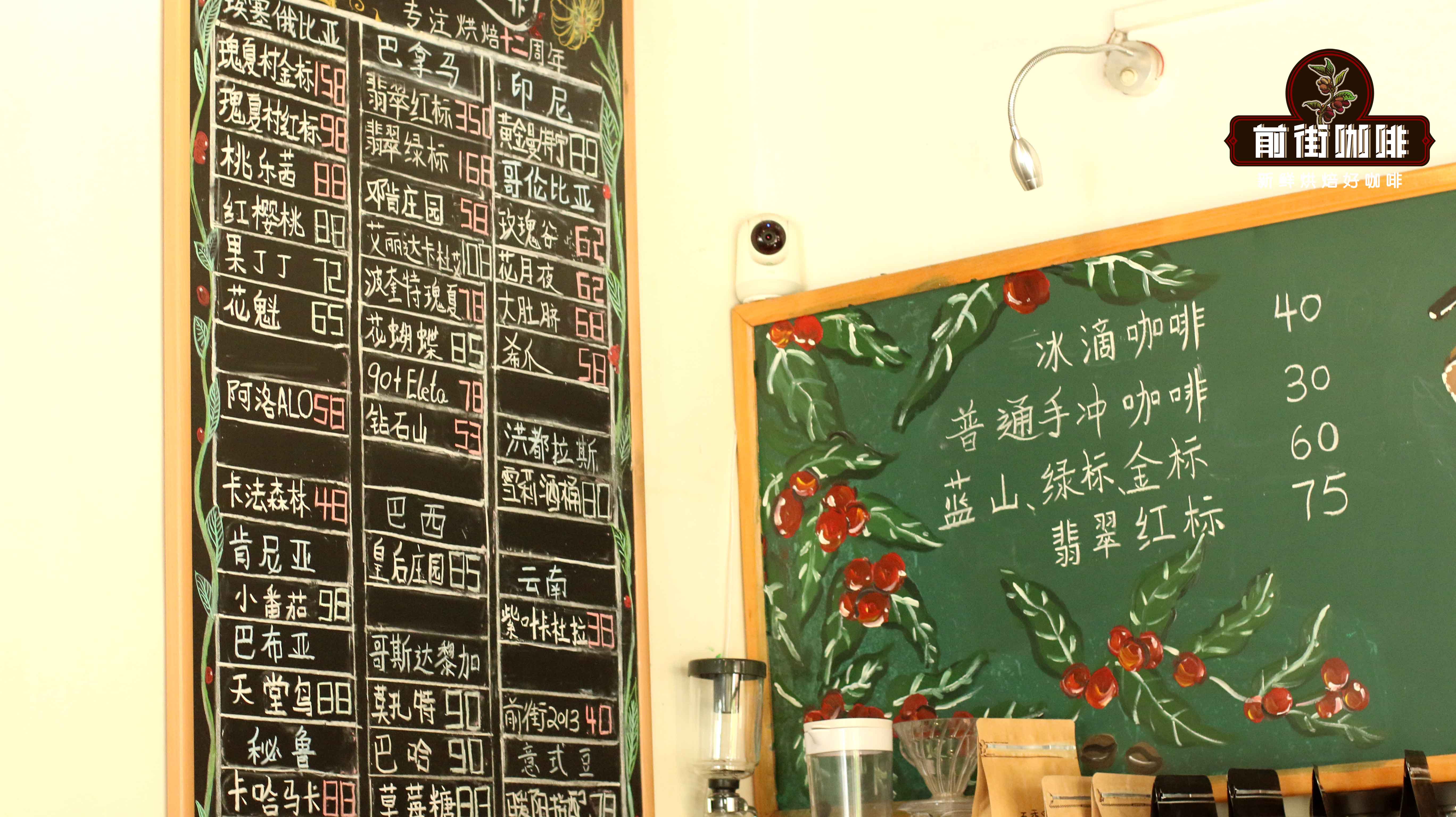
Coffee beans from different origins exhibit vastly different flavor characteristics. For example, beans from Central and South America often carry distinct fruity acidity and floral notes, while African-origin beans are commonly known for their bright acidity and unique berry or citrus aromas. Understanding these basic flavor profiles can help you choose the coffee beans that best match your personal taste.
For beginner coffee enthusiasts, here are several commonly recommended and well-received coffee types: If you enjoy floral flavors, try Panamanian Geisha coffee—this bean is often hailed as one of the most expensive coffees in the world, known for its unique jasmine and peach aromas; for those who prefer bright acidity, consider Huakui coffee, which offers a flavor profile reminiscent of a blend of black tea and berries with rich layers; if you’re after a juice-like, refreshing taste, Kenyan coffee with its small tomato-like flavor is a great choice. For readers seeking balanced flavors—neither overly acidic nor overly bitter—Brazilian Red Bourbon and Bird of Paradise coffee are recommended, both showcasing smooth and mellow characteristics. And if you’re drawn to a rich, full-bodied taste, go for high-grade Golden Mandheling coffee; this bean undergoes strict hand selection with an extremely low defect rate, delivering clear aromas and elegant aftertastes. These coffee beans are not only suitable for pour over but also work well with various brewing methods, allowing you to easily experience the charm of different flavors.
The above content is compiled by CoffeeHunters, a coffee news website.


