







Introduction:Although both drip bags and Americano are types of black coffee, they differ significantly in brewing methods, flavor profiles, and convenience. This article delves into the differences between the two, introduces the origins and usage of drip bags, and recommends drip bag coffee options suited to different taste preferences—categorized into three types: bright and fruity acidity, rich and nutty, and bold fruity flavors. It also shares key insights on freshness and storage to help you find your ideal drip bag coffee experience.
Both drip bags and Americano fall under the category of black coffee, but they differ markedly in preparation methods and the final flavor profiles. Drip bags contain pre-ground coffee placed in specially designed filter bags, where hot water is poured directly through for extraction. The entire process is simple and quick, making it highly suitable for daily use or on-the-go scenarios. In contrast, Americano is made by extracting concentrated espresso using an espresso machine, then diluting it with hot or cold water to adjust the strength. As a result, it typically has a richer and more layered flavor profile.
The origin of drip bags can be traced back to Japan in the 1990s, with its design inspired by hanging tea bags. The inventor at the time aimed to replicate the flavor and experience of pour over coffee, so they packed pre-ground coffee into non-woven fabric filter bags and designed “small ears” on either side of the bag—structures that allow the bag to hang steadily over the rim of a cup, facilitating easy extraction. This idea was patented in 2002, quickly gained popularity, gradually became mainstream, and influenced many Chinese-speaking markets including Taiwan.
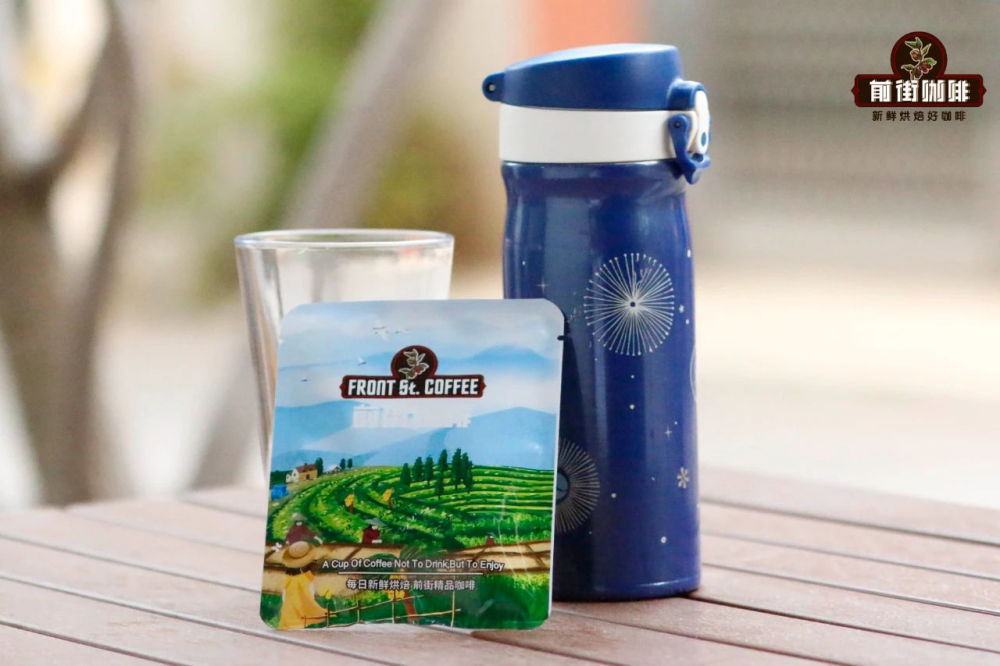
Brewing with a drip bag is incredibly simple—all you need is a kettle of hot water and a cup to enjoy a fragrant cup of black coffee. A standard commercial drip bag contains 10 grams of coffee grounds, which yields about 130–150 milliliters of coffee liquid, a perfect single-serving amount. Once brewed, simply discard the filter bag along with the coffee grounds, with no need to clean any complicated equipment. It’s highly suitable for various settings such as the office, home, or outdoors.
In comparison, Americano is usually made by extracting highly concentrated espresso using an espresso machine, then diluting it with a large amount of hot or cold water. Since medium to dark roasted beans are commonly used, Americano often exhibits a more balanced and robust flavor, with a blend of bitterness and sweetness, making it ideal for those who prefer intense flavors.
So, who invented the drip bag? The answer is Japan’s Yamakan Industry Co., Ltd., which launched this innovative product as early as 1990, combining the convenience of tea bags with the quality of pour over coffee. The designer drew inspiration from traditional hanging tea bags and applied the concept to the coffee world, allowing users to enjoy the refined experience of drip-filtered coffee without the need for complex equipment. These filter bags, equipped with “ears” for hanging, not only sit securely on the rim of a cup but also effectively filter out coffee grounds, ensuring every sip is clean and smooth.
With the rise of specialty coffee culture, an increasing variety of coffee bean types have been made into drip bags, allowing consumers to easily explore diverse coffee flavors at home, in the office, or outdoors. Some brands offer bean menus featuring over fifty single-origin coffees that can be made into drip bags. Whether you prefer bright fruity acidity, rich nuttiness, or bold fruity notes, you’re sure to find a suitable option.
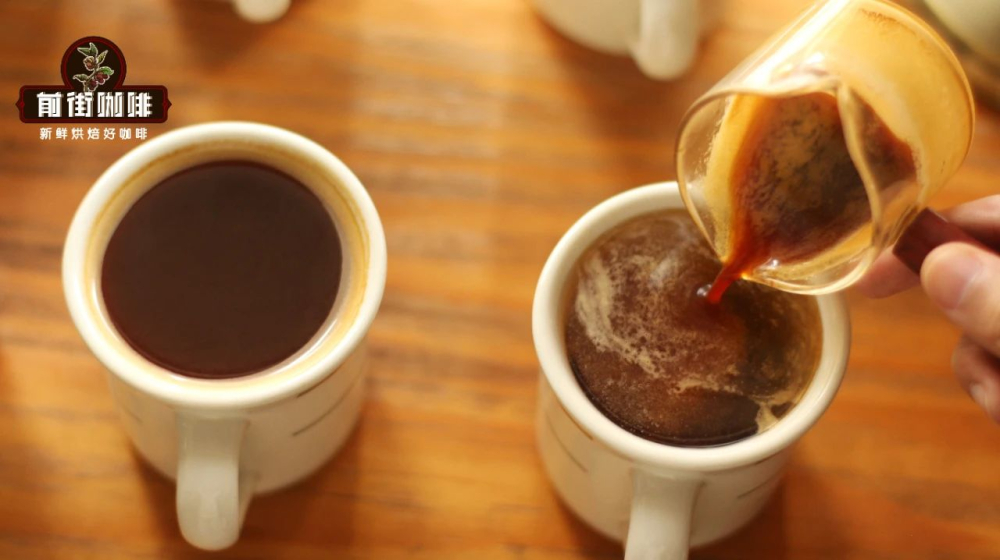
If you particularly enjoy bright fruity acidity and floral notes, here are several drip bag coffees worth recommending: Fruit Ding Ding Drip Bag, with its white floral notes and hints of lemon and citrus; Washed Geisha Drip Bag, Mini Tomato Drip Bag, and Flower Butterfly Drip Bag—all excellent choices that showcase vibrant acidity and lively flavors. Additionally, Bach Drip Bag, Red Cherry Drip Bag, and Huagui Drip Bag, whose flavor descriptions include dried fruit, tropical fruits, and rose floral notes, are also well-suited for coffee lovers seeking refreshing complexity.
For readers who prefer rich and full-bodied flavors, medium to dark roasted drip bags are recommended, such as Queen Estate Drip Bag, Bird of Paradise Drip Bag, Golden Mandheling Drip Bag, Blue Mountain Drip Bag, and Hui Lan Drip Bag. These beans typically exhibit intense aromas of nuts, chocolate, caramel, cream, and cocoa, with low acidity, a full body, and a smooth mouthfeel—perfect for those who enjoy deep-roasted profiles.
If you’re eager to experience multi-layered fermented aromas and a rich flavor profile in a single cup, try the Mozart Drip Bag, Strawberry Candy Drip Bag, and Xi Zha Drip Bag. These drip bags often blend fruity sweetness, wine-like notes, and the unique characteristics of special processing methods, offering delightful surprises for your taste buds.
To preserve the original flavors of coffee as much as possible, the coffee grounds used in drip bags are usually freshly ground from recently roasted beans. Generally, the optimal brewing time begins around the fifth day after roasting. As an example of a common process, some brands ship their drip bags when the beans have been roasted for four to five days, just entering the peak flavor window. It is recommended that consumers drink them as soon as possible upon receipt to avoid aroma loss due to prolonged storage. If you’re pursuing the most complete and nuanced coffee flavor experience, consider buying freshly roasted whole beans and grinding them just before brewing to enjoy a richer, more layered coffee taste.
The above content is compiled by CoffeeHunters, a coffee news website.


