








Introduction:During the Spring Festival, many coffee enthusiasts stock up on beans in large quantities, but properly preserving them to maintain freshness is the key challenge. This article delves into the three major taboos—high temperatures, humidity, and oxidation—to avoid when storing coffee beans, explores the feasibility of refrigeration and freezing, and provides practical tips ranging from airtight storage to proper thawing to help you preserve your coffee's optimal flavor.
On the eve of the Spring Festival, many coffee lovers take advantage of the fact that logistics haven’t completely halted yet to stock up on enough beans for holiday enjoyment. However, once the beans are purchased, how to store them to retain their freshness and aroma is a concern for both beginners and seasoned coffee aficionados. During the storage process, there are three main “enemies” to avoid: high temperature, humidity, and oxidation.
High temperatures accelerate the evaporation of aromatic compounds in coffee beans. Especially in direct sunlight, not only do aromas dissipate more quickly, but the warm, humid conditions may also foster mold growth, leading to bean spoilage. For coffee fans living in humid regions, such as those in southern China, the damp air during the "return of the south" (a period of heavy moisture) can easily cause the beans to absorb excess moisture, which can then lead to mold and spoilage, severely affecting brewing quality. In addition, oxidation is another major contributor to flavor loss. Just like a peeled apple or sliced potato gradually turning brown when exposed to air, coffee beans lose their rich flavors rapidly over time when in contact with oxygen, shortening their optimal drinking window.
For these reasons, it is recommended that unopened coffee beans be kept in their original packaging and stored in a cool, dry, and well-ventilated place. If the packaging includes a one-way degassing valve, it can effectively release built-up carbon dioxide while preventing excessive outside oxygen from entering, helping to extend the beans’ freshness. For opened coffee beans, although transferring them to an airtight container is an option, it’s best to do so just before brewing to minimize unnecessary air exposure.
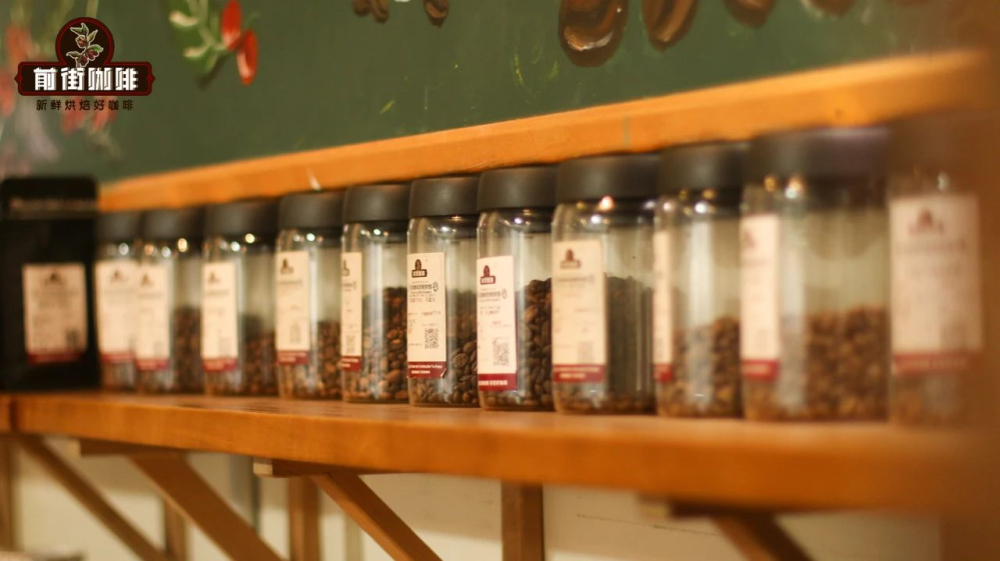
Some coffee enthusiasts have the habit of opening the bag as soon as they receive the beans and transferring them to what they believe are more airtight containers, such as glass or metal jars, thinking this will better preserve the flavor. However, if the beans are still unopened, the original packaging is usually already designed with anti-oxidation features—especially bags with one-way valves—that effectively balance internal and external pressure and reduce oxygen ingress. In contrast, the act of transferring the beans exposes them to air one more time, which might do more harm than good. Therefore, it’s recommended to leave unopened coffee beans as they are, stored in a dark, cool, and dry environment.
As for refrigerating or freezing coffee beans, while these methods can theoretically slow down oxidation through low temperatures and thus extend the preservation of flavor, they come with several practical challenges. Based on past testing experiences, storing coffee beans at around 5–15°C in the refrigerator, or at -20°C in the freezer, can indeed significantly reduce oxidation rates and help prolong the beans’ shelf life to some extent.
However, household refrigerators are generally not designed specifically for storing coffee beans. They often contain various other foods such as fruits, leftovers, and drinks, filling the environment with all kinds of odors. Coffee beans are highly absorbent, and once they take in these foreign smells, it can seriously compromise their original flavor, resulting in brewed coffee with unexpected and undesirable tastes.
Another commonly overlooked issue is the thawing process. If beans are stored in the refrigerator, taking them out for grinding might lower the brewing water temperature slightly due to the beans’ cooler temperature, thereby reducing extraction efficiency and leading to a weaker-tasting coffee. On the other hand, beans taken from the freezer require time to return to room temperature. If not handled properly during this period, moisture in the air can condense on the bean surface, causing them to become damp and further affecting the expression of roast flavors and the consistency of the grind.
If you can ensure that the coffee beans have a dedicated storage space in the fridge, away from other foods, and can precisely manage the thawing steps and grinding timing, then low-temperature storage can still serve as a supplementary method. However, for most home users, the simplest and most effective approach is still to adhere to the three basic principles of “cool, dry, and sealed” when storing coffee beans. Only in this way can you ensure that every brew delivers the purest flavor of the coffee.
The above content is compiled by CoffeeHunters, a coffee news website.


