







Introduction:Many coffee enthusiasts believe that freshly ground beans equate to freshness, but in reality, the roast date of the coffee beans is the true key to determining their flavor. This article delves into how to identify fresh coffee beans, introduces the science and recommended duration of coffee resting, clarifies the difference between the best-by and expiration dates, and analyzes the pros and cons of various storage methods. It also specifically explains why grinding beans leads to flavor loss, helping you store your beans to achieve the optimal flavor.
Many people mistakenly assume that simply grinding coffee beans fresh will allow them to enjoy the most premium aroma and flavor—but the truth is not so simple. To truly appreciate the essence of a cup of coffee, beyond the step of freshly grinding, an even more critical factor is the roast date of the coffee beans. The longer the time after roasting, the more the internal flavor compounds in the beans gradually dissipate, or may even vanish entirely. Professional roasters often emphasize that after 50 days post-roast, coffee beans can hardly showcase their original rich complexity. Therefore, knowing how to select fresh coffee beans and properly storing them is fundamental knowledge every coffee lover should master.
When selecting fresh coffee beans, the first thing to look for is whether the packaging clearly indicates the roast date—not just the expiration or best-before date. It’s recommended to choose beans from reputable brands that focus on fresh roasting. Additionally, high-quality coffee packaging usually comes with a "one-way degassing valve"—a small round hole located on the top of the package that allows carbon dioxide produced during the beans’ maturation process to escape naturally while preventing outside oxygen from entering. You can gently squeeze the bean bag and bring your nose close to the degassing valve to sniff—if it emits a rich and enticing coffee aroma, it means the beans are still fresh; conversely, if the smell is faint, or if there's a greasy or rancid odor, the beans are likely stale and not recommended for purchase.
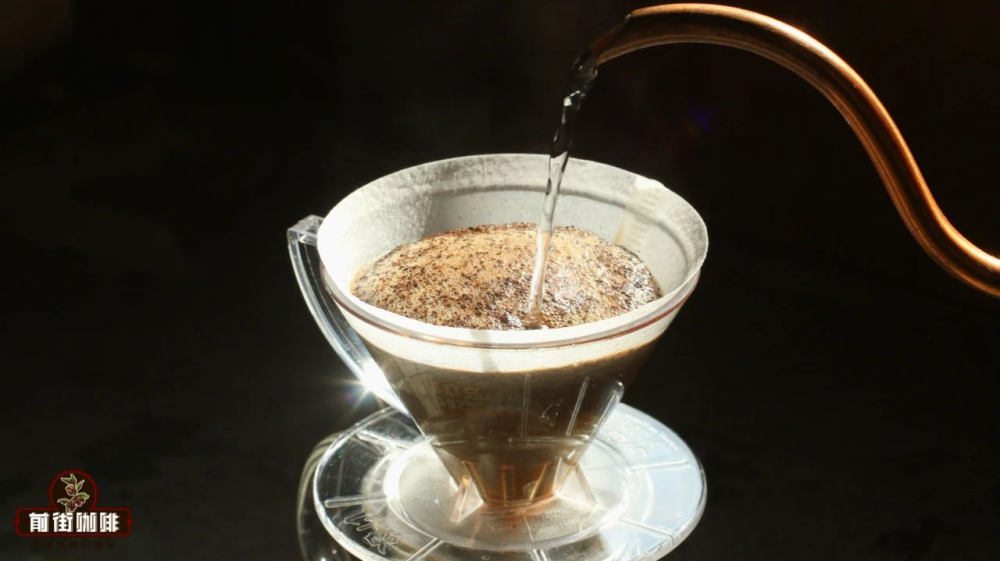
Why do coffee beans need a resting—or “degassing”—period? Resting refers to the process after roasting where residual carbon dioxide inside the beans is gradually released. This carbon dioxide makes up about 2% of the weight of the beans after roasting and will slowly seep out over time. During this period, the buildup of gas inside the packaging creates an environment with pressure higher than atmospheric levels, which helps aromatic compounds and oils integrate better, thereby enhancing the performance of subsequent extraction. Resting is also referred to as “awakening” or “maturation,” and is a crucial step in bringing out the ideal flavor profile of the coffee.
Depending on the roast level, the required resting time varies. Generally, light roast beans are recommended to rest for 5 to 7 days, medium-light roasts for about 3 to 4 days, and medium-dark roasts for roughly 2 to 3 days. If the beans are intended for espresso, typically dark roasted, it’s advised to extend the resting period to around 15 days. This avoids disruptions caused by residual gases during high-temperature extraction, which could lead to unstable flow rates or imbalanced flavors. During the resting period, simply keep the coffee beans in their original packaging and place them in a cool, dry, and well-ventilated area to allow the carbon dioxide to release naturally—there’s no need to open the package early.
Speaking of the coffee bean’s best-by date versus its expiration date, these are two concepts often confused. The best-by date refers to the period when the coffee beans exhibit peak flavor or are still drinkable, which generally begins around 3 to 7 days after the roast once the resting period is underway. This “golden window” typically lasts only about 30 days. During this time, volatile floral and fruity aromas gradually weaken, while sugar, nutty, and chocolate notes remain relatively stable, though overall flavor will still decline over time. Once past the best-by date, although the beans are still drinkable, their vibrancy and complexity will be significantly diminished. In contrast, roasted whole bean coffee generally has a shelf life of six months to a year, but this doesn’t mean the flavor remains outstanding throughout that period.
So, how should you properly store coffee beans to slow down flavor loss? First, it’s recommended to transfer rested beans to an airtight, moisture-proof, and light-blocking container, and store them in a cool place. Special attention should be paid to avoiding direct sunlight, as light accelerates the evaporation of aromatic compounds and significantly shortens the best-by period. Moreover, if the storage environment is too humid, even airtight containers may not fully prevent the beans from absorbing moisture, leading to off-flavors or even mold. Many coffee shops use transparent airtight jars to display beans, usually because those beans have a fast turnover rate, making the impact relatively minor—but at home, similar conditions should be avoided.
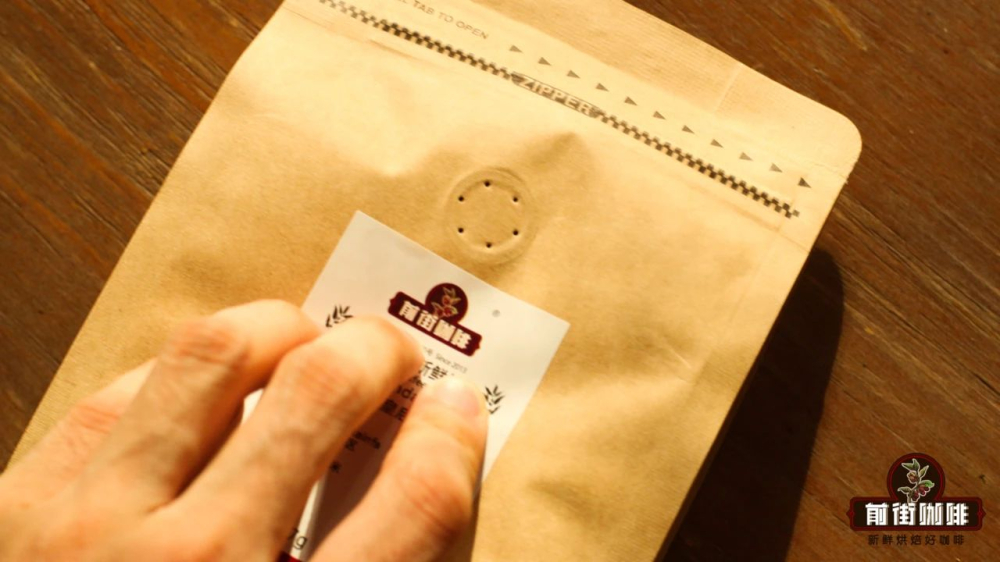
Commonly seen one-way degassing valve storage canisters on the market function similarly to the valves found on coffee bags. They allow internal carbon dioxide to escape while effectively blocking external oxygen, making them a good choice for slowing down coffee oxidation. If you don’t have a dedicated storage canister at home, the original packaging is also a decent alternative, as it usually comes with a built-in one-way valve and a seal. However, the moisture resistance of original packaging is generally weaker, so if you choose this method, it’s best to consume the beans within 14 days and ensure the storage environment is dry and ventilated to avoid the effects of humidity.
A special reminder: never store coffee beans in the refrigerator. The moisture inside a fridge can easily penetrate the packaging, and coffee beans, being highly absorbent, can easily take on odors from other foods, resulting in a muddled flavor that severely impacts the taste of the brewed coffee. Additionally, many people habitually grind their coffee beans in advance for convenience, but this is actually a common misconception. Ground coffee has a drastically increased surface area exposed to air, accelerating oxidation and causing aromatic compounds and flavors to dissipate rapidly. This leads to coffee that lacks depth and becomes dull. Therefore, it’s best to grind your beans right before brewing to preserve the fullest flavor expression.
The above content is compiled by CoffeeHunters, a coffee news website.


